Craig Federighi, Apple’s Senior VP of Software Engineering, recently addressed concerns about product overlap between the upcoming iPhone Duo and iPad lineup during an interview with MKBHD. He acknowledged that while features may seem to cross over, users will likely settle into patterns determining when each device makes most sense for them. The comparison drawn was to the existing overlap between iPads and Macs—despite similarities, people have adapted by choosing one over the other depending on what they want to do.
Fusion of Devices, Function vs Form
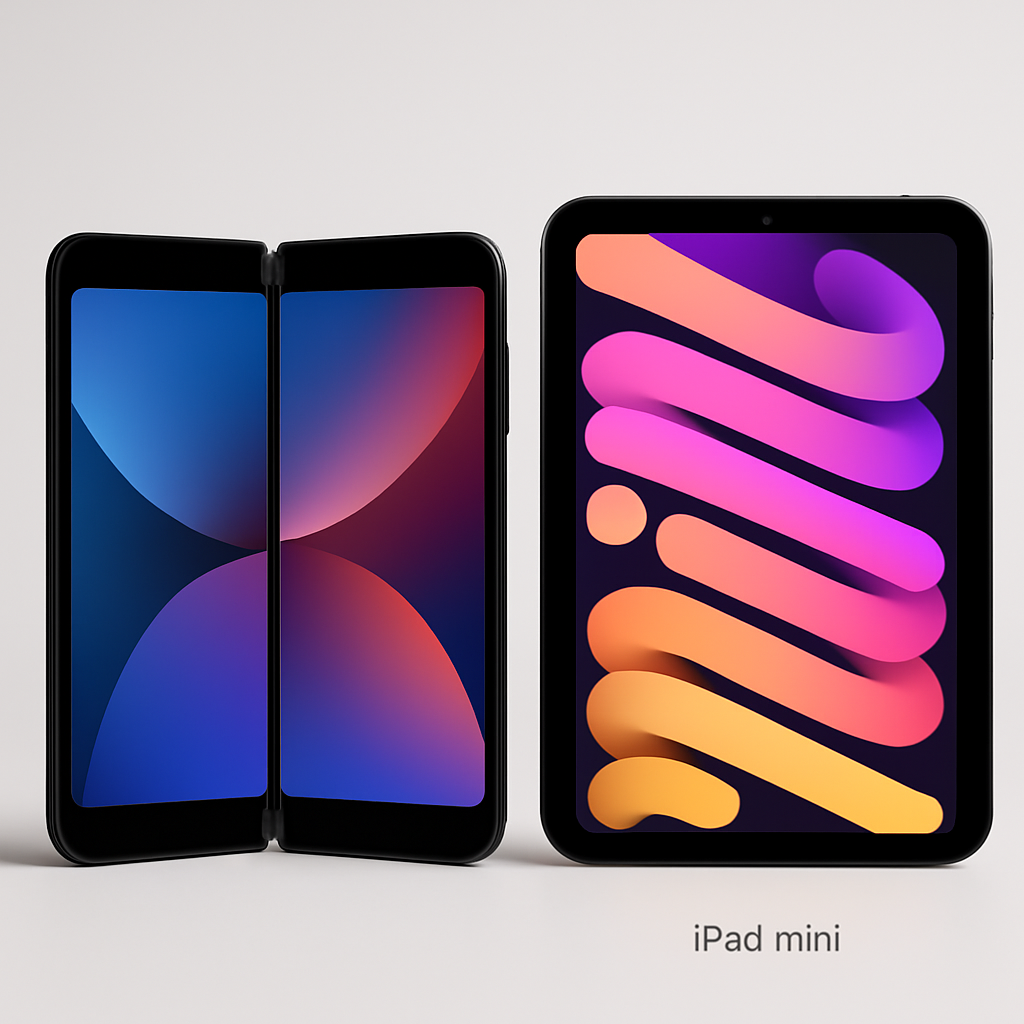
Federighi admitted there’s a particularly tricky overlap between the iPhone Duo and the iPad mini. Early use suggests that for many tasks—reading, detailed browsing, or long-form content—the iPhone Duo could replace what people currently use the iPad mini for. He pointed out that when sitting down to dive deeper into something that started on their phone, many users might simply flip open the Duo device and continue in a more comfortable format.
However, Federighi was quick to emphasize Apple’s approach in designing the Duo, especially in how the company adapted the iOS experience for it. He contrasted this with rival efforts, which he says often just stretch existing interfaces or try to force-fit previous designs into a new shape. In contrast, Apple developed the Duo’s software from the ground up with its unique form factor in mind.
What This Signals for Users
Federighi believes people will eventually settle into what they reach for—iPad or Duo—based on their habits. Someone with an iPad mini could find the Duo a more fitting tool for certain activities. For deeper immersion—reading long articles, consuming media, or interacting with detailed content—the Duo could step in as the go-to device. Yet, iPads with larger screens still offer space and versatility that Duo might not replicate flawlessly.
Regarding the user experience, the deliberate software overhaul signals Apple isn’t treating the Duo as just a stretched phone or a shrunken tablet—it’s banking on it carving out a space that blends attributes of both devices while maintaining distinct value. For instance, usability in portrait mode during content-heavy tasks is specially adapted to feel more natural on the Duo than on past form-factor hybrids.
The interview didn’t cover all technical specifics—battery life, pricing, or availability remain to be fully revealed—but the message is clear: the Duo is meant to complement, not cannibalize, Apple’s existing iPad offerings. Users who mainly use their iPads for light content consumption might find the Duo sufficient. Those relying on their iPads for creative work, larger displays, or multitasking likely won’t swap out their tablets anytime soon.
What to watch out for as Duo launches: how Apple positions it in marketing materials, how accessories cross-compatibility is handled, and whether future software features increasingly lean into Duo-style use cases. If done right, Duo could shift how people view the device spectrum across Apple’s line-up.
Analysis:The core tension here revolves around balance. Apple needs the Duo to feel like its own product, not just a bridge between an iPhone and an iPad. By designing software specifically for Duo’s form factor and talking openly about user behavior comparisons, Apple is making a case for a new category. How well Duo earns that distinction depends on whether consumers feel it’s indispensable in some tasks—or just another device sitting next to their phone and tablet. Keeping an eye on third-party app support and whether updates curve toward Duo-specific features will reveal whether it’s truly a new class or simply a design experiment.