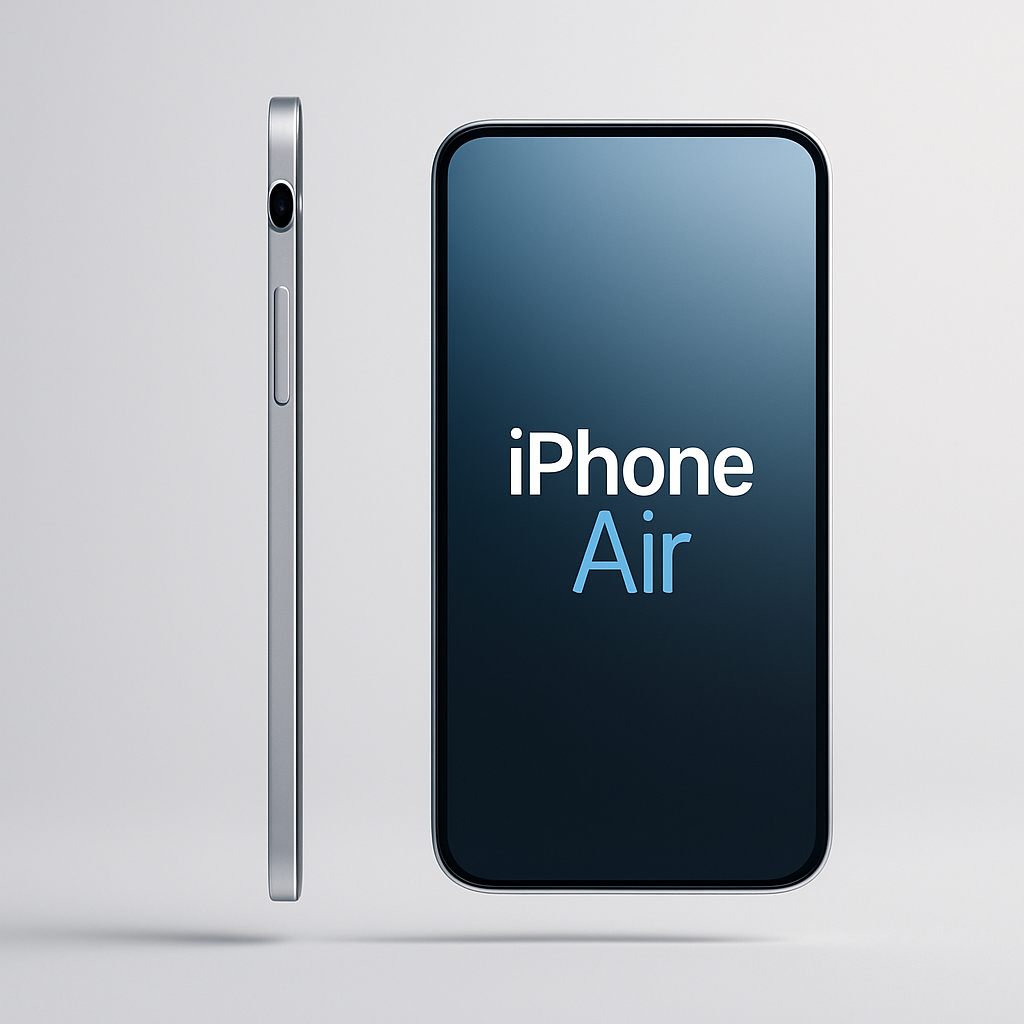
An iPhone without major flaws, yet burdened by trade-offs—this is the story one year in for Apple’s iPhone Air. Released around September 2025, the Air promised a new tier of device: ultra-thin, minimalist in features, and premium in price. Twelve months later, using it daily has exposed both its charm and its cost.
What It Gets Right
One of the iPhone Air’s strongest selling points is its design. It is the thinnest iPhone Apple has made, sacrificing none of the feel that suggests quality. The device is highly pocketable, extremely lightweight, and easily operated with one hand—something many newer phones struggle with. The 6.5-inch OLED display keeps things visually large enough without tipping into oversized territory.
Despite its slim build, Apple engineered accessories to help mitigate downsides—such as their own external battery pack. That solution speaks to the Air’s target: users who favor portability over maximal battery endurance, but still need enough juice through a full day.
The Trade-Offs You Live With
Battery life is the most noticeable compromise. With its smaller internal battery, the Air can’t match the longevity of Apple’s Pro models. Some users might squeak through a day with cautious use, while others will need external power to stay connected through more demanding tasks.
Camera options are limited: a single Wide lens only. That means skipping the Ultra Wide and Telephoto lenses available on the 17-series Pro phones. Macro photography is out, as are richer framing options. For those who care deeply about camera versatility, that’s a serious limitation.
The price remains the Air’s biggest sticking point. At $999, it undercuts the iPhone 17 Pro by only $100 but delivers fewer camera capabilities. Compared to the standard iPhone 17, which is cheaper, you lose out on the second camera and get nearly the same processor and performance. Early sales appear to reflect buyer hesitation—rumors suggest the model hasn’t sold well since launch.
Context & Comparison
Apple’s strategy with the Air seems to be carving out a middle ground—a device more affordable than a Pro but more premium than standard models. Yet in executing that strategy, it ended up closer to the Pro tier in price without many of the features fans expect from that category. The standard iPhone 17 threatens its value by offering two cameras and much of the same performance; the 17 Pro overshadows it with all the extra optics—and at only a modest price premium.
For users who prioritize slim design and portability above all else, the Air delivers. But in an era where camera versatility, battery life, and multi-sensor systems are major competitive fronts, the Air is less compelling for many others.
Final Verdict
After a full year of use, the iPhone Air holds up as a beautifully designed object. The aesthetic and ergonomic decisions make it unique in Apple’s lineup. Yet the compromises—limited lenses, shorter battery life, and awkward pricing—mean it doesn’t appeal universally.
Going forward, Apple faces a choice: either justify the Air’s premium by improving its core limitations, or risk being overshadowed by its own models. With rumors hinting that it hasn’t sold well, expect Apple to reassess what “Air” should mean—perhaps adding second cameras, improving battery, or reducing price. Watch the next update closely: either Apple doubles down on niche appeal, or redefines the Air to compete across a broader front.