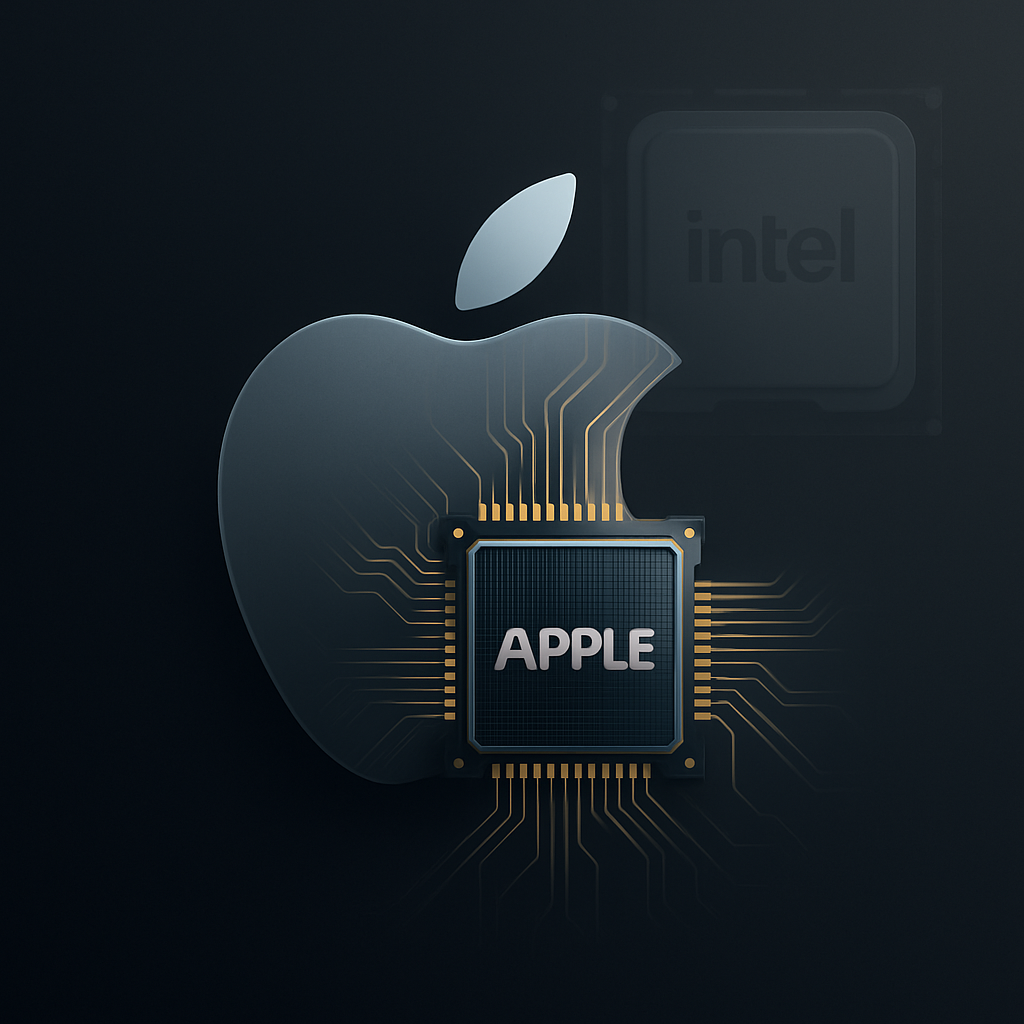
Apple has updated its policy to allow developers to remove support for Intel-based Macs for universal macOS apps distributed via the Mac App Store, as long as those apps require macOS 13 or later. This change marks a shift: previously, even “universal” apps designed for both Intel and Apple silicon Macs couldn’t drop compatibility with Intel hardware. Apple says the goal is to simplify development and reduce download and on-device sizes.
What’s changing (and what remains)
Under the new rule, developers whose universal apps designate macOS 13 as the minimum required version may officially stop supporting Intel Macs. Once support is dropped, updates will no longer reach those devices. However, Intel Mac users won’t be cut off entirely— they’ll still be able to use the last version of the app that is compatible with their system. Apple did not allow this kind of removal in the Mac App Store until now.
This change ties in with Apple’s operating system roadmap. The latest macOS version available for Intel Macs is macOS Tahoe. Its successor, Golden Gate, will only run on Macs with Apple silicon—starting with M1 chips and newer. As Golden Gate arrives, Intel Macs will no longer receive updates to apps that have dropped support under the new policy.
The fate of Rosetta 2
Apple is also beginning to phase out Rosetta 2, its translation layer that lets Intel-based apps run on Apple silicon Macs. Once macOS Golden Gate is released, most apps relying on Rosetta 2 will not launch. Apple will make narrow exceptions for a few older games that use Intel-based frameworks and are no longer being actively maintained. These legacy titles may still function in Golden Gate despite the broader restrictions.
Under the new policy, Intel Mac users still benefit from having access to the last version of any universal app that supported their hardware. That means they won’t lose access outright to apps—just to future updates and features delivered only to Apple silicon Macs when developers choose to drop Intel support.
Big picture: This move formalizes a transition phase Apple has long been working toward: from Intel architecture toward full Apple silicon dominance. Developers gain flexibility, app bundles may slim down, and future macOS features can lean more heavily on capabilities Apple silicon offers. For users on Intel Macs, the implications are fewer updates and growing app gaps over time.
Bring it all together: developers can now choose to stop supporting Intel machines for universal apps requiring macOS 13 or newer. macOS Tahoe is the final version that runs on Intel Macs, while Golden Gate is Apple silicon-only. Rosetta 2 will soon be redundant for most use cases. For developers, this simplifies the future; for long-time Intel users, a gradual wind-down is now official—what’s left to see is how quickly devs act. Would you like help assessing whether your favorite apps will follow suit?