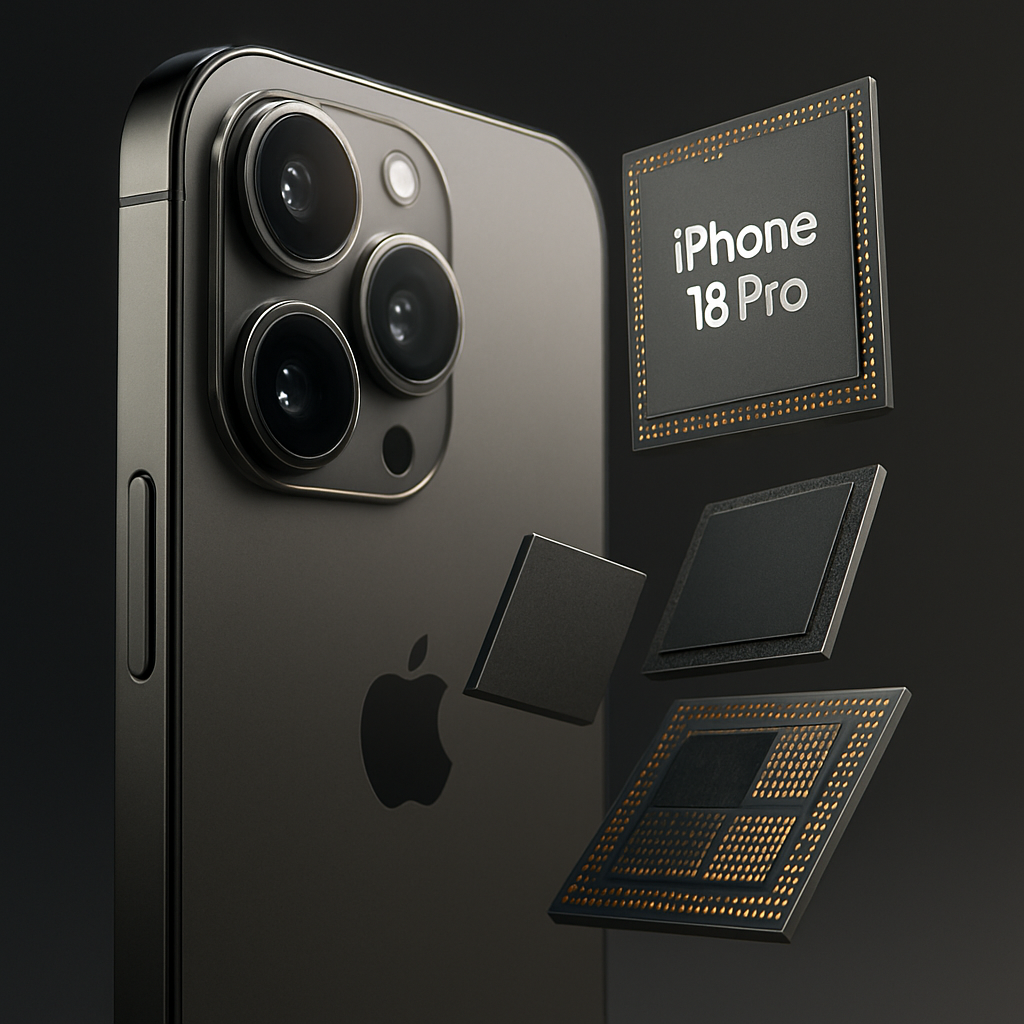
Memory modules inside the upcoming iPhone 18 Pro are expected to cost Apple nearly 400% more than those used in the previous year’s Pro model, according to a new report from TrendForce. The jump is largely felt in the 256 GB Pro variant, where the cost of memory in the third quarter of 2026 is approaching quadruple what Apple paid in the same period in 2025.
Why the Price Hike Isn’t Fully Passing to You
Despite the sharp increase, it’s unlikely that this inflation will translate dollar-for-dollar into higher prices for every iPhone customer. The report anticipates Apple will raise the iPhone 18 Pro’s retail price by roughly $100 compared to the iPhone 17 Pro, rather than matching the full cost spike. That said, with memory costs acting as a major driver of the overall bill of materials, Apple has limited levers to pull.
Apple has reportedly signaled that while it’s done everything feasible to delay price increases across most of its product lines, hardware inflation is becoming unavoidable. The company has also been leaning on its growing Services revenue—things like Apple Music, iCloud, and subscriptions—to help cushion the margin pressure.
Adding Layers: Ultra Model and Consumer Resistance
The context grows more complex with Apple preparing to launch the iPhone Ultra, its first folding model. For this top-tier device—especially in its highest-end configurations—prices are expected to start around $2,299, with some versions potentially exceeding $3,000. These moves come at a time of weaker macroeconomic conditions, and rising prices risk pushing buyers to slow down their upgrade cycles.
TrendForce warns that substantial price hikes could erode demand even among loyal fans. As manufacturing and component costs rise, Apple faces a balancing act: protect profit margins without breaking too much trust with consumers.
What this means going forward is that higher-tier iPhones might carry steeper prices than we’ve seen. The $100 bump for Pro models may be just the start, especially if component inflation continues or spreads to other parts of the supply chain.
Analytical note: The dramatic increase in memory costs for the iPhone 18 Pro highlights how component inflation is reshaping pricing strategies across the tech industry. Apple’s decision to limit price rises, use its Services revenue, and selectively price premium models like the Ultra suggests a defensive approach to retaining customer loyalty while maintaining profitability. What’s worth watching now: how much cost pressures will impact non-Pro models, how competitors respond, and whether consumers accept steeper prices across the board.