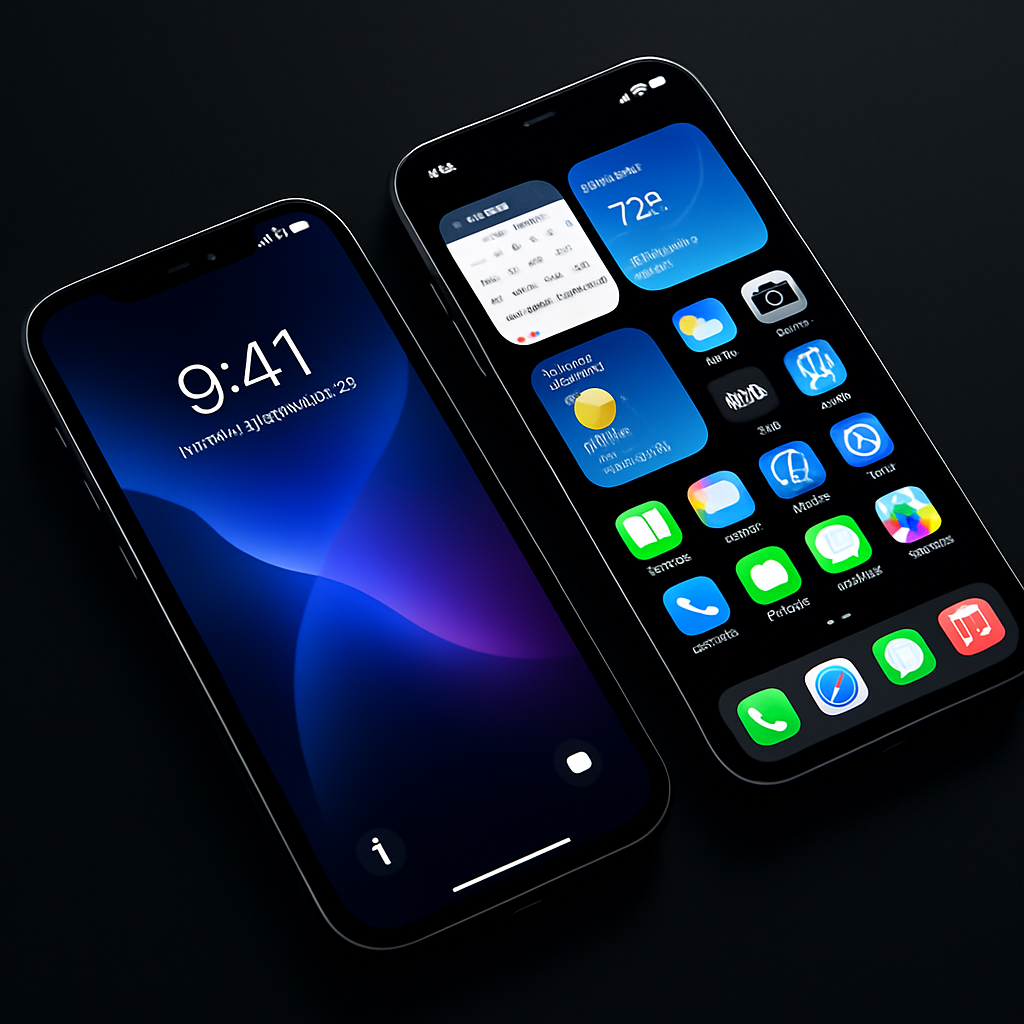
Apple has quietly released iOS 27.1 for the iPhone Duo, leaving all other models waiting while anticipating the broader rollout of iOS 27.2. The update isn’t visible via Settings > General > Software Update unless you’re using the Duo; non-Duo devices will instead see iOS 27.0.1 as the newest version. This divergence marks a rare move where a mid-point update serves only a single device line.
What iOS 27.2 Brings — and the iPhone Duo’s Special Case
iOS 27.2, currently wrapping up its beta phase, is scheduled to become available to all compatible iPhones next week. The feature set includes suggested actions in Messages, a redesigned Apple Music icon, user profiles for Apple TV, an overhauled “Up Next” queue in Podcasts, dual-capture support for FaceTime group calls, and expanded language options for Siri. These are the updates non-Duo users can expect once 27.2 drops.
By contrast, iOS 27.1 appears to be a Duo-exclusive release. Because the iPhone Duo introduces several hardware changes and unique functionalities, delivering a bespoke software version helps Apple manage complexities specific to that model without delaying features intended for other devices. Shipping iOS 27.1 only to the Duo also let Apple withhold certain dual-screen or foldable-related features until after the Duo’s reveal.
Why Apple Took This Route
The launch of a device like the iPhone Duo—with novel elements that deviate from standard form factors—often forces Apple into special software handling. Engineering tasks such as driver optimizations, hinge behavior, multi-screen coordination, or component calibration might have required Apple to isolate the software build. Doing so reduces risk, avoids delays for users on legacy products, and keeps sensitive technical details under wraps until polished.
For iPhone users who don’t have the Duo, there’s no need to worry that they overlooked iOS 27.1—it’s simply not meant for them. In short: the Duo gets 27.1 now; everyone else gets 27.2 (with its new features) when it officially lands next week.
Why this matters: Apple’s device-exclusive updates are rare. When they happen, they reveal the challenges of scaling new hardware across decades of devices. This also underscores the Duo’s significance—it’s not just another iPhone; it requires its own software base. As users, keep eye out when updating: version numbers may not tell the full story unless you’re aware which iPhone you have.