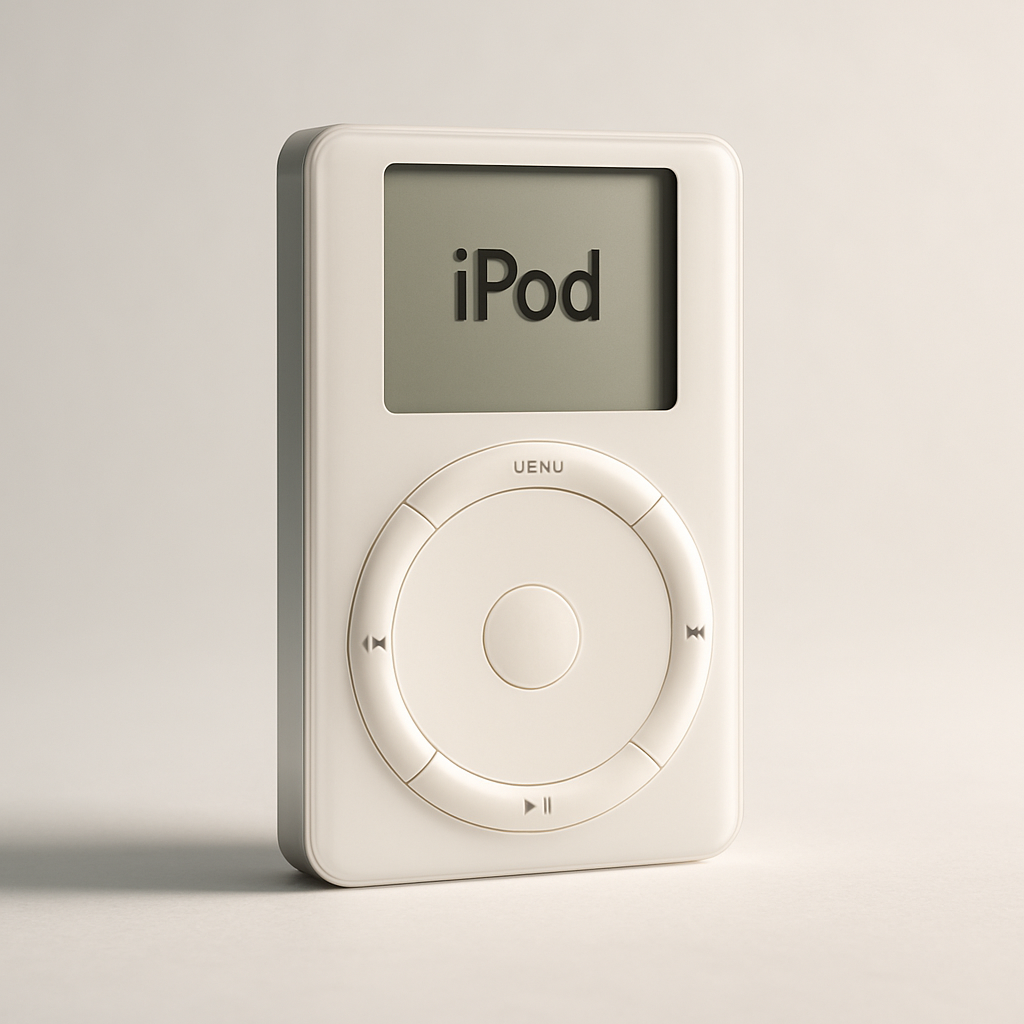
On October 23, 2001, Apple presented a small device that few realized would reshape music, technology, and even culture at large. The iPod, unveiled by Steve Jobs on that date and released in stores on November 10 of the same year, arrived as something unlike any MP3 player before. It promised portability, simplicity, and a bold departure from how people consumed music. Today, 25 years on, the iPod feels like both a relic and a rite of passage for millions. It changed everything, then quietly disappeared.
From Mac accessory to generational icon
In 2001, digital music was exploding yet lacked a clear frontrunner. Existing MP3 players were flawed—bulky, slow, unintuitive. Apple entered the scene with iTunes and other software, but recognized that the devices people were using didn’t match their vision. The iPod was their answer: something that could hold 1,000 songs in your pocket, move music fast (via FireWire), and serve users with clean UI rather than overloaded features. The first iPod included a 5GB hard drive, a 160×128 backlit screen, compatibility with formats like MP3, AIFF, WAV, and a $399 price tag. It took under ten minutes to load CD’s worth of music—ten times faster than many USB-based rivals.
Evolution, expansion, and an eventual exit
Apple didn’t stop with the original. Over its lifespan, around 28 variants of the iPod appeared—from the Classic to the Shuffle, Nano to Touch. Some were designed for minimalism (Shuffle), others for heftier storage or photo viewing or video playback. Most achieved success; even the Shuffle, despite criticism, lasted through four generations.
But as Apple broadened its portfolio, it also cannibalized its own creation. In 2007, the iPhone launched—with a touch interface, media features, and an evolution of what the iPod Touch had begun. Slowly, the iPhone consumed the roles of many iPods. By May 2022, after years of decline, the last iPod was discontinued quietly, ending an era.
Legacy, nostalgia, and clones
Although production has ceased, the influence of the iPod lingers. It gave rise to podcasting (the name itself inspired by “pod”), shifted how people interact with music, and positioned Apple not just as a computer company but a consumer electronics juggernaut. Even today, people seek out classic models—batteries replaced, labels scratched off—more for memory than performance.
Recent projects underscore this affection: in 2025, a designer released an “iFidget,” mimicking the scroll-wheel and look but lacking any music capability. In October 2026, a startup introduced the Sudo media player, borrowing the appearance and user association with the iPod. The nostalgia is real—and companies are leveraging it.
The iPod’s story is one of explosive entrance, incredible influence, and graceful disappearance. It didn’t just port over songs—it ported culture into pockets. Its features faded, its price tags disappeared, yet its impact echoes across wearable audio, streaming, and even how devices are “smart” without needing screens.
Why it matters: In a tech industry driven by shiny new announcements, the iPod reminds us that success often means simplicity, timing, and a deep understanding of user needs. It pioneered models later refined by the iPhone, iPad, and beyond. As we look forward, we’ll watch who lives its legacy—products that don’t just iterate, but transform how we live.