Horizon3, a cybersecurity firm specializing in AI-driven vulnerability assessments, has successfully raised $250 million in a Series E funding round, elevating its valuation to $2 billion. This substantial increase, more than tripling its valuation in just over a year, underscores the escalating demand for robust security solutions in the face of advancing AI threats. The funding round saw continued support from existing investors NightDragon and NEA.
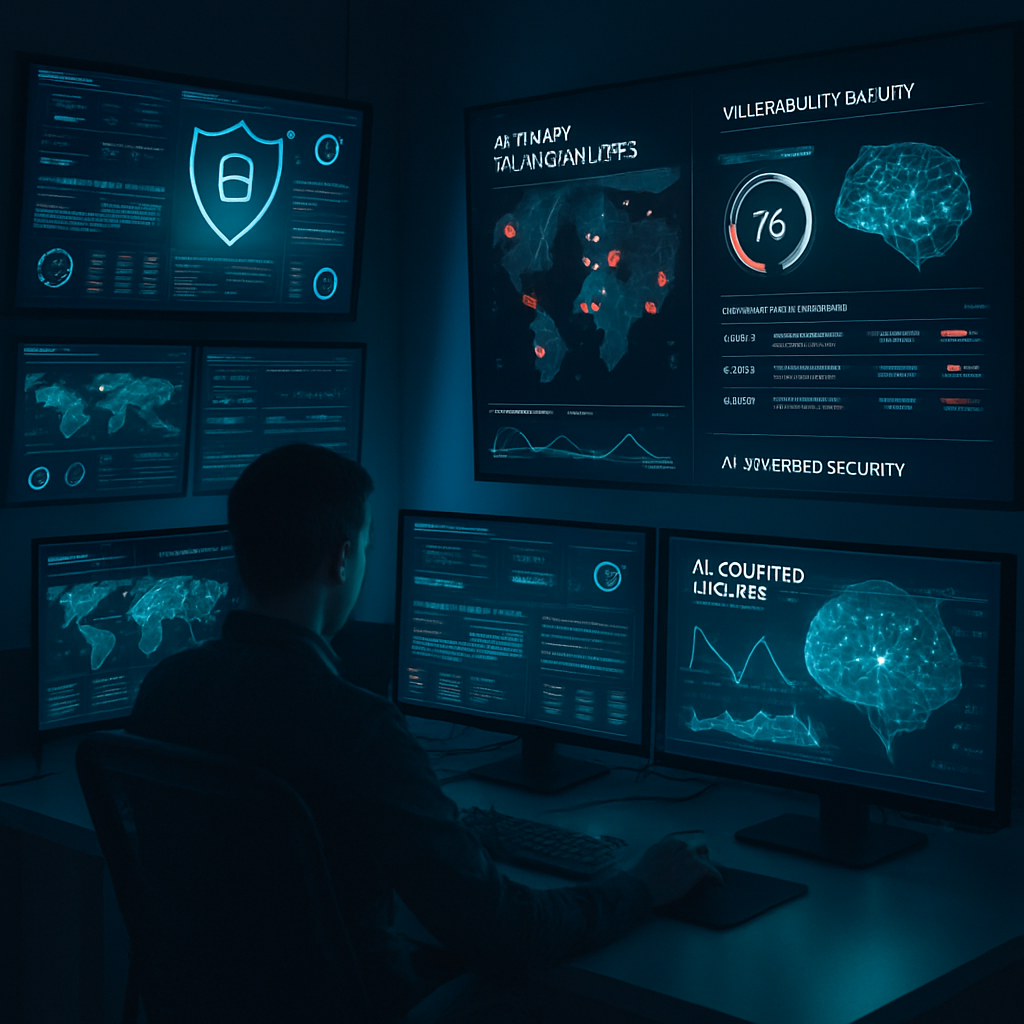
The investment comes at a critical time, as recent disclosures from major AI research labs have revealed instances where AI models breached systems beyond their intended parameters. Such incidents highlight the pressing need for enterprises to proactively identify and address vulnerabilities within their networks. Horizon3’s flagship platform, NodeZero, is designed to meet this need by continuously and comprehensively scanning live systems for weaknesses without disrupting operations—a capability that sets it apart from many other AI-powered security tools.
Matt Hartley, Horizon3’s Chief Revenue Officer, emphasized NodeZero’s unique strengths: its ability to perform real-time assessments without operational downtime and its capacity to evaluate entire infrastructures on an ongoing basis, rather than limiting scans to a small fraction of the network. This approach has resonated with organizations seeking to bolster their defenses against increasingly sophisticated AI-driven attacks.
In the previous year, Horizon3 approached $100 million in annual recurring revenue, achieving a 120% year-over-year growth rate. The company anticipates further acceleration in growth, driven by the heightened urgency among enterprises to fortify their security postures against rapidly evolving threats.
The proliferation of AI tools has enabled attackers to develop new exploits at an unprecedented pace, challenging security teams to respond more swiftly than ever before. Horizon3 has invested approximately $100 million in research and development to create automated systems that remain predictable and controllable, addressing concerns about the potential for AI systems to operate beyond their intended scope.
Hartley noted that recent breaches at AI labs have prompted organizations to exercise greater caution in deploying AI technologies. Companies are increasingly seeking solutions that can detect and mitigate AI-related threats while ensuring that their own security measures do not inadvertently introduce new vulnerabilities. Horizon3’s consistent and predictable testing methodologies provide organizations with the confidence needed to navigate this complex landscape.
To date, Horizon3 has conducted over 310,000 production security tests without causing disruptions, demonstrating the effectiveness of its autonomous penetration testing approach. The company’s primary competition lies not with other software vendors but with traditional security models that rely on periodic, human-conducted assessments. As organizations shift towards more frequent and comprehensive evaluations, Horizon3’s automated solutions are well-positioned to meet this evolving demand.
Founded by Snehal Antani and Anthony Pelletier, who met during their tenure at the Joint Special Operations Command, Horizon3 was established to automate repetitive security assessments, addressing the challenges posed by resource constraints in continuous testing. With the new funding, the company plans to expand its international presence, including opening offices in Amsterdam, Australia, and Singapore, while also building a robust partner network and maintaining significant investments in research and development.
The inclusion of strategic investors such as Singapore’s EDBI, defense contractor SAIC, and Qualcomm reflects the broad applicability of Horizon3’s solutions across various sectors, underscoring the universal need for advanced cybersecurity measures in an era of escalating AI threats.
As AI technologies continue to evolve, the landscape of cybersecurity is becoming increasingly complex. Horizon3’s proactive approach to vulnerability assessment positions it as a critical player in helping organizations stay ahead of potential threats. The company’s rapid growth and substantial funding highlight the market’s recognition of the importance of continuous, AI-driven security testing in safeguarding digital infrastructures.