Harbinger, the Los Angeles-based electric truck startup, has secured a huge $240 million Series D funding round as it broadens its scope beyond EVs into battery storage and defense applications. This milestone adds to the $160 million it raised just a year ago and brings its total funding to over $650 million.
What’s new
This latest investment was jointly led by Tiger Global, Capricorn’s technology impact fund, and Ridgeline, a firm focused on the defense sector. FedEx renewed its commitment, joining the funding with repeat backing from Maniv, Greycroft, and Leitmotif—a VC supported by Volkswagen. Beyond financing, FedEx is deepening its involvement: its senior VP of safety and transportation, Paul Melander, has taken a seat on Harbinger’s board, and the shipping giant has placed an order for 2,000 trucks valued at more than $300 million.
A broader scope
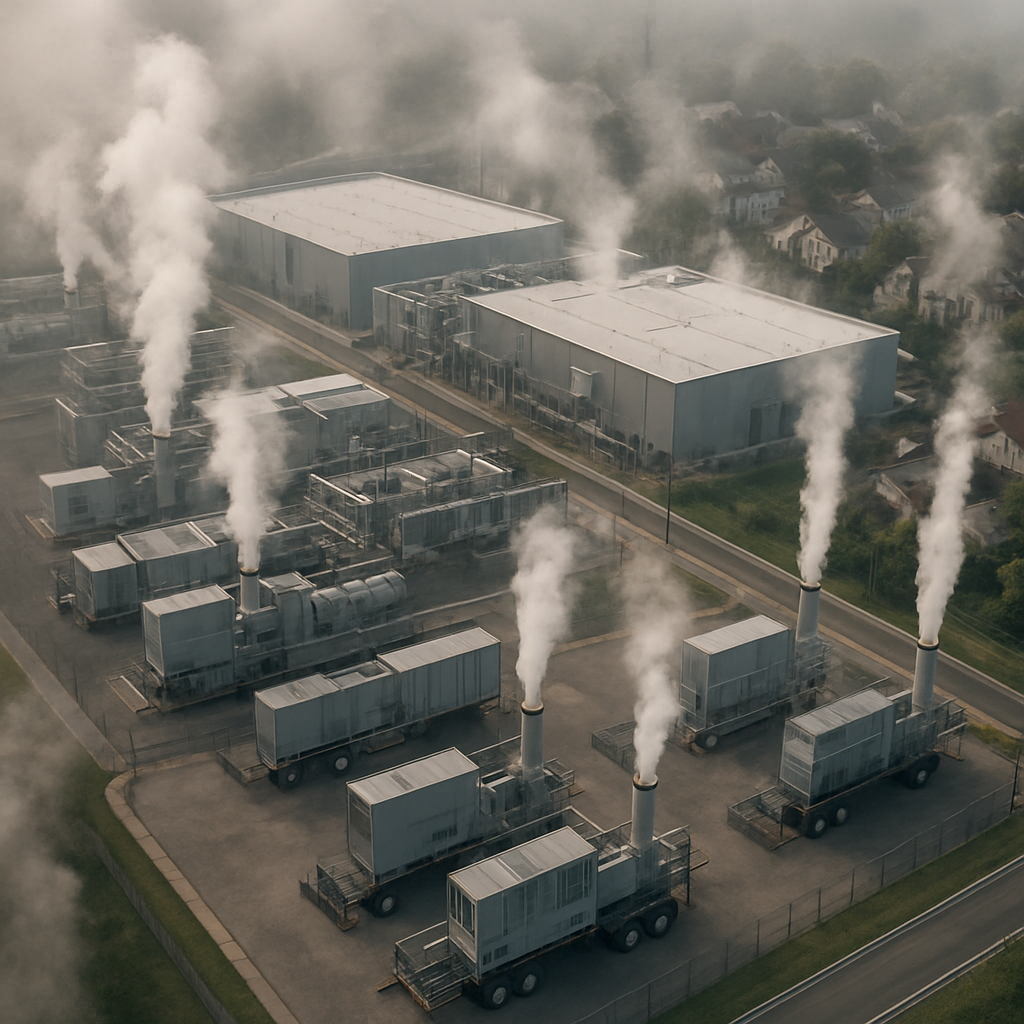
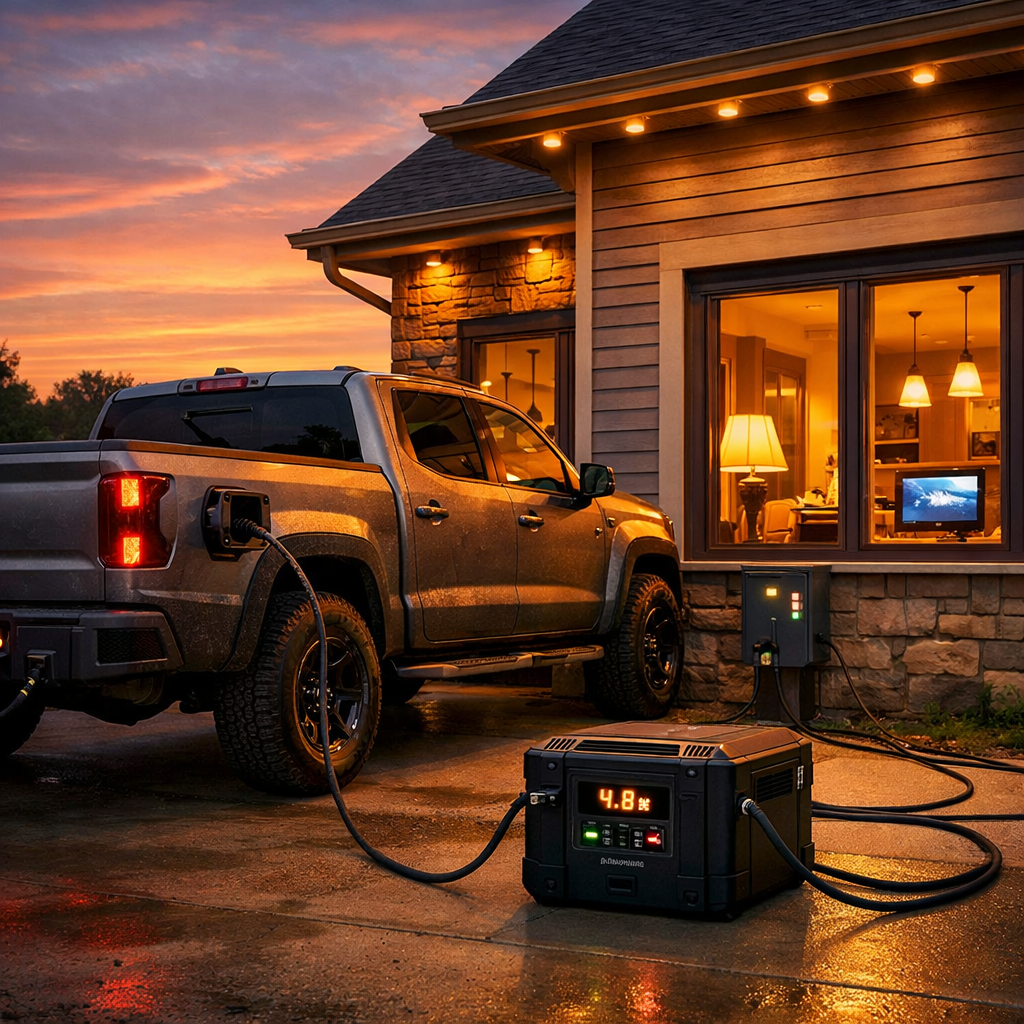
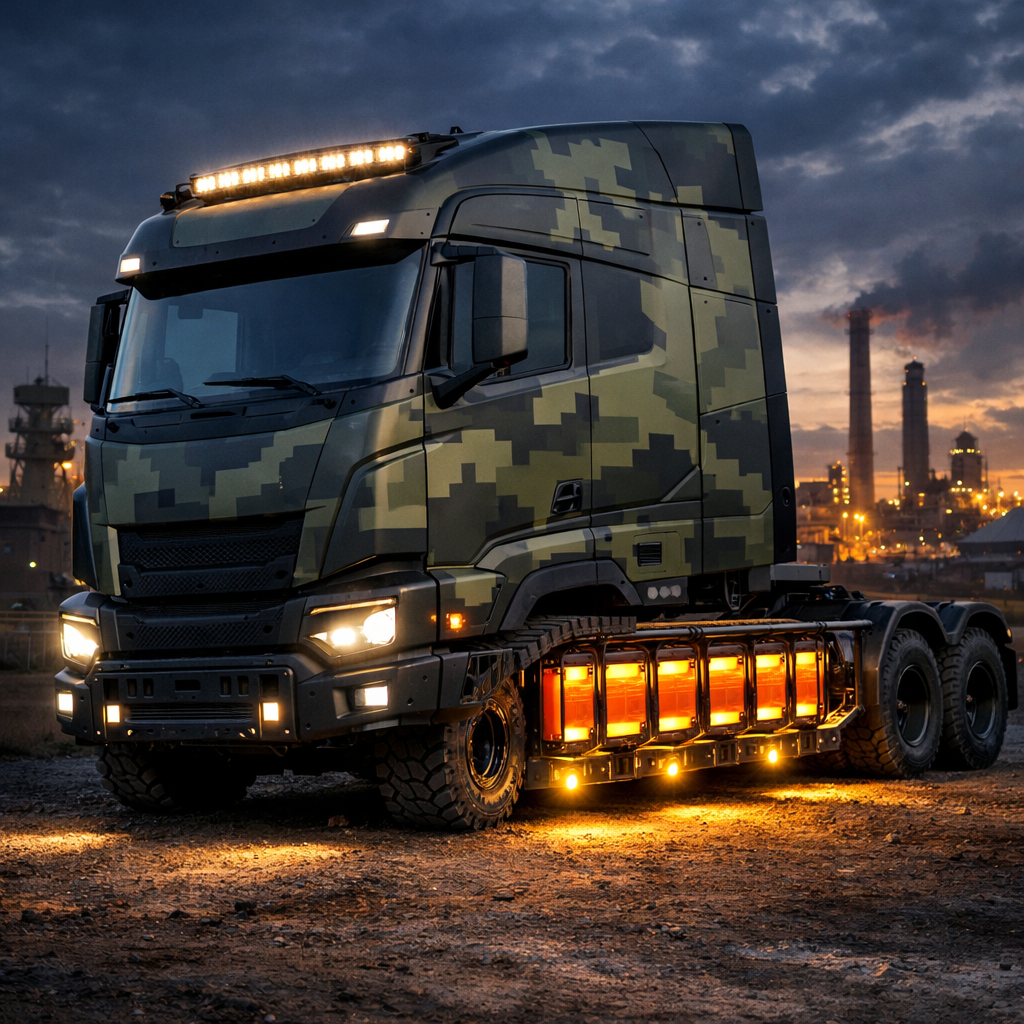
Founded in 2022 by ex-employees of EV startup Canoo and battery innovator QuantumScape, Harbinger began with a mission to build an electric truck chassis. Since then it has expanded aggressively: acquiring autonomy startup Phantom AI, developing hybrid emergency vehicles, and unveiling a driverless hybrid-electric platform tailored for military purposes. The move into defense and battery storage signals Harbinger’s ambition to be more than just a trucking company—it aims to become a versatile player across multiple segments related to clean energy and autonomy.
Why it matters
The defense sector has been drawing increasing interest from clean-tech EV companies as governments worldwide push for electrification and autonomy in military fleets. Harbinger’s new platform for the military underlines a trend where dual-use technologies—those useful in both civilian and defense contexts—can unlock new revenue streams and scale. Meanwhile, FedEx’s large order is a strong commercial validation, showing there’s demand not just for prototypes but for full fleets.
Analytically, this Series D doesn’t just deliver capital—it shifts Harbinger’s positioning. Its strategy to span electric trucks, battery storage, autonomous driving, and defense turns it into a hybrid business model straddling clean energy, AI/autonomy, and national security. The risks are higher—defense contracts are slow and regulations tougher—but so are the potential rewards. What to watch next: regulatory approvals, first deliveries of defense-spec products, and whether Harbinger’s product execution keeps pace with its ambitions.