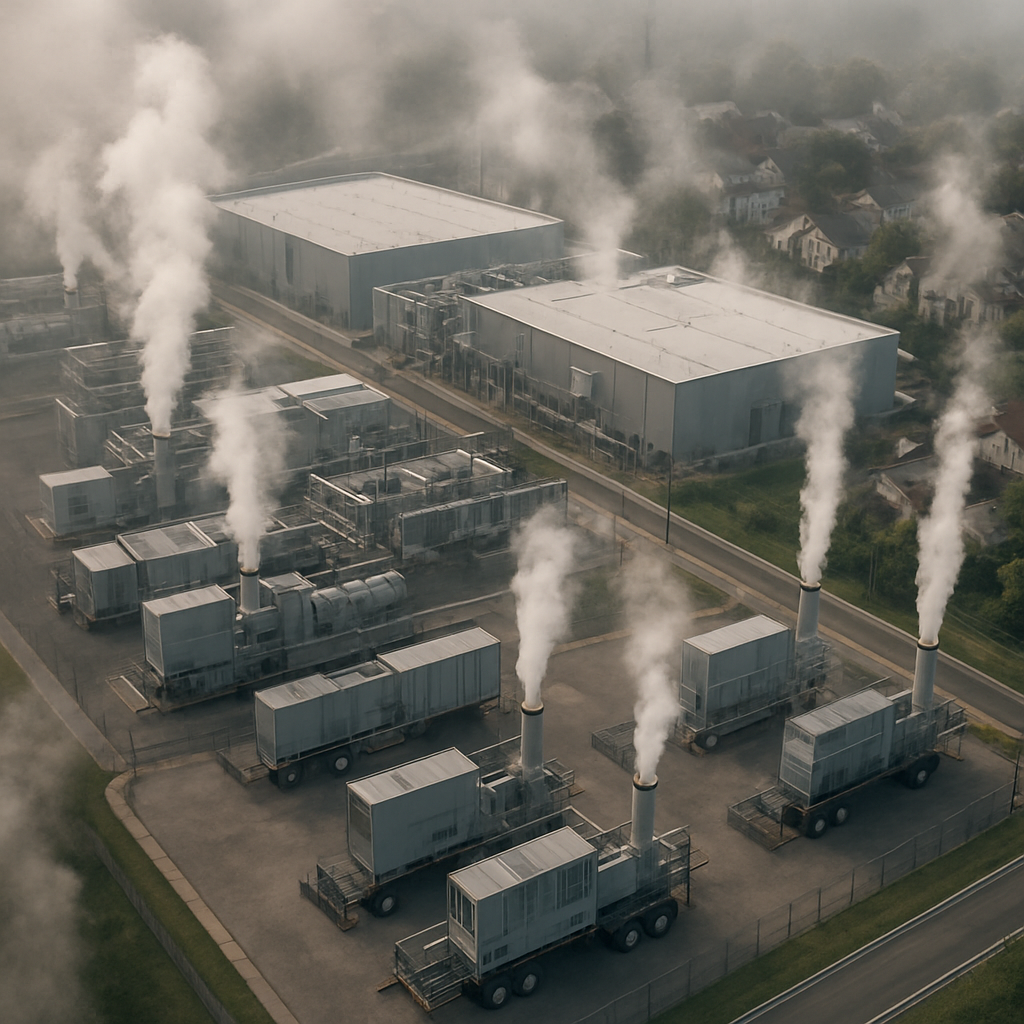
SpaceX has announced plans to remove the unpermitted gas turbines currently powering xAI’s Colossus data centers near Memphis, Tennessee, as it transitions to a permanent 1.2-gigawatt natural gas power plant. However, the company stated that the complete removal of these turbines will not occur until July 2027.
Presently, SpaceX operates 69 gas turbines to supply energy to the Colossus facilities, many of which have been in operation for several months. This practice has drawn legal challenges from organizations such as the NAACP and the Southern Environmental Law Center, which have filed lawsuits against xAI over the use of these unpermitted turbines. SpaceX acquired xAI in February 2026.
In its recent IPO filing, SpaceX disclosed plans to invest $2.8 billion in gas turbines for its data centers over the next three years. The company contends that it is permitted to operate the existing turbines without formal permits because they remain mounted on the trailers they were delivered on. However, federal regulations stipulate that turbines of this size and usage require proper permits, regardless of their mounting.
The turbines are situated just south of Memphis, in Mississippi, an area already burdened with significant pollution levels. The operation of these turbines has the potential to emit over 2,000 tons of nitrogen oxides (NOx) annually, contributing to smog formation and posing health risks to local communities.
In a recent development, the Department of Justice sided with SpaceX in the NAACP’s lawsuit, asserting that the unpermitted turbines are a matter of national, economic, and energy security.
The forthcoming power plant will consist of 41 gas turbines, with capacities ranging from 16.48 megawatts to 50 megawatts, as indicated by permit documents issued by the state of Mississippi. These turbines appear to differ from those currently in use, though specific models of the existing 69 turbines have not been verified.
Earlier this year, Elon Musk acquired APR Energy, a company specializing in temporary natural gas power solutions. The turbines in APR Energy’s fleet also seem to differ from those specified in the permits for the new permanent power plant, suggesting that the newly acquired turbines may be intended for a separate, undisclosed project.
The delay in removing the unpermitted turbines raises concerns about ongoing environmental impacts and regulatory compliance. As SpaceX progresses with its plans for a permanent power solution, it will be crucial to monitor how the company addresses these issues and engages with affected communities.