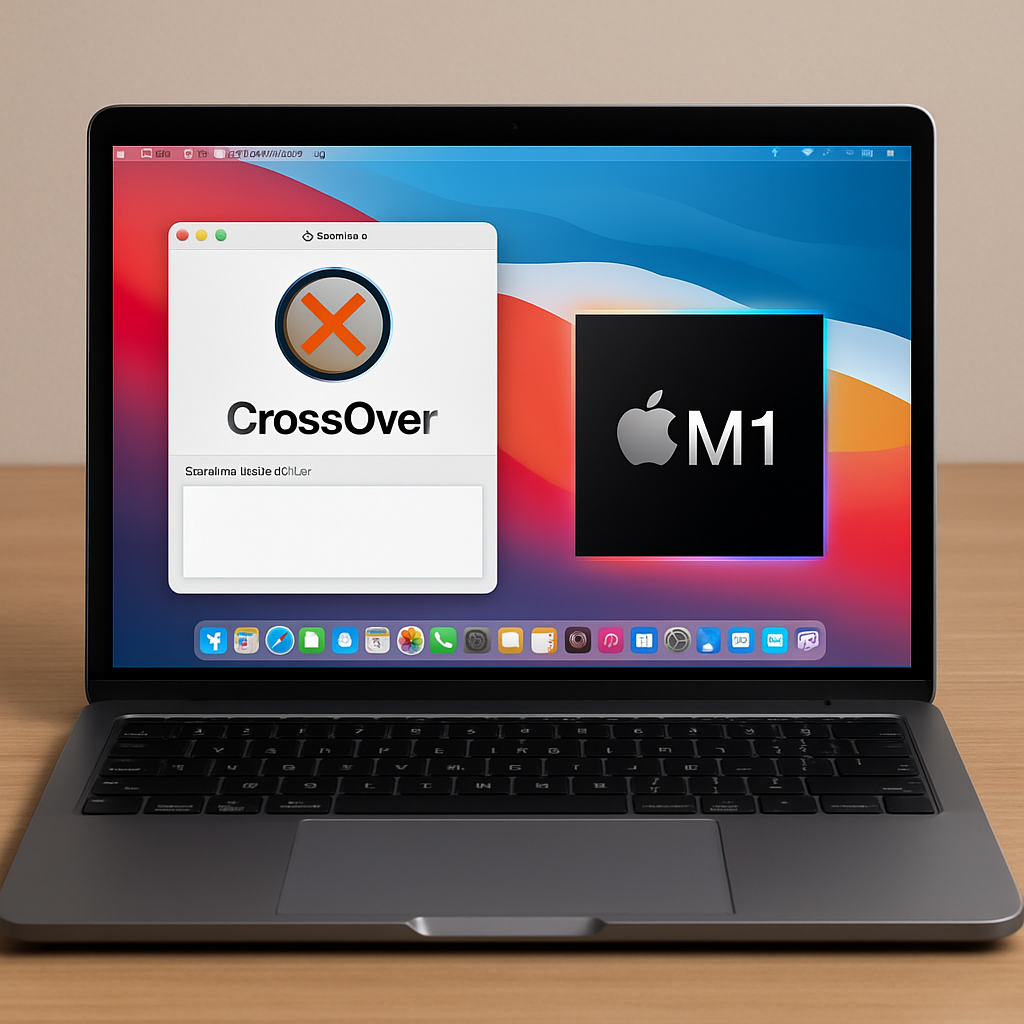
CodeWeavers, the developer behind CrossOver, has initiated testing for a native Apple Silicon version of its software, marking a significant step as Apple’s Rosetta 2 translation layer approaches its end of support.
CrossOver enables macOS users to run Windows applications without the need for a Windows operating system. Initially designed for Intel-based Macs, CrossOver has relied on Rosetta 2 to function on Apple Silicon Macs. Rosetta 2, introduced in 2020, allows Intel-based applications to run on Apple’s ARM-based processors by translating x86 instructions to ARM architecture.
In June 2025, Apple announced that macOS 27 would be the last version to fully support Rosetta 2, urging developers to transition their applications to run natively on Apple Silicon by 2027. This move is part of Apple’s broader strategy to phase out Intel support and optimize performance on its custom silicon.
Responding to this timeline, CodeWeavers announced in June 2026 that CrossOver 27 would be limited to Apple Silicon Macs, dropping support for Intel-based systems. The company has now released an early test version of the Apple Silicon-native CrossOver, allowing users to experience improved performance and compatibility without relying on Rosetta 2.
As the transition deadline approaches, developers are under increasing pressure to update their applications. Major software providers like Microsoft have already released Apple Silicon-native versions of their applications, such as Visual Studio Code, to ensure optimal performance on the new hardware.
The shift to native Apple Silicon applications is crucial for maintaining software compatibility and performance. Users are encouraged to monitor their essential applications and seek updates or alternatives that support Apple Silicon natively. This proactive approach will help avoid disruptions as Apple phases out Rosetta 2 support in future macOS releases.