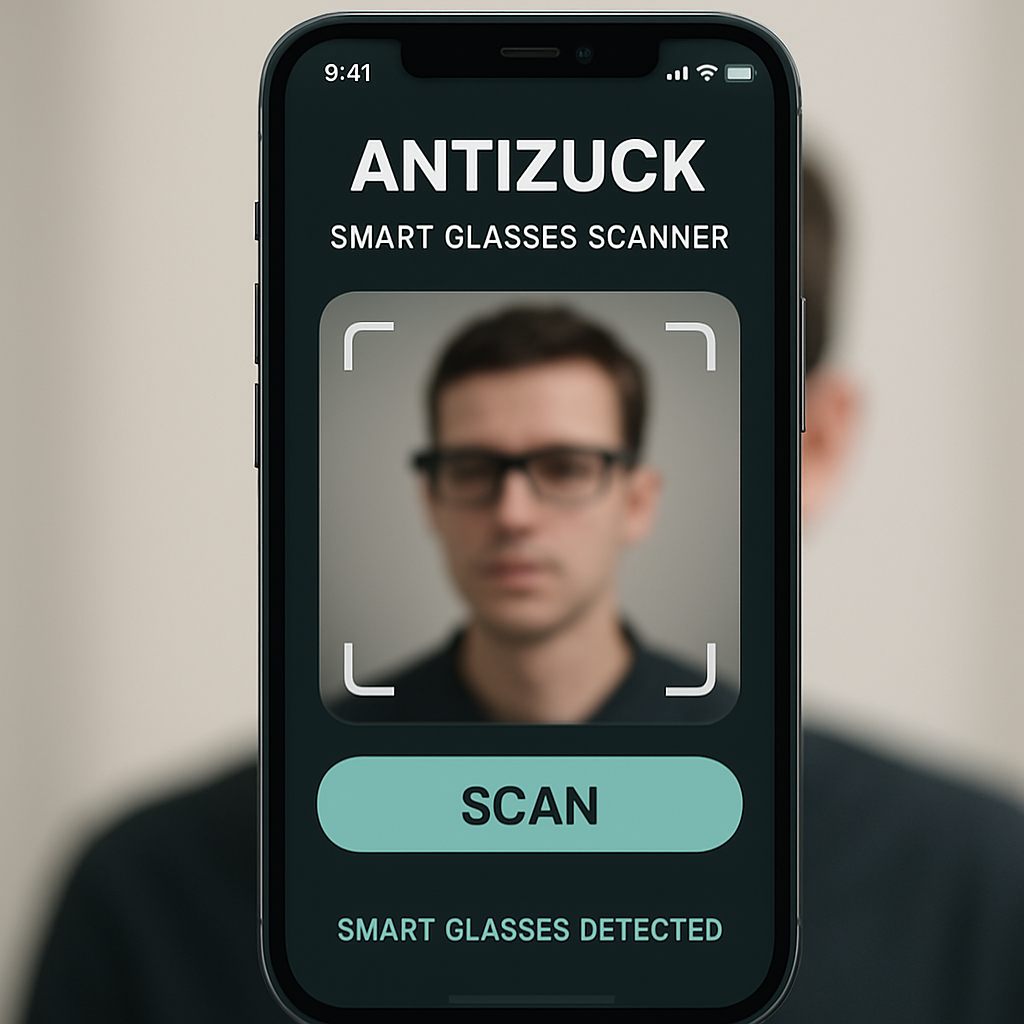
In a notable development, the iOS application ‘Antizuck Smart Glasses Scanner’ has surged to the third position on the U.S. App Store’s paid charts. Priced at $3, this app claims to detect and alert users when Meta’s AI-powered smart glasses are in proximity.
The app’s rapid ascent underscores growing public unease regarding privacy implications associated with wearable technology, particularly devices equipped with cameras and AI capabilities. While the effectiveness of ‘Antizuck’ in accurately identifying such devices remains unverified, its popularity reflects a significant consumer concern.
Historically, smart glasses have been distinguishable by design, making them relatively easy to spot without technological assistance. However, the emergence of detection apps like ‘Antizuck’ suggests a shift in public sentiment, emphasizing a desire for proactive privacy measures.
As tech giants, including Apple, explore the development of their own smart eyewear, the reception of ‘Antizuck’ serves as a pertinent indicator of potential market challenges. Companies venturing into this space must address and alleviate privacy concerns to ensure consumer acceptance and trust.