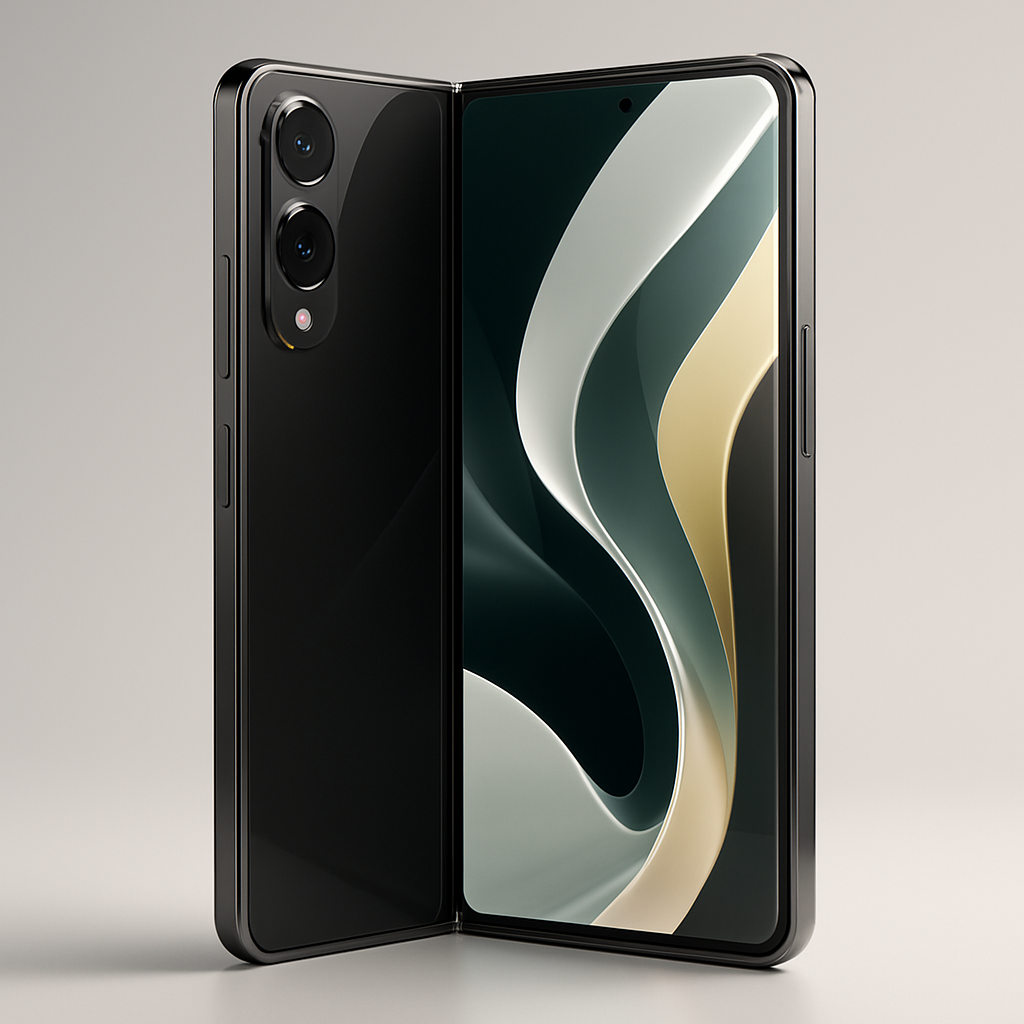
Google’s latest foldable smartphone, the Pixel 11 Pro Fold, enters a competitive market where rivals like Samsung’s Galaxy Z Fold 8 series and Motorola’s Razr Fold have set high standards. After a week of hands-on experience, the device shows both promising features and areas needing improvement.
On the positive side, the Pixel 11 Pro Fold introduces ‘App Handles,’ enhancing multitasking capabilities—a significant evolution for foldable devices. The software experience remains a strong point, offering a seamless and intuitive interface. Additionally, the inclusion of Qi2 wireless charging eliminates the need for external accessories, streamlining the user experience. Google’s durability claims hold up well, with the ceramic display resisting scuffs and scratches. The Tensor G6 processor also marks a notable upgrade, effectively managing heat even under high temperatures.
However, the device faces challenges in hardware design. Compared to competitors, the Pixel 11 Pro Fold feels bulkier and less refined. The uneven thickness between the two halves of the device is noticeable and unconventional in the foldable market. Battery life is another significant concern; the 4,700 mAh battery struggles to last a full day, falling short of expectations for modern foldables.
In summary, while the Pixel 11 Pro Fold introduces innovative features and maintains Google’s software excellence, it lags in hardware refinement and battery performance. As the foldable market evolves, addressing these shortcomings will be crucial for Google to compete effectively.