Google’s ‘Googlebook’ Laptops: A Solution in Search of a Problem?
In the rapidly evolving landscape of personal computing, Google’s recent unveiling of the ‘Googlebook’ laptop series has sparked a mix of curiosity and skepticism. Positioned as a fusion of Android and ChromeOS, these devices aim to redefine the laptop experience by integrating advanced AI capabilities through Google’s Gemini Intelligence. However, a closer examination reveals a lack of compelling reasons for their existence, raising questions about their potential impact and necessity in the current market.
The Genesis of Googlebook
During The Android Show, Google introduced the ‘Googlebook’ as a new category of laptops that amalgamate the strengths of Android and ChromeOS. Central to this initiative is Gemini Intelligence, designed to offer proactive assistance tailored to user needs. One of the standout features is the Magic Pointer, which allows users to interact with on-screen content through intuitive gestures, facilitating tasks like setting up meetings or visualizing images together. Additionally, the Create My Widget feature enables users to customize their desktop with personalized information snippets.
A Closer Look at the Features
While these features showcase innovative uses of AI, they don’t necessarily justify the creation of an entirely new laptop category. The Magic Pointer, for instance, is slated to be integrated into the Chrome browser, making it accessible without the need for new hardware. Similarly, the Create My Widget functionality is also being introduced to Android phones, further diminishing the uniqueness of the Googlebook. Other features, such as app mirroring and quick access to files from Android phones, have been part of ChromeOS for years, offering little in terms of groundbreaking innovation.
The Hardware Proposition
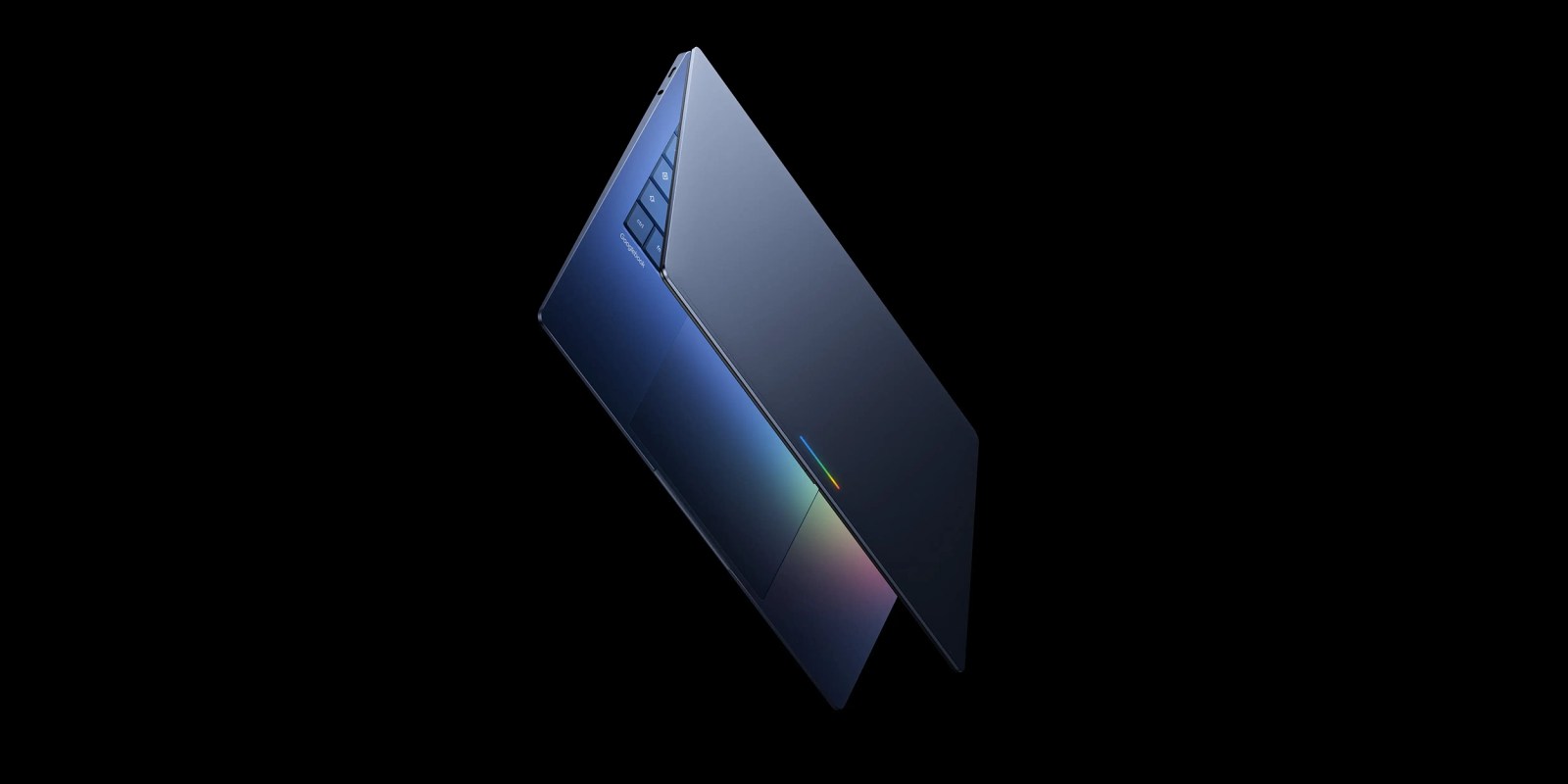
Google’s announcement also hinted at premium hardware and a distinctive Glow Bar as signature elements of the Googlebook. However, without concrete details or demonstrations, these aspects remain abstract concepts rather than compelling selling points. The lack of substantial hardware innovation further fuels skepticism about the necessity of these devices.
Market Relevance and Timing
In 2026, consumers are equipped with powerful smartphones capable of handling a wide array of tasks, including AI-driven applications. Laptops are typically sought for tasks that require more robust processing power, such as advanced video editing or complex data analysis. For Googlebook to carve out a niche, it would need to offer capabilities that significantly surpass those of existing devices. However, the current presentation suggests a repackaging of existing features rather than a revolutionary leap forward.
The Future of Chromebooks
The introduction of Googlebook also raises questions about the future of Chromebooks. Google has stated its commitment to supporting existing Chromebooks, with plans to continue providing updates and management tools. Some Chromebooks may even be eligible to transition to the new Googlebook experience. However, this transition plan lacks clarity, leaving current Chromebook users uncertain about the longevity and relevance of their devices.
Conclusion
As it stands, the Googlebook appears to be a solution in search of a problem. The features highlighted thus far do not offer a compelling reason for consumers to invest in a new category of laptops, especially when similar functionalities are available through existing devices and platforms. For Googlebook to succeed, it must present clear, tangible benefits that address unmet needs in the market. Until then, the excitement surrounding these devices remains tempered by skepticism and unanswered questions.