Google’s 3D Emoji Redesign in Android 17: A Closer Look at the Upcoming Changes
Google is set to revolutionize digital communication with the introduction of 3D emoji in its upcoming Android 17 release. This significant redesign aims to add depth and realism to the emoji library, enhancing user expression across Google Pixel devices and other Google platforms.
The transition to 3D emoji represents a departure from Google’s previous 2D designs, moving towards a more tactile and lifelike aesthetic. This change aligns Google’s emoji with those found on other major platforms, such as Apple’s iOS and Samsung’s One UI, potentially facilitating more consistent cross-platform communication.
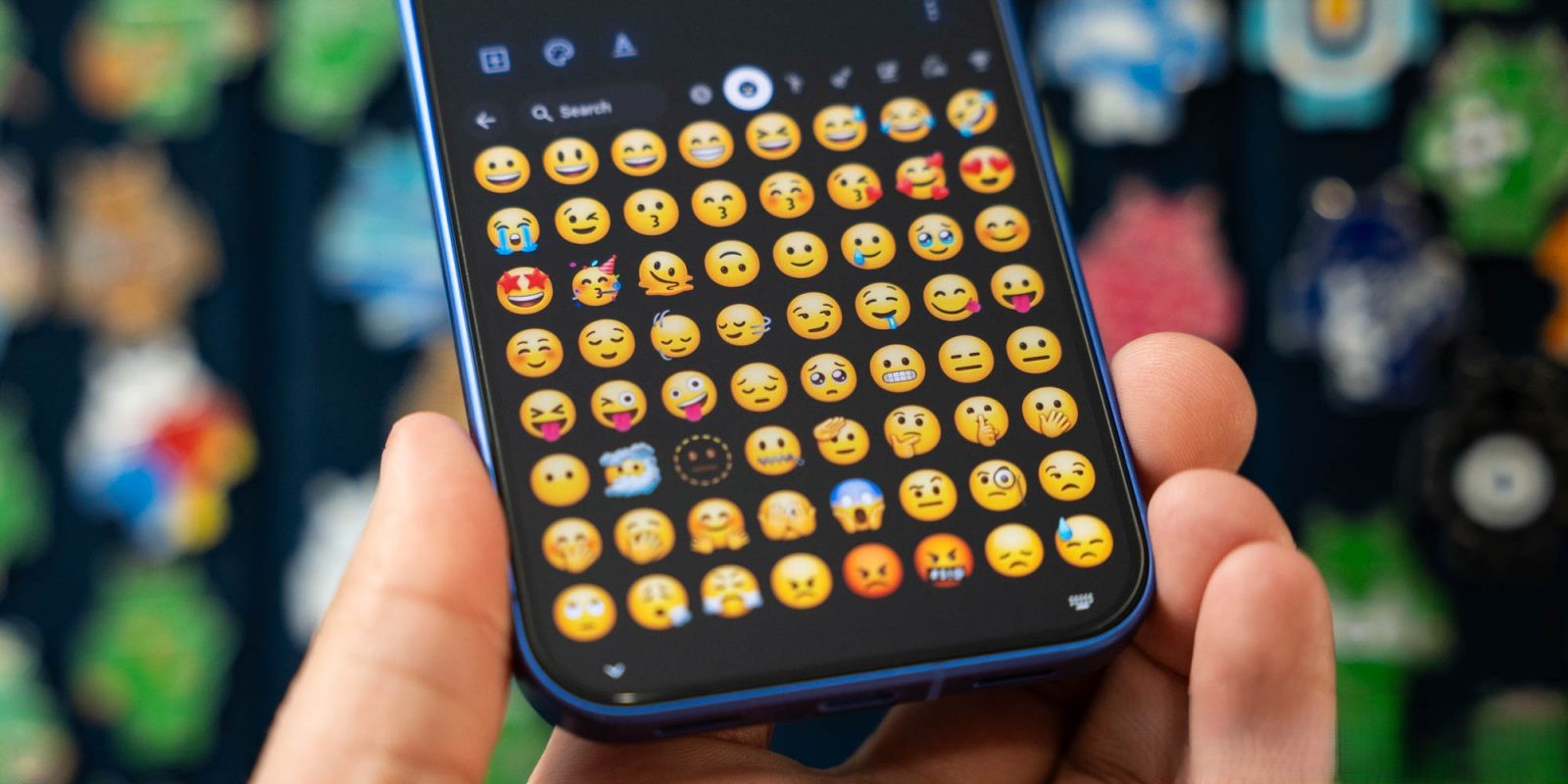
A recent leak has provided an extensive preview of these new designs. Approximately 250 of the redesigned emoji have surfaced, showcasing a variety of facial expressions, animals, and objects. Notably, some emoji, like the turtle, retain a design close to their original form, while others, such as the skull, exhibit more pronounced changes. Additionally, the moon phase emoji have been notably improved, offering clearer and more detailed representations.
It’s important to note that these 3D emoji are not AI-generated. Jennifer Daniel, Google’s Emoji Kitchen lead, confirmed that the new designs are hand-modeled and represent true 3D objects. This human-centric approach ensures that the emoji maintain a level of authenticity and emotional resonance that automated processes might lack.
The introduction of 3D emoji is part of Google’s broader effort to enhance digital communication by adding a sense of physicality to virtual interactions. By providing more lifelike representations, these emoji aim to bridge the gap between digital messages and real-world emotions, making conversations more engaging and expressive.
While the official release of these 3D emoji is slated for later this year, starting with Pixel devices, the leaked designs have already sparked discussions among users. Some appreciate the added depth and realism, while others express nostalgia for the simpler, flat designs of the past. Regardless of individual preferences, this redesign signifies a notable evolution in Google’s approach to visual communication.
In summary, Google’s upcoming 3D emoji in Android 17 represent a significant shift towards more realistic and expressive digital communication. With hand-crafted designs and a focus on authenticity, these emoji are poised to enhance user interactions across Google’s ecosystem.