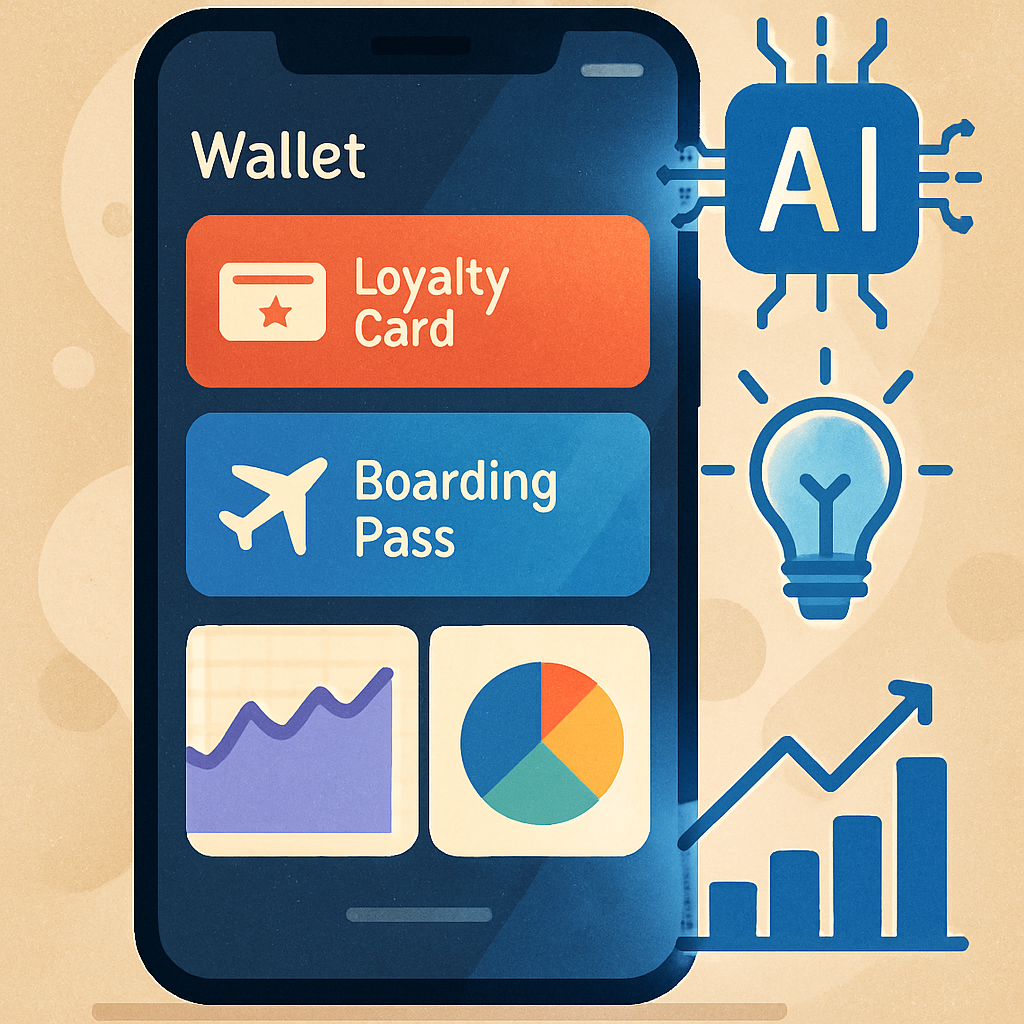
Google is rolling out a new integration between Google Wallet and Gemini’s Connected Apps on Android, enabling users to access personalized insights drawn from their saved data. Once enabled, Gemini can pull information from items like loyalty cards, event tickets, and boarding passes stored in Google Wallet, helping users quickly retrieve things like airline loyalty numbers or find their boarding pass.
What users get
The integration introduces several new features. Gemini can analyze transaction data from financial services linked through tools like Plaid (in the U.S.), giving affordances such as expense summaries, budgeting tips, and insights based on spending habits. It can also review rewards and promotions tied to passes and cards in Wallet—spotting deals you might not have noticed. These capabilities make it easier for users to get valuable intel without digging through multiple apps or accounts.
Limits & availability
There are a few things this integration won’t do. Gemini won’t initiate payments using cards or methods stored in Google Wallet, nor will it allow editing or removing financial accounts. The feature is currently being rolled out gradually in the U.S. and only works with personal Google Accounts. It hasn’t yet reached every user.
To use this, users need to go into the Gemini app’s prompt box—once enabled, Google Wallet appears in the Connected Apps list where you can toggle it on. After setup, prompts like “Find the boarding pass for my flight to Chicago” or “How much did I spend on groceries last month?” become possible.
Behind the scenes, the Plaid-based access to financial data—already used in Google Pay—powers some of the expense and budgeting insights. However, such data access is restricted to U.S. Wallet users only.
Why this matters
This fusion of Google Wallet and Gemini reflects a broader trend: shifting from managing payment or identification assets in isolation toward integrating data silos to deliver more proactive, personalized assistance. Many users already keep loyalty programs, tickets, and financial information in Wallet—this adds a layer of intelligence so stored items do more work for you.
Still, privacy and security are central concerns. While the integration stays read-only—no permissions to spend or make edits—it does raise questions about how data is shared, analyzed, and retained. Since the rollout is gradual and limited to the U.S., Google can monitor how people respond and fine-tune if needed.