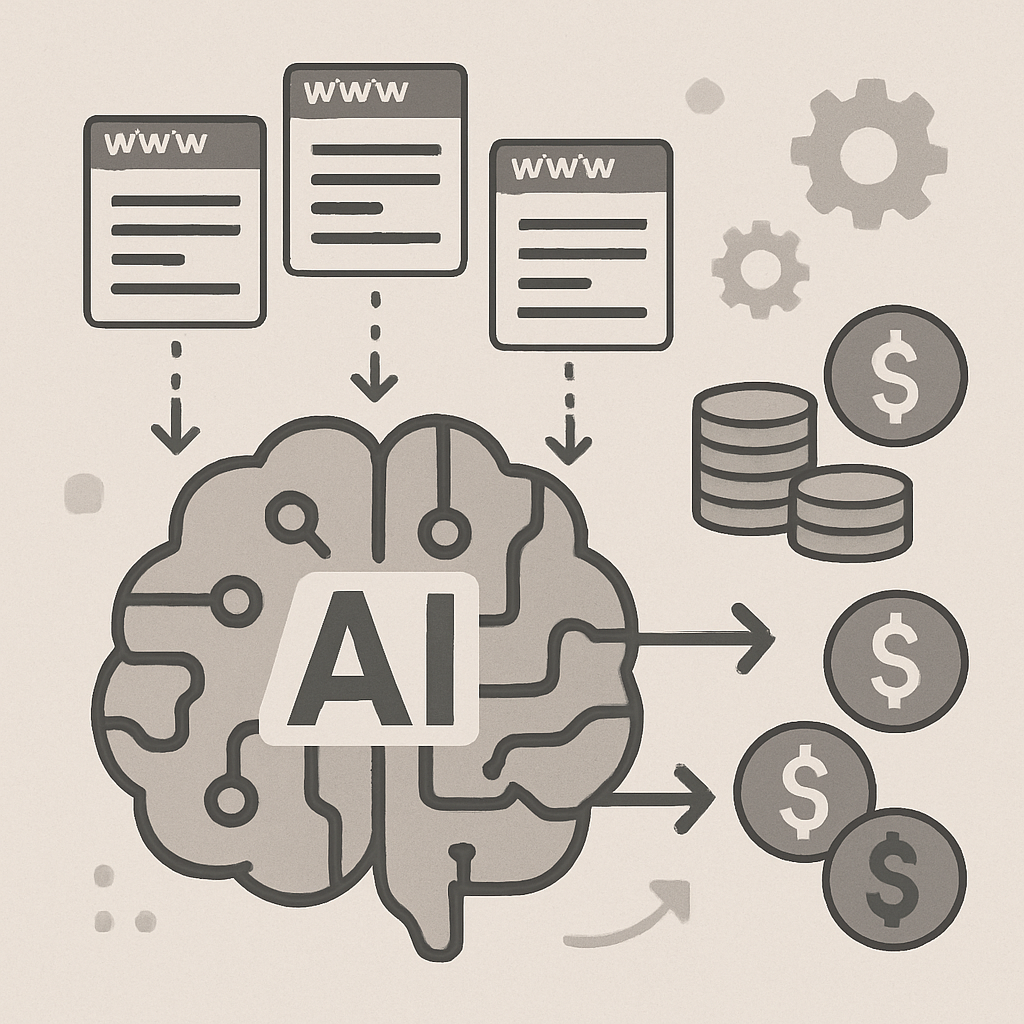
Google is piloting a program that provides financial compensation to websites and publishers whose content is significantly used by its AI features—such as AI Overviews—that surface answers directly in search results. This new effort, called the “AI contribution pilot,” reflects growing concern about how generative AI tools draw from existing online content without routing traffic back to the original creators.
The initiative is available to “small and mid-sized” publishers, though its reach extends beyond just news outlets. Publishers involved in the pilot now see estimates of how much they’ve earned via a dedicated panel in Google Search Console. The idea is to counteract the revenue lost when AI reduces direct website visits by recognizing content contribution with payments. The earnings are only generated when a site’s content “meaningfully contributes to AI-generated responses” in participating Google products.
How the Pilot Works
Details of the program were shared through internal documentation made available to participating publishers. Websites can accrue earnings based on the extent to which their content is factored into AI-driven results. While publishers say the dashboard information they’ve received so far is “basic,” many view the initiative as an important step toward more equitable recognition of content creators in search ecosystems.
This latest move builds on earlier efforts. In June 2026, Google disclosed its intention to work more closely with sites whose content contributes to freshness and factual accuracy in AI responses. Late in 2025, it launched a “commercial partnership program” that similarly engaged major news publishers. The AI contribution pilot, however, is broader in scope, casting a wider net to include non-news content providers affected by AI usage.
Why It Matters
The shift toward AI-first search results has led to widespread concern that traditional websites lose visibility and traffic. Since AI Overviews and similar features may summarize or directly answer queries, users may not click through to original sources as often, reducing ad revenue and readership. By offering compensation tied to AI use, Google is attempting to rebalance incentives so creators feel fairly rewarded instead of bypassed.
For publishers, particularly smaller ones, this marks a potentially transformative move. Although the financial stakes are still emerging, recognition from Google could help preserve content diversity online. If successful, the model might serve as a blueprint for other tech giants deploying generative AI that relies on third-party content.
While still in early stages, this pilot signals a recognition by search platforms that content creators need to be part of the value chain—not just sources to be mined. What to watch: how transparent the payout mechanisms become, whether payments are meaningful for smaller players, and if this model scales beyond pilot institutions to reshape who benefits from AI-powered results.