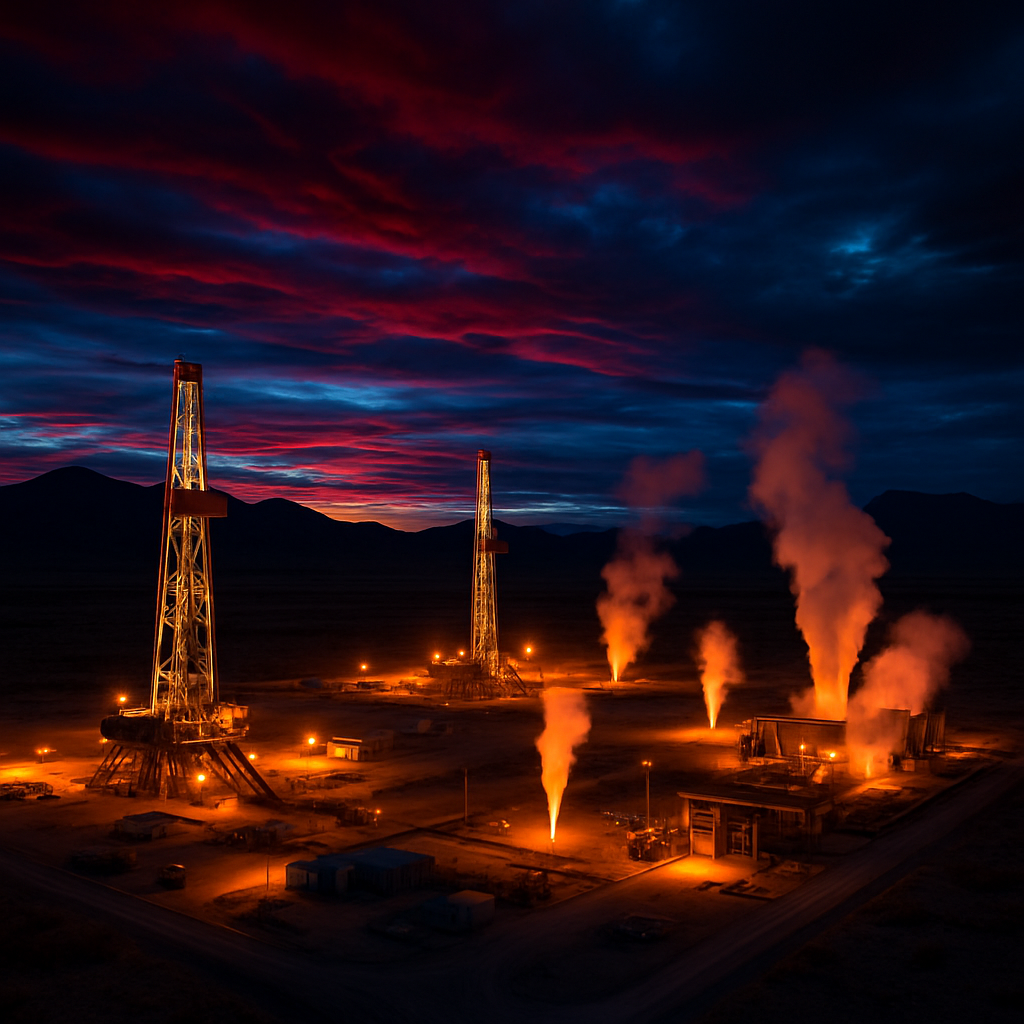
Google has struck a deal to purchase 396 megawatts of electricity from Fervo Energy’s upcoming Cape Station geothermal plant in Utah, boosting its supply of clean energy for a data center set to launch in 2028. The agreement includes an option for Google to acquire up to an additional 600 MW through June 2030, pushing the total potential purchase toward a gigawatt scale. The first portion of power is expected from a facility permitted to develop 2 gigawatts, with estimates suggesting the site could hold enough heat to produce up to 4 gigawatts if fully developed.
Enhanced Geothermal Gets Center Stage
Enhanced geothermal systems drill deeper to access hotter rock and tap into previously untapped thermal energy. If deployed at scale, such technologies could unlock up to 57 terawatts of electricity in the U.S.—a figure far beyond current generation capacity and potentially transformative for climate emissions reductions. The Cape Station site is a key example: its heat potential, if fully harnessed, would nearly double the nation’s existing geothermal output.
Aligning Clean Power with AI and Sustainability Goals
For Google, which has long sourced wind, solar, and battery power to meet its 2030 net-zero emissions target, the new agreement supports a dual priority: expanding AI operations while retaining a commitment to cleaner electricity. Though Google’s purchase of nearly a gigawatt of natural gas power earlier this year raised concerns about its emissions trajectory, the geothermal deal offers a route to scale emission-free power without reliance on fossil fuels.
Fervo and Google’s partnership spans more than five years, with Google among the first to buy power from Fervo’s early operations and an investor in the company’s last funding round before it went public. The announcement of the new power agreement triggered a roughly 30% spike in Fervo stock, though some gains were later pared back through profit-taking.
The Cape Station geothermal plant is expected online by 2028. It’s one of several projects powered by enhanced geothermal technologies that aim to deliver baseload clean energy—capable of running continuously, unlike solar or wind which depend on weather. While still emerging, this form of geothermal could play a pivotal role in the clean energy mix if cost, permitting, and scaling challenges are addressed.
What this means: Google is leaning into enhanced geothermal as a strategic lever to fuel its high-intensity operations—like AI and cloud—while keeping its climate goals alive. The deal underscores how deep clean energy options are coming into sharper view for hyperscalers needing both reliability and emissions discipline. The ripple effects could pressure regulators, investors, and other energy-intensive tech firms to rethink their energy portfolios—and fast. Watch closely how Fervo scales its geothermal output, and whether this signals a broader shift in where and how data centers source their power.