Tesla’s ambitious Robotaxi initiative has encountered significant setbacks, with the company reporting a 36% decline in miles driven by its autonomous fleet for paying customers in the second quarter of 2026 compared to the first. This downturn is particularly striking given Tesla’s recent expansion into six cities across Texas and Florida, utilizing a combination of supervised and unsupervised vehicles.
Despite these efforts, the anticipated growth in autonomous ride services has not materialized. The decline in operational miles coincides with a broader financial strain on Tesla, as the company’s core businesses underperformed Wall Street expectations, leading to a more than 13% drop in stock value during early trading on Thursday.
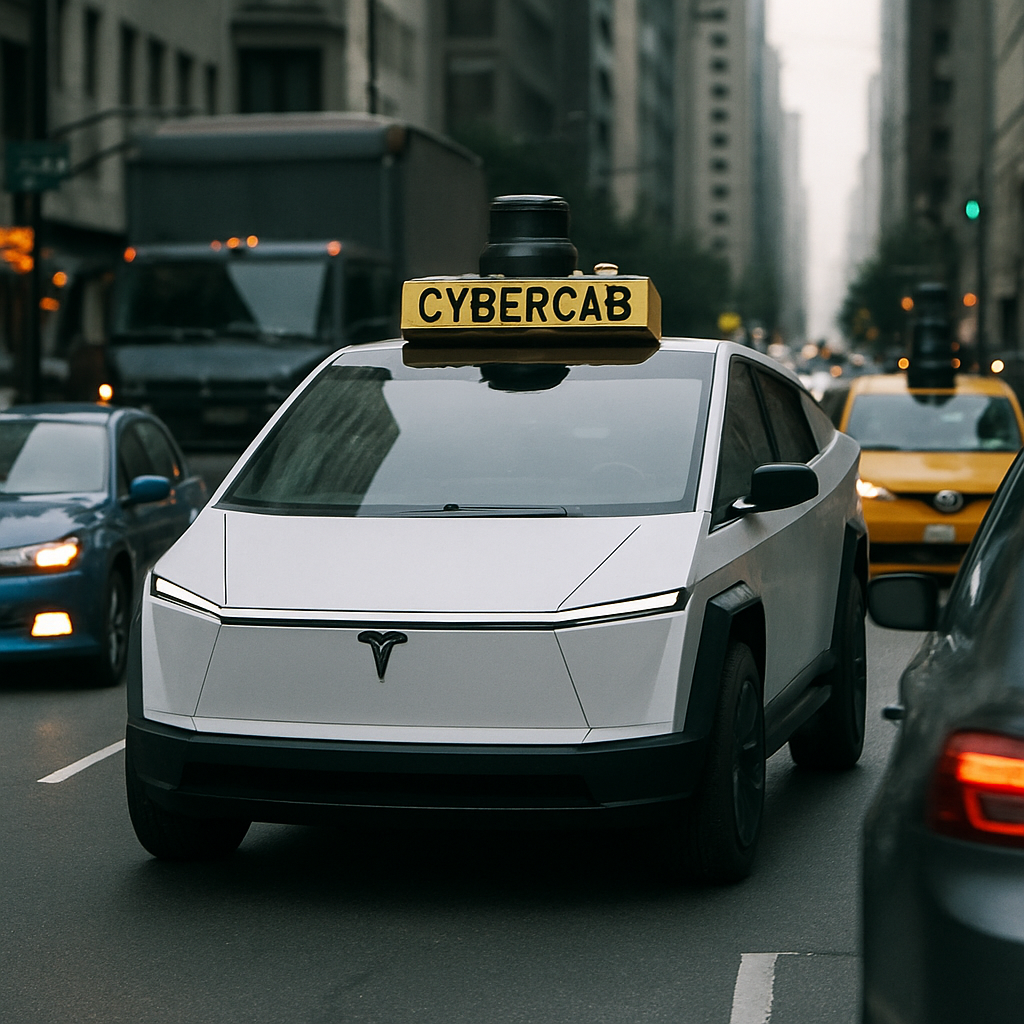
CEO Elon Musk addressed the slowdown, emphasizing the necessity of accumulating driving data specific to the Cybercab—a purpose-built, two-seater vehicle intended to form the backbone of Tesla’s autonomous fleet. Musk highlighted the need to calibrate the Cybercab’s systems through real-world data collection before a large-scale deployment can occur. This approach marks a departure from Tesla’s previous strategy, which relied heavily on data gathered from its extensive fleet of customer-owned vehicles to train autonomous systems.
Safety concerns have also played a pivotal role in the cautious rollout. Musk underscored the importance of preventing accidents to avoid negative media coverage and potential regulatory scrutiny. This cautious stance reflects a broader industry trend, as autonomous vehicle companies face increasing pressure to demonstrate the safety and reliability of their technologies.
In light of these challenges, Tesla’s Robotaxi project appears to be at a crossroads. The company’s ability to navigate technical hurdles, ensure safety, and manage public perception will be critical in determining the future trajectory of its autonomous vehicle ambitions. As the industry continues to evolve, Tesla’s experiences may offer valuable insights into the complexities of deploying large-scale autonomous transportation services.