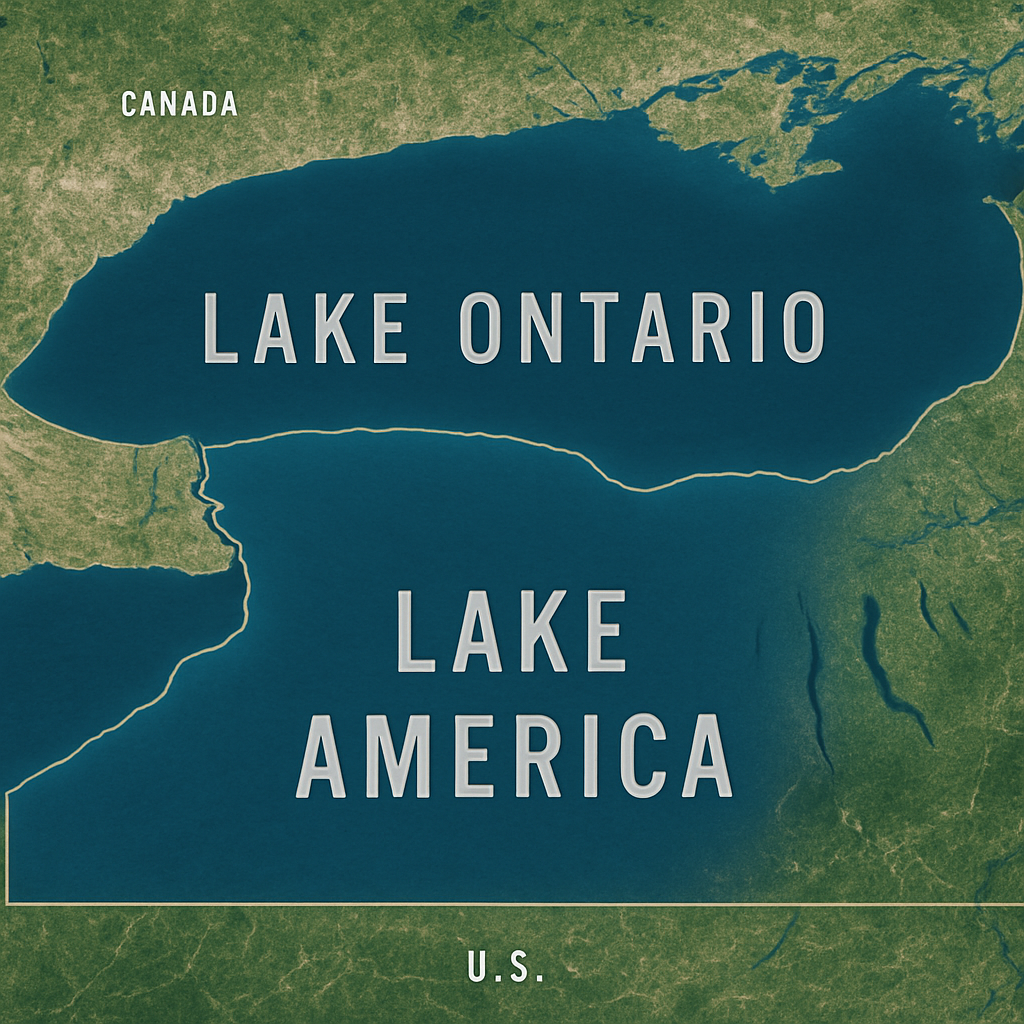
Google Maps has changed the label of “Lake Ontario” to “Lake America” for users located in the United States. This change follows a recent executive order and reflects updates made by U.S. federal authorities. To users in Canada, the lake will continue appearing as “Lake Ontario,” while those outside both countries will see the combined name “Lake Ontario (Lake America).”
Why the name change happened
The renaming is rooted in the U.S. Geographic Names Information System (GNIS), which officially updated the lake’s name to “Lake America” on August 27 under the Department of the Interior. This update implements the directions of an executive order issued by former President Donald Trump. Google says it applies its policy of using names from local government records in Maps. A similar approach was taken in February 2025 when Google switched the name for the “Gulf of America.”
Differing reactions and implementation abroad
The Canadian government has firmly rejected the U.S. name change. Prime Minister Mark Carney emphasized that “Lake Ontario” has deep historical significance, noting it predated both Canadian confederation and American independence. He also highlighted the name’s origins in the Wendat language, where Ontari’io means “the lake is beautiful, the lake is big.”
Other map providers have reacted differently. MapQuest has criticized the change and is developing a user-driven name generator instead of applying an official rename. Apple Maps has not adopted the update. When the similarly contentious “Gulf of America” rename occurred in 2025, Apple changed its naming shortly after Google’s move.
What’s next and public response
The relabeling has drawn criticism, especially from those who see it as politically motivated or dismissive of history. During the “Gulf of America” controversy, Google restricted new reviews on Maps in the U.S., but so far no such restriction has been imposed for “Lake America.” The backlash suggests more contentious debates could follow, especially if user input or historical considerations continue to clash with official name policies.
Analysis: This rename marks a rare instance where a government-driven assertion changes what users see in digital spaces—specifically mapping platforms. It raises broader questions about how map providers mediate between historical legacy, government policy, and user expectations. Going forward, it’s essential to watch how international map services resolve similar conflicts, and whether naming conventions will increasingly be influenced by politics rather than geography or culture.