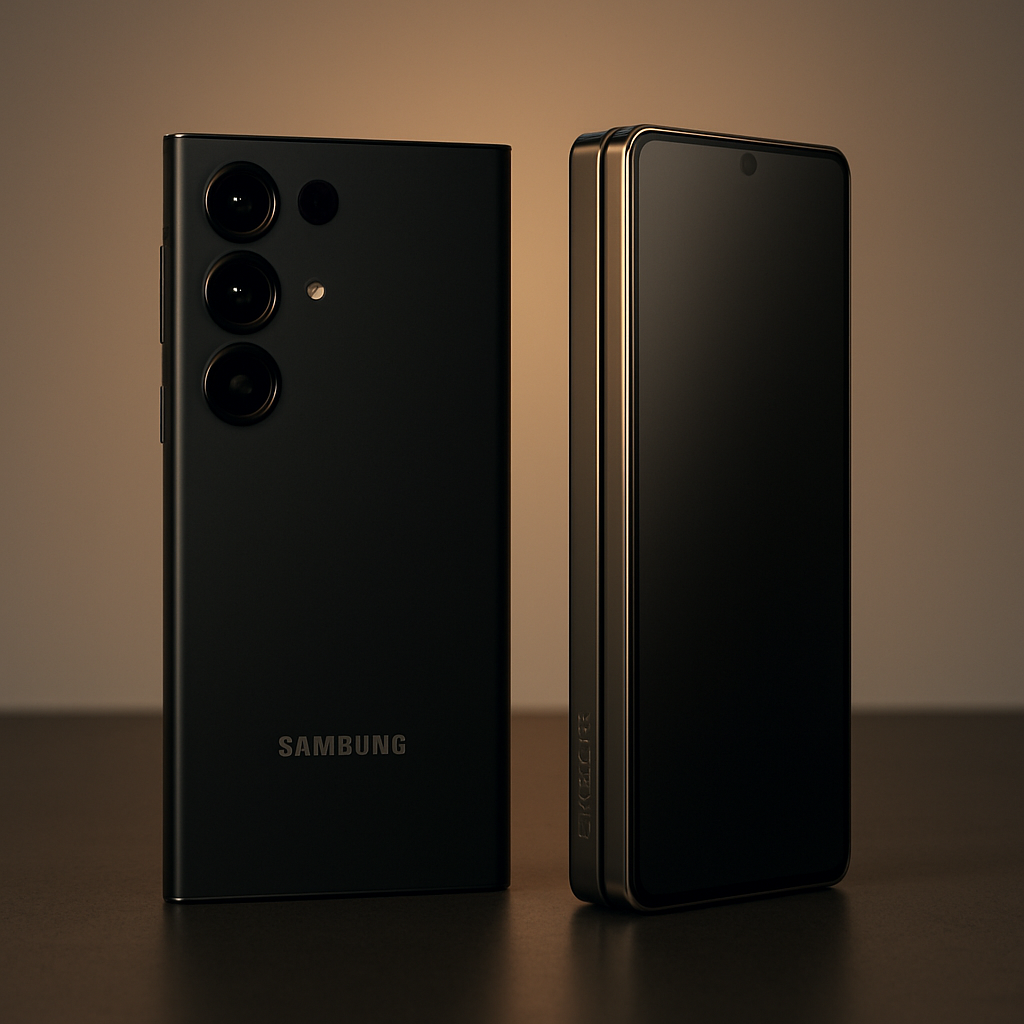
2026 has largely seen Samsung sticking to safe, incremental upgrades for its Galaxy line—yet despite such restraint, the company’s flagships are finding unexpected success. The Galaxy S26 series brings mostly performance tweaks: an upgraded chip, a new “Privacy Display” feature on the Ultra, but little else that radically departs from previous models. Foldables saw larger changes with the Galaxy Z Fold 8’s wider screen, while the Flip 8 feels like it’s hitting its twilight. Even the latest S26 FE feels like mild evolution at a premium price.
Still, Samsung’s sales tell another story: the Galaxy S26 Ultra is now the world’s best-selling Android handset—a milestone for a $1,300 phone that outpaces even Samsung’s budget tiers. Foldables overall are growing, bucking the industry’s broader slowdown. And a recent report from IDC confirms what many are feeling: the cheap smartphone era may be over, and rising prices seem permanent.
So how is Samsung thriving when dramatic innovation isn’t front and center?
Refinement Over Disruption
The Fold 8 embodies Samsung’s strategy beautifully: it answers repeated user feedback for a thinner, lighter device with minimal crease visibility—all while preserving high-end specs. It’s design-forward changes without going full overhaul. Meanwhile, the S26 Ultra takes fewer risks, instead leaning into polish—such as the new Privacy Display and a more dependable feature set. Thanks to trade-in offers and loyalty from Galaxy users on older devices, it becomes an almost sure bet for those seeking reliability and consistency.
Pricing Pressure + Market Trends
Samsung’s commercial triumph comes at a time many brands are trying—and often failing—to balance innovation and cost. With component expenses rising and consumers increasingly price-conscious, the pressure is intense. Yet Samsung’s strategy seems to embrace this pressure: modest but meaningful upgrades, stable design language, and premium pricing. Its flagship model’s popularity—even when more affordable alternatives exist—suggests many users currently prefer a known quantity over unproven new ideas.
Foldables, especially, have benefited. Where many categories are shrinking or stagnating, foldables are growing steadily. Consumers were intrigued by meaningful design improvements in the Fold 8, proving that thoughtful evolution wins when radical design changes are risky and expensive.
It’s tempting to ask: has smartphone design peaked? Some argue slabs are stale, and that Samsung has become part of the problem by leaning heavily on mature, proven form factors rather than pioneering anything radically new. Its high-end models are the only ones seeing meaningful redesigns, while base models remain largely static—perhaps signaling where the future lies, or revealing where Samsung sees risk vs. reward.
At the end of the day, Samsung’s latest success suggests that ‘boring’ isn’t bad anymore—it’s comfort, trust, and strength. Galaxy flagships check the boxes that matter: performance, design stability, and reliability. And right now, that’s enough to win. But this moment won’t last forever—what Samsung does next in terms of innovation versus complacency will likely define where the industry heads next.