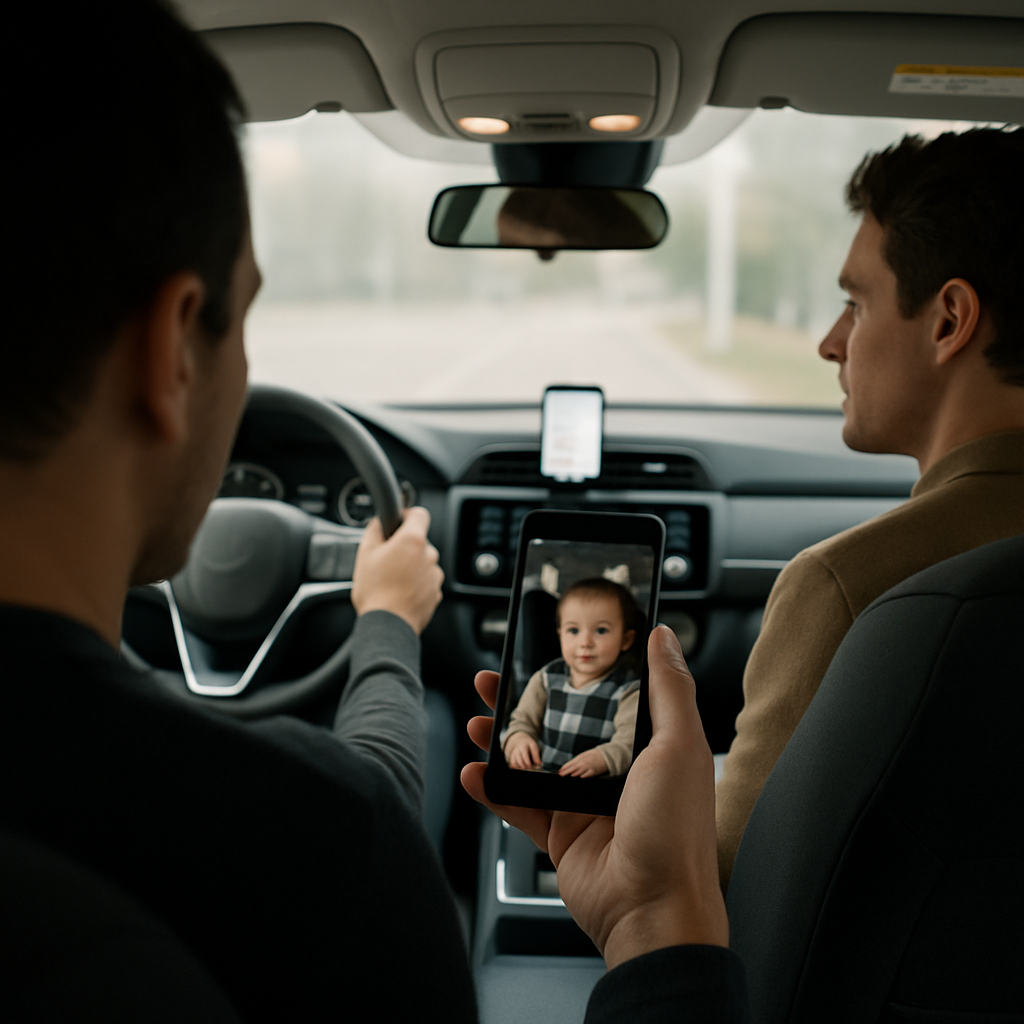
Uber is rolling out a live video streaming component for its teen accounts, giving parents or guardians the ability to monitor ride safety more closely. The feature, which will become available nationwide in the U.S. over the next few weeks, uses the driver’s selfie camera to transmit live video once the ride begins. Parents with accounts linked to a teen’s Uber profile will receive a notification when the stream is active, and if they choose to tune in, Uber alerts both the driver and the teen. Only parents or guardians connected to the teen’s account can view the stream. Other passengers in the vehicle will appear in the video feed if present — there’s no option to exclude them.
How This Works in Practice
When a ride starts under a teen account, a prompt notifies the parent or guardian that the live video stream is available. Selecting to view the stream triggers automatic alerts to both the driver and the teen, creating transparency from all sides. Importantly, once the ride ends, the video feed becomes inaccessible to everyone involved — teen, parent, driver — and the company says the stream is encrypted. Uber hasn’t clarified whether that encryption is end-to-end, meaning it’s unclear if Uber itself could access or view the footage.
Availability and Context
At launch, the live streaming feature is active in nine U.S. markets, including cities like Atlanta and Cleveland, as well as the state of Rhode Island. In the coming weeks, Uber plans to extend the service across all U.S. states.
Uber rolled out teen accounts in the U.S. back in 2023 and has since expanded that service to more than 50 countries globally. The new video feature builds on this foundation, giving parents additional tools to keep an eye on younger riders within Uber’s rideshare system.
Why It Matters: This addition reflects growing pressure on rideshare and mobility platforms to enhance safety, particularly for vulnerable users. But it also raises privacy questions: how the video data is stored, who can see it, and whether Uber retains the footage. These are issues users and privacy experts will likely scrutinize closely as the feature becomes more widespread.
Looking Ahead
Watch for details on how Uber addresses the ambiguity around its encryption claims — whether it’s truly end-to-end. Also worth observing: user uptake, any legal or regulatory pushback, and how riders — especially teens — respond to being livestreamed, even with notice. This could set a precedent for how ride apps integrate real-time surveillance in the name of safety.