General Motors is rolling back part of its controversial decision to remove Apple CarPlay from its electric vehicles by reintroducing it for two upcoming truck models—but with a twist. The company is developing a truck-specific interface that supports CarPlay alongside Android Auto, though neither will own the full-screen experience. This move represents the latest in GM’s ongoing retreat from its original stance.
Background: GM’s 2023 ban and customer outcry
In 2023, GM publicly declared it would eliminate CarPlay from all future electric vehicles. The automaker offered a range of justifications at the time, many of which drew criticism. Among the strongest reactions were from customers who said the policy would discourage them from buying GM vehicles in the long term.
The new compromise: split screen, shared displays
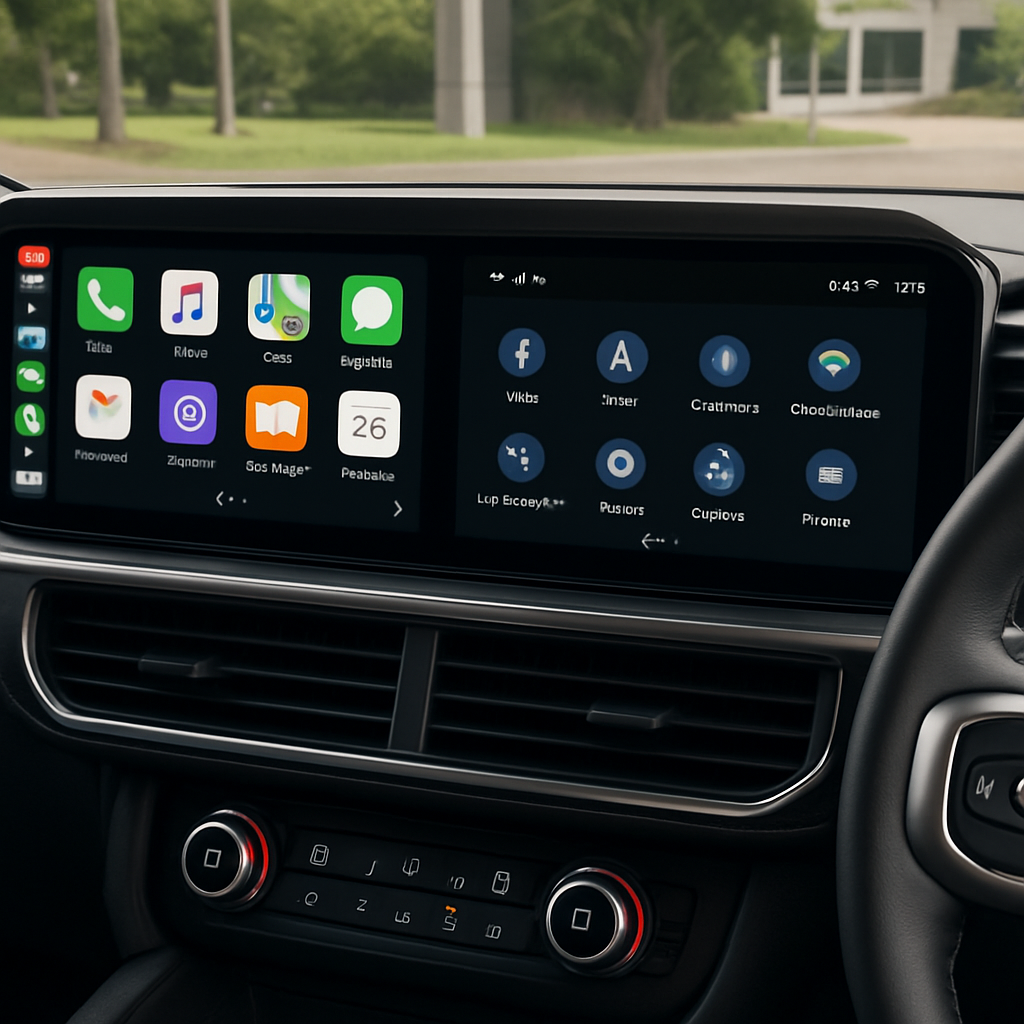
Details recently revealed indicate that GM’s newly designed infotainment layout for two upcoming truck models will show CarPlay and Android Auto in a dedicated portion of the dashboard rather than taking over the entire display. The interface will default to a split view, with GM’s native apps sharing screen space alongside the third-party platforms.
The company hasn’t offered public commentary explaining why trucks are being treated as an exception. GM has stated that the overhaul aims to cut down on the number of steps drivers need to take to access features—a nod toward usability being a factor in its reversal.
Regulatory pressure plays a role, too
Beyond user frustration, GM’s revisiting of its decision may be influenced by new rules from global regulatory bodies. Both the European Union and China now require physical controls for certain vehicle functions—horn, hazard lights, windshield wipers, etc.—to reduce distraction from touchscreen-only setups. Those mandates add pressure on automakers to reconsider overly touchscreen-reliant systems.
What this means: GM’s latest tweak allows CarPlay—once banished—to reclaim a foothold in future GM trucks, though in a more limited form. It reflects both customer backlash and shifting regulatory winds demanding safer, more intuitive interfaces. What to watch closely now is how broadly GM extends this compromise—whether it reaches all EVs or remains limited to select trucks—and what that means for system updates, long-term owner satisfaction, and GM’s broader strategy in the driving tech arms race.