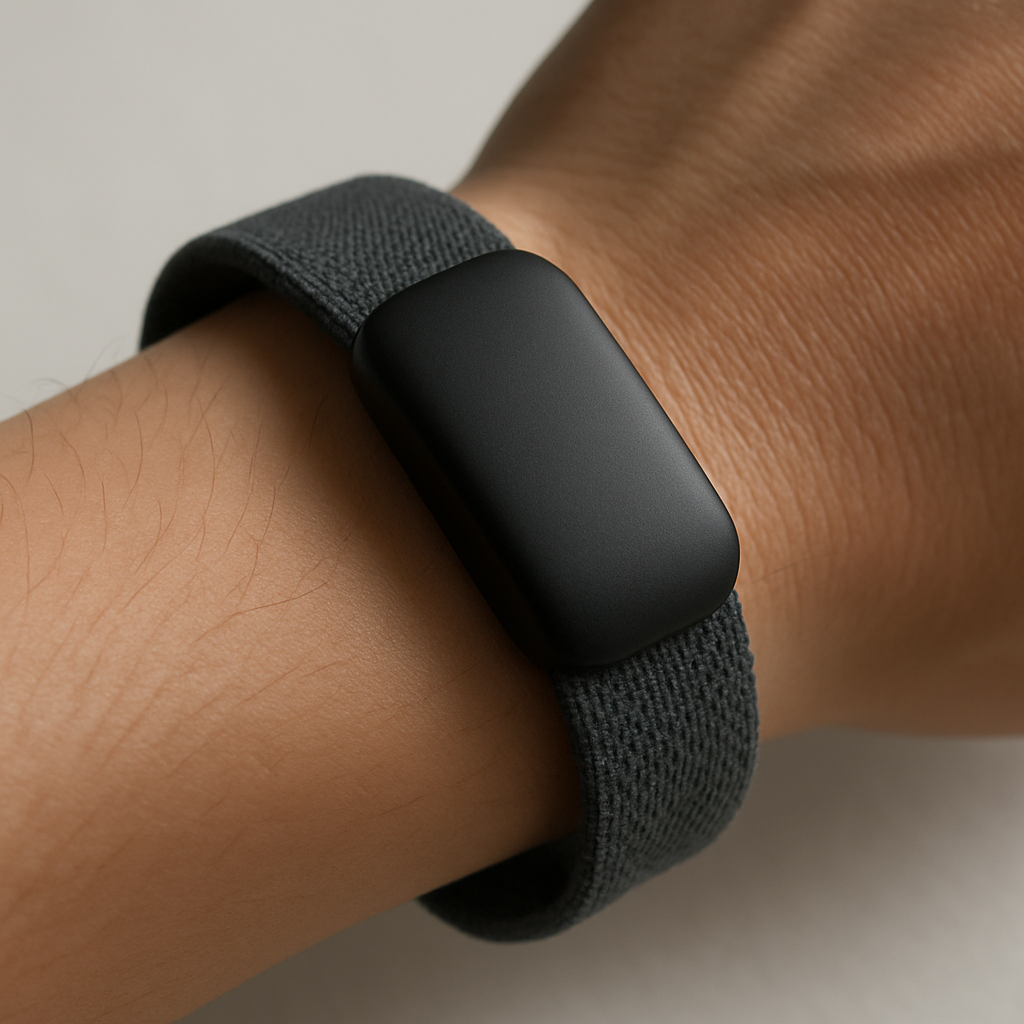
Garmin has officially introduced the Cirqa Smart Band, a screen-free fitness tracker designed to monitor health and wellness metrics without the distractions of a display. This device offers up to 10 days of battery life and provides continuous health monitoring, with data accessible through the Garmin Connect app. Notably, the Cirqa operates without requiring a subscription, setting it apart from competitors like Whoop 5.0 and Fitbit Air.
The Cirqa’s design emphasizes discretion and comfort, featuring a fabric band that can be worn on the wrist or upper arm. It tracks a range of health metrics, including heart rate, skin temperature, and blood oxygen levels, catering to users seeking a minimalist approach to fitness tracking.
This launch raises questions about Apple’s position in the wearable market. While the Apple Watch remains a comprehensive device, its daily charging requirements and constant notifications may not appeal to all users. The emergence of screen-free devices like the Cirqa highlights a growing demand for more subtle health monitoring solutions.
Rumors have circulated about Apple exploring new wearable formats. Speculation includes the development of a smart ring, potentially offering health tracking in a more discreet form factor. Additionally, there have been reports suggesting that future Apple Watch models might incorporate sensors into the band itself, allowing for more advanced health monitoring without altering the watch’s main body.
As the wearable market diversifies, Apple faces the challenge of balancing its current offerings with emerging consumer preferences. The success of devices like the Garmin Cirqa indicates a significant interest in screen-free, subscription-free health trackers. Apple’s response to this trend could involve expanding its product line to include such devices or innovating within the existing Apple Watch framework to offer similar benefits.
In conclusion, the launch of Garmin’s Cirqa Smart Band underscores a shift in consumer interest towards minimalist, distraction-free health monitoring devices. Apple’s potential entry into this segment could redefine its wearable strategy, catering to users seeking functionality without the constant presence of a screen.