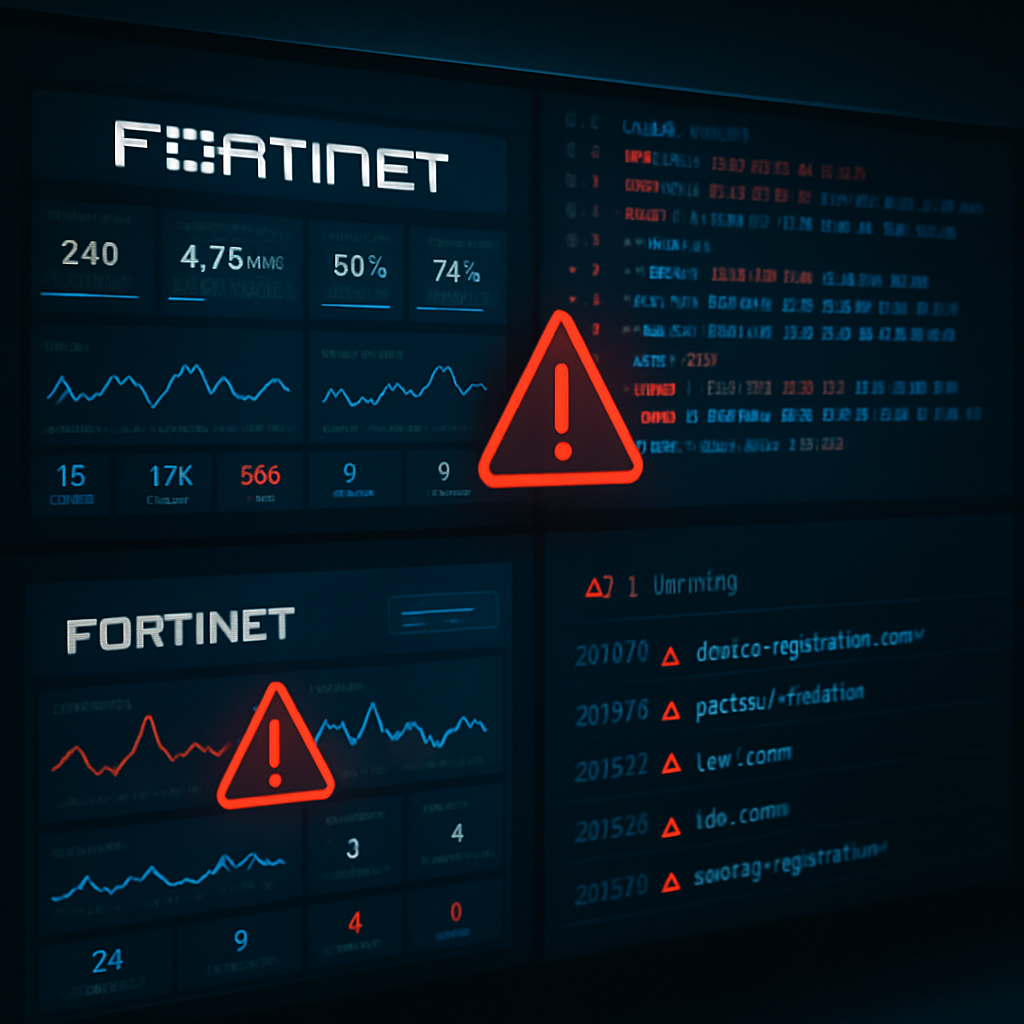
Fortinet has issued an urgent security advisory today, October 22, 2026, urging customers to install critical patches for FortiOS, FortiManager, and FortiAnalyzer. These updates address multiple severe vulnerabilities—some uncovered with AI assistance—and prioritize securing internet-facing devices immediately. The call for action is part of a broader patching wave that includes FortiMail, FortiAuthenticator, and other related products.
What’s at Risk and What’s Fixed
The vulnerabilities affect a range of versions across Fortinet’s core firmware and management platform branches. For FortiOS, users running versions between 8.0.0–8.0.1, 7.6.0–7.6.7, 7.4.0–7.4.12, and 7.2.0–7.2.13 must upgrade to newer releases: 8.0.2, 7.6.8, 7.4.13, or 7.2.14 respectively. Similar minimum fixed versions apply to FortiManager and FortiAnalyzer, while FortiMail and FortiAuthenticator also require upgrades or branch shifts for certain releases. The updates became available on October 22.
AI’s Double-Edged Role
Fortinet says its recent testing used sophisticated AI models to inspect code paths, protocol handling, and configuration logic—the same kind of complexity often leveraged by attackers. After AI flagged potential vulnerabilities, human security experts then validated whether these were credible risks. The company warns that adversaries are already using techniques like patch diffing—comparing patched vs unpatched code—to accelerate exploit development once patches become public. Attackers may also chain together lower-severity flaws to create serious attack vectors if left unpatched. Notably, Fortinet’s announcement did not include specific CVE numbers or detailed exploit conditions, nor did it indicate any known active attacks using the newly revealed vulnerabilities.
Fortinet plans to post full public advisories by November 10. The company strongly urged users not to wait for the detailed disclosures to begin patching.
Other Related Security Alerts
In other developments, emergency patches were issued for PHP on October 21 to remediate two remote code execution flaws—collectively dubbed “PHP2Shell”—which could allow exploits without authentication in certain server configurations. Supported branches including 8.5, 8.4, 8.3, and 8.2 must update to the specific fixed versions. Meanwhile, Node.js released fixes addressing ten vulnerabilities, among them high-severity issues in Brotli decompression, TLS hostname verification bypasses, and DNS name truncation. The affected major branches include 26.x, 24.x, and 22.x.
What Organizations Should Do Now
Fortinet recommends identifying systems that are internet-exposed, backing up device configurations, and scheduling patch windows immediately—ideally covering October 22–23. Where immediate upgrades aren’t feasible, they advise restricting remote management access (HTTPS and SSH) to trusted sources, removing FortiManager from direct internet exposure, and enforcing multi-factor authentication paired with unique passwords. These mitigations don’t replace patching but can reduce risk in the interim. Monitoring logs for anomalous admin activity or unauthorized configuration changes is also stressed.
Updates for FortiSASE will be applied automatically ahead of the coordinated release, while FortiManager Cloud and public cloud-based deployments will follow provider-specific rollout processes.
What this means: the scale and nature of Fortinet’s latest fixes underscore how AI is changing both sides of cybersecurity. AI is accelerating vulnerability discovery—but also magnifying risks, especially when bad actors can reverse-engineer patches. For anyone relying on Fortinet hardware or software—especially services exposed to the internet—this patch cycle isn’t optional. It’s a wake-up call. Keep your systems updated, prioritize hardened access controls where updates lag, and closely watch the public advisories to come.