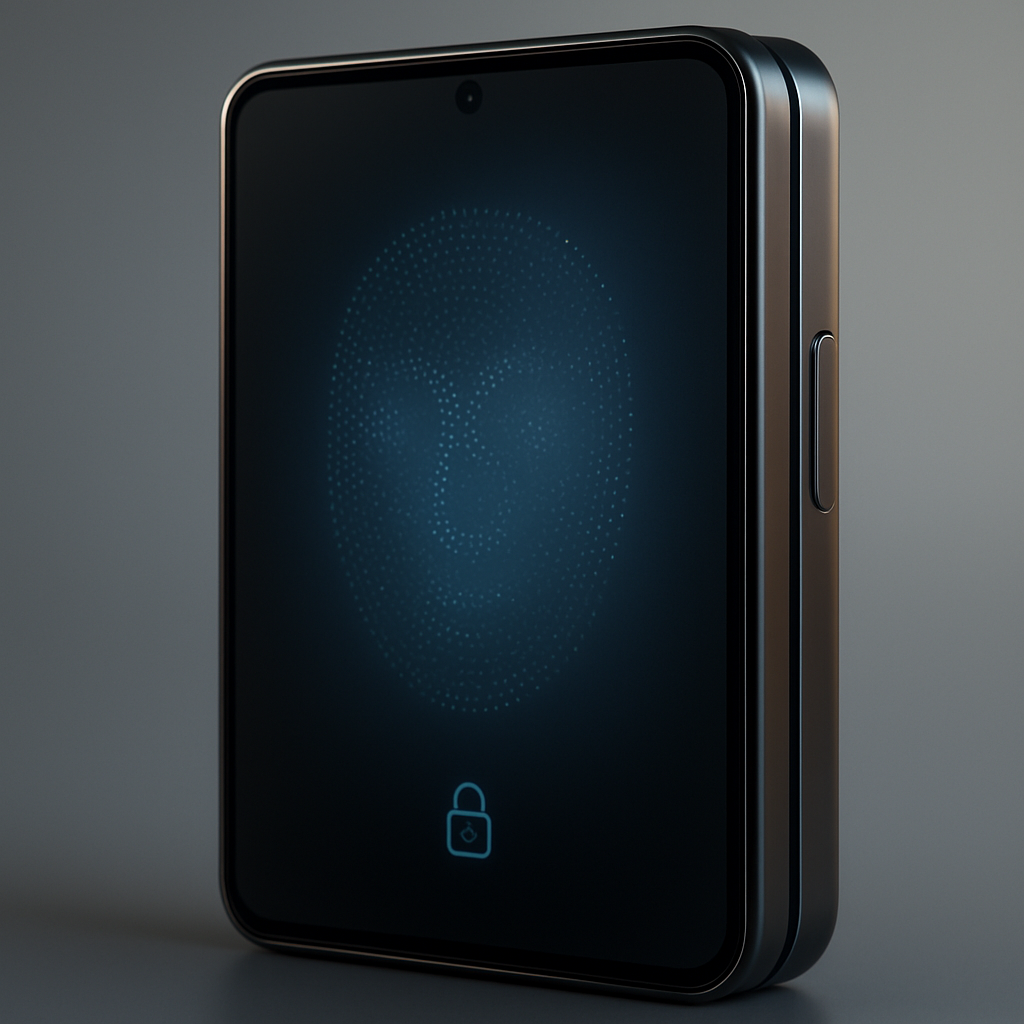
Apple is already experimenting with prototypes of the upcoming iPhone Duo 2 that feature Face ID tucked beneath the outer display. Sources inside the company report that these prototypes include both the infrared sensor and flood illuminator integrated under the screen—something Apple is also developing for its next major iPhone Pro line. The move would mark a return to Face ID for the Duo, which launched without it earlier this year.
Why Face ID Was Left Out, and What’s Changing
The original iPhone Duo ships without Face ID, instead relying on Touch ID for biometric authentication. Reviewers criticized this design choice, calling the lack of Face ID one of the hardest adjustments for early users. The reason for its absence boils down to space constraints: fitting the facial recognition hardware into the slim foldable design proved technically challenging.
Apple has been making headway in reducing the size of Face ID components. The company’s work on the under-display IR camera for the upcoming iPhone 18 Pro is one visible example. In the Duo 2 prototypes, both the IR module and the flood illuminator appear to be moving under the screen, which could allow for a smaller bezel or cut-out in coming models.
What to Expect for Duo 2—and What Might Wait
Since these features are in prototype stage, there’s no guarantee they’ll appear in the Duo 2 release. Apple may delay full under-display Face ID until Duo 3, depending on how development progresses. That said, internal testing suggests adding Face ID to Duo 2 is among Apple’s goals to improve its foldable lineup.
Meanwhile, the Duo 2’s development tracks alongside Apple’s work on its twentieth-anniversary iPhone Pro, which is also expected to push forward under-display facial scanning technology. Moving both IR camera and illuminator behind the display could shrink bezels even further and reduce noticeable cut-outs or protrusions.
Apple will officially unveil the original iPhone Duo tomorrow, but pre-order activity suggests strong demand. The company’s foldable offering appears poised to be a standout launch—especially if these new Face ID features land next year.
What this means:For users, under-display Face ID would address a key complaint about the Duo—restoring first‐party facial authentication without compromising design. For Apple, it signals progress in reducing hardware that traditionally required visible openings or bezels. Keep an eye on early hands-on reports for Duo 2. If Face ID is solid in those prototype units, it could arrive next fall; if not, it may wait until Duo 3.