The Cybersecurity and Infrastructure Security Agency (CISA) has recently added a significant vulnerability in the LiteSpeed cPanel Plugin, identified as CVE-2026-54420, to its Known Exploited Vulnerabilities (KEV) catalog. This action follows confirmed reports of active exploitation in the wild, underscoring the urgency for immediate remediation.
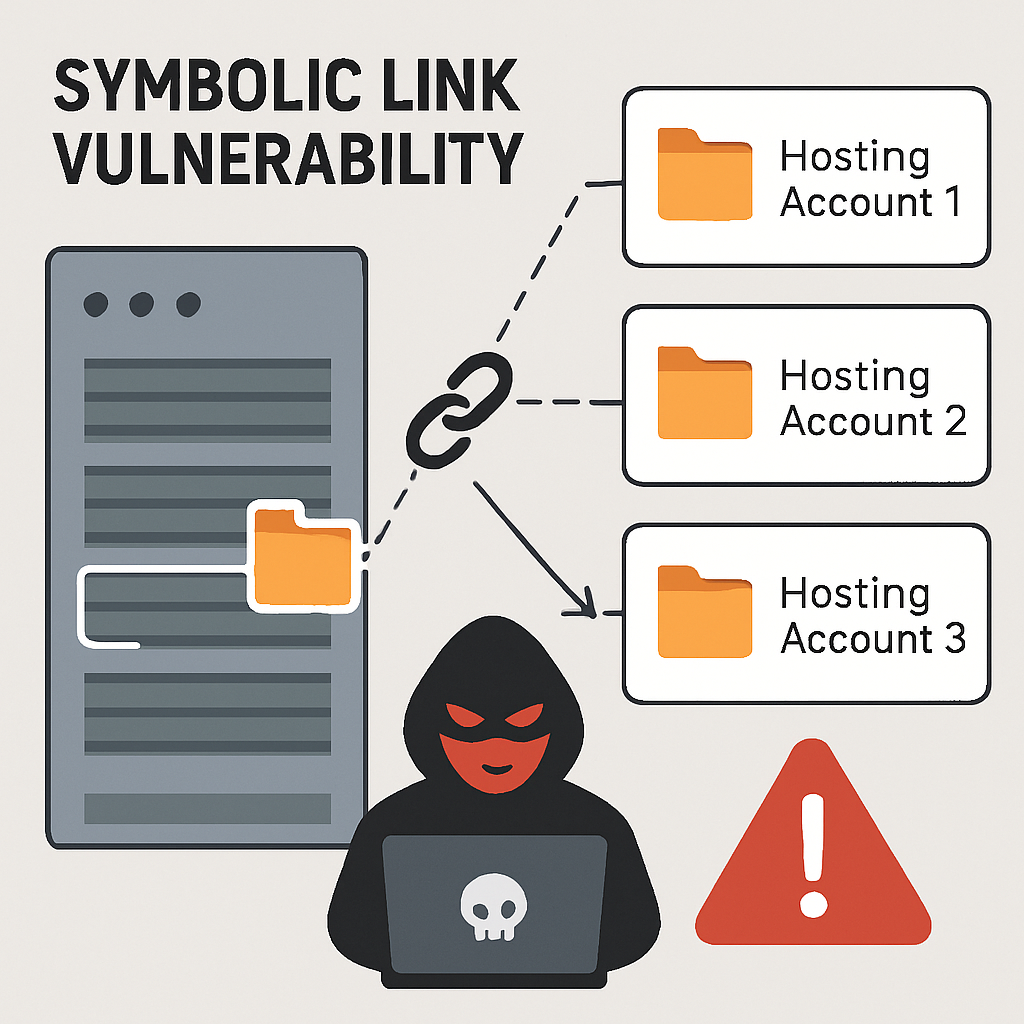
This vulnerability is particularly concerning for shared hosting environments, especially those utilizing CloudLinux with CageFS isolation. It is classified as a UNIX symbolic link (symlink) flaw, mapped to CWE-61. The core issue lies in the plugin’s improper handling of symbolic links, which can be exploited by attackers with limited access—such as those possessing FTP credentials or a web shell—to gain unauthorized access to sensitive files beyond restricted directories. This exploitation could lead to privilege escalation or exposure of data across multiple shared hosting accounts.
CISA officially added CVE-2026-54420 to the KEV list on June 15, 2026, setting a remediation deadline of June 18, 2026, in accordance with Binding Operational Directive (BOD) 26-04. This directive mandates that federal agencies and associated organizations prioritize the remediation of actively exploited vulnerabilities to mitigate potential threats.
Technical Analysis and Implications
The vulnerability arises from the LiteSpeed cPanel Plugin’s failure to properly validate symbolic links during file operations. In shared hosting environments, this oversight allows attackers to create malicious symlinks pointing to sensitive system files or data belonging to other users. If the server processes these links without proper validation, it may inadvertently expose restricted resources, compromising the integrity and confidentiality of the hosting environment.
This type of vulnerability is particularly dangerous in multi-tenant environments, such as web hosting servers, where user isolation is critical. Although CloudLinux CageFS is designed to contain users within isolated file systems, improper symlink handling can bypass these protections if not properly mitigated.
Recommendations and Mitigation Strategies
While there is no confirmed attribution linking CVE-2026-54420 to ransomware campaigns, CISA emphasizes that active exploitation is already occurring. Threat actors commonly exploit such vulnerabilities to gain initial access, conduct lateral movement, or exfiltrate data. Therefore, it is imperative for organizations to take immediate action.
CISA recommends the following measures:
- Apply vendor-provided mitigations and follow secure configuration practices.
- Review LiteSpeed plugin updates and enforce strict file permission policies.
- Disable unsafe symlink behaviors where possible.
- Continuously monitor for suspicious file access patterns and unexpected symlink creation.
Additionally, organizations must comply with CISA’s Forensics Triage Requirements to ensure proper incident response readiness. This includes maintaining logs, monitoring access controls, and preparing for rapid investigation in the event of a compromise.
If mitigations are unavailable, CISA advises organizations to consider discontinuing the use of affected products until a secure solution is implemented. Stakeholders are also encouraged to evaluate internet-facing assets and prioritize patching based on exposure and risk level.
The inclusion of CVE-2026-54420 in the KEV catalog highlights the growing trend of attackers targeting hosting platforms to compromise multiple tenants through a single entry point. This development serves as a stark reminder of the importance of robust security practices and the need for continuous vigilance in the face of evolving cyber threats.