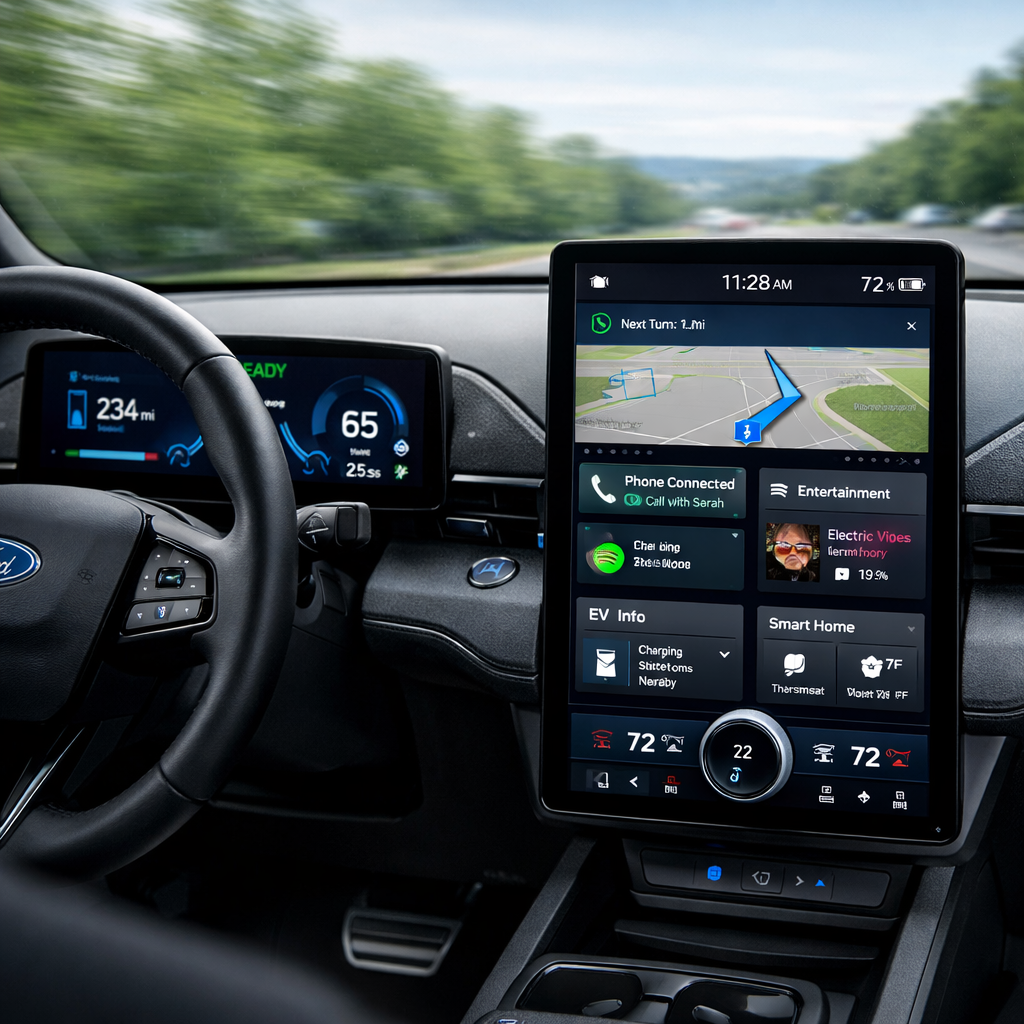
Ford is taking a more transparent stance on how it handles vehicle data as it prepares to launch a new generation of connected cars built on its upcoming “universal electric vehicle” (EV) platform. The auto giant has introduced what it’s calling a “privacy promise,” a public commitment aimed at safeguarding customer data and giving drivers control over what information they share. Alongside the commitment, Ford launched a website to show customers exactly how their data is used, where it goes, and how to adjust sharing settings.
The “privacy promise” expands on tools Ford already offers. It’s designed to clarify the data collection process and encourage trust—especially as modern vehicles grow ever more connected. Ford wants owners to know not just what’s collected from their cars, but why, and how sharing settings affect features.
What’s New in Ford’s Privacy Push
In addition to publicizing its privacy policies, Ford is emphasizing consumer education. Its new site explains the types of data the company gathers, how it applies that information, and what opting in or out entails. Ford’s privacy chief, Kristin Jones, underscored that choosing to disable certain connected services will mean giving up features like real-time navigation and built-in roadside assistance.
Ford is also drawing a bright line around what it won’t do: the automaker says it does not share detailed driving behavior data with brokers for advertising or commercial resale. Some of the collected data—like vehicle health information—is used for maintenance alerts and to inform research and future product development. This is a move to assure customers that there’s no hidden monetization of their driving habits.
Why It Matters Now
The timing of Ford’s initiative reflects rising concern among U.S. drivers about how much data their vehicles transmit—and what implications that holds. Recent polls show many enjoy connectivity features like remote start and driver-assist functions, but awareness of what data is collected remains low. In fact, only about 14% of drivers say they fully understand what their vehicle gathers.
Ford’s move also comes in response to regulatory and legal pressures. Automakers have been under scrutiny, as demonstrated by a case in which General Motors faced action from the Federal Trade Commission and a $220 million multi-state settlement for allegedly allowing third-party access to driver data without sufficient transparency.
Kristin Jones, who joined Ford in 2024, brings experience from legal, financial, and healthcare sectors to this privacy effort. She says Ford has been working toward clearer communication around data practices since she arrived—and views the latest steps as a continuation of a long-term journey with the company.
Underlying Ford’s position is a promise to let customers opt out of certain data collection—and to see what features are affected. The company wants to show that while data sharing enables conveniences and vehicle safety improvements, it should never serve opaque or exploitative purposes.
Ultimately, Ford’s privacy promise could serve as a benchmark in the industry—offering a model for how automakers might balance innovation, connectivity, and user privacy. What to watch: how Ford implements these controls, how enforceable its promises become, and whether customers actually change their settings as awareness rises.