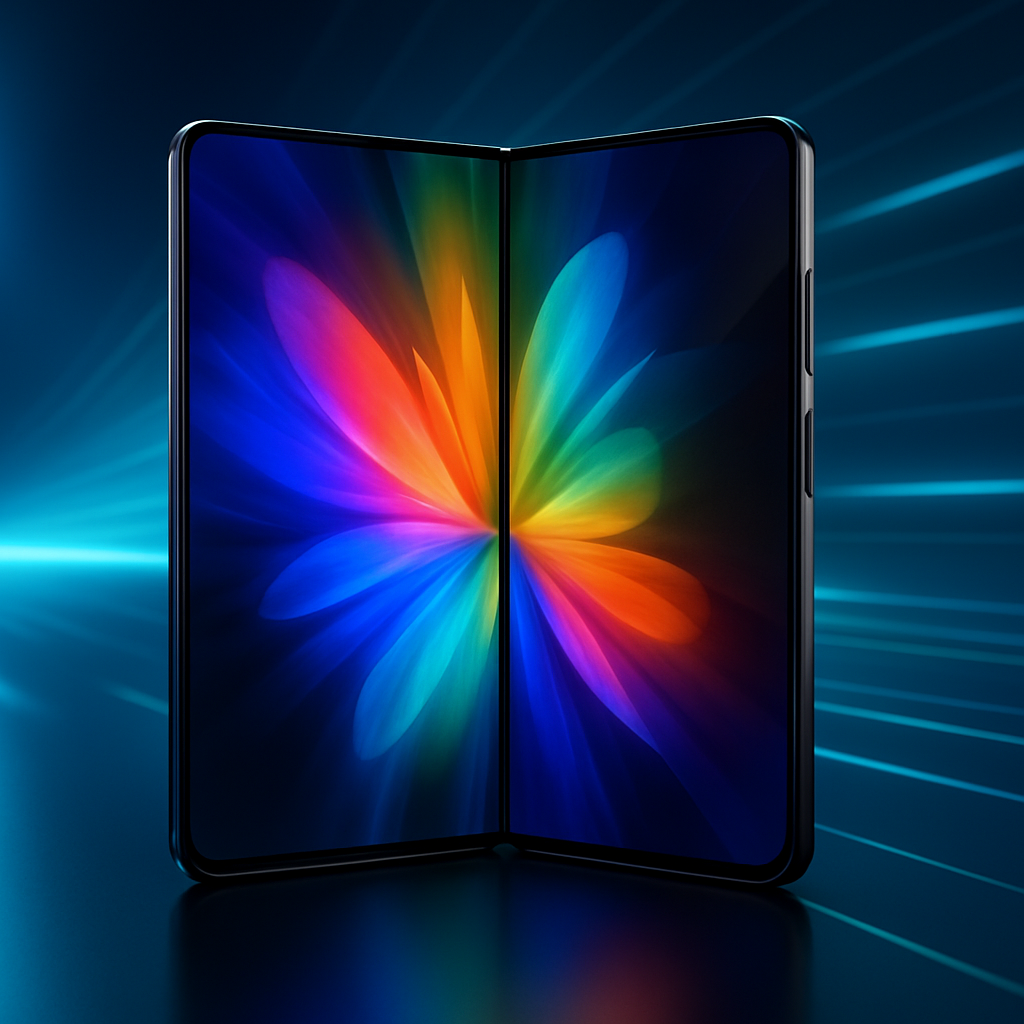
The foldable smartphone market is set to experience a significant surge in 2026, with global shipments projected to increase by 20% compared to the previous year. This growth is largely attributed to Apple’s anticipated entry into the foldable device segment, introducing its first foldable iPhone, tentatively named the ‘iPhone Ultra.’
Despite challenges in the broader smartphone industry, such as tighter supplies of logic chips and rising memory prices, the foldable sector continues to expand. Samsung is expected to maintain its leadership position, while Apple’s debut, alongside contributions from Huawei and other manufacturers, is poised to drive further growth. The fourth quarter of 2026 is identified as a pivotal period for sales, coinciding with the release of multiple foldable models.
Industry insiders highlight that the evolution towards wider foldable designs and Apple’s market entry are providing additional momentum to the category. After nearly eight years of development, foldable devices have matured, offering consumers a broader range of options and encouraging manufacturers to increase shipments.
Apple is reportedly preparing to unveil its foldable iPhone alongside the iPhone 18 Pro models this September, with plans to produce approximately 10 million units this year. However, supply chain analyst Ming-Chi Kuo suggests that pre-orders may not commence until the fourth quarter of 2026, aligning with the anticipated peak sales period for foldable devices.
Samsung’s experience indicates that early pre-order campaigns can lead to strong initial sales, but the most substantial growth is expected in the fourth quarter, as multiple brands launch their foldable models. This period presents a crucial opportunity to expand overall demand and drive shipment increases. Additionally, while consumers anticipate price hikes, demand is expected to remain robust as long as price increases are reasonable.
The entry of major players like Apple into the foldable market signifies a transformative phase for the smartphone industry. As foldable technology becomes more mainstream, it challenges traditional smartphone designs and offers consumers innovative alternatives. The success of these devices will depend on factors such as durability, user experience, and pricing strategies. Observing how established brands and new entrants navigate this evolving landscape will be key in determining the future trajectory of foldable smartphones.