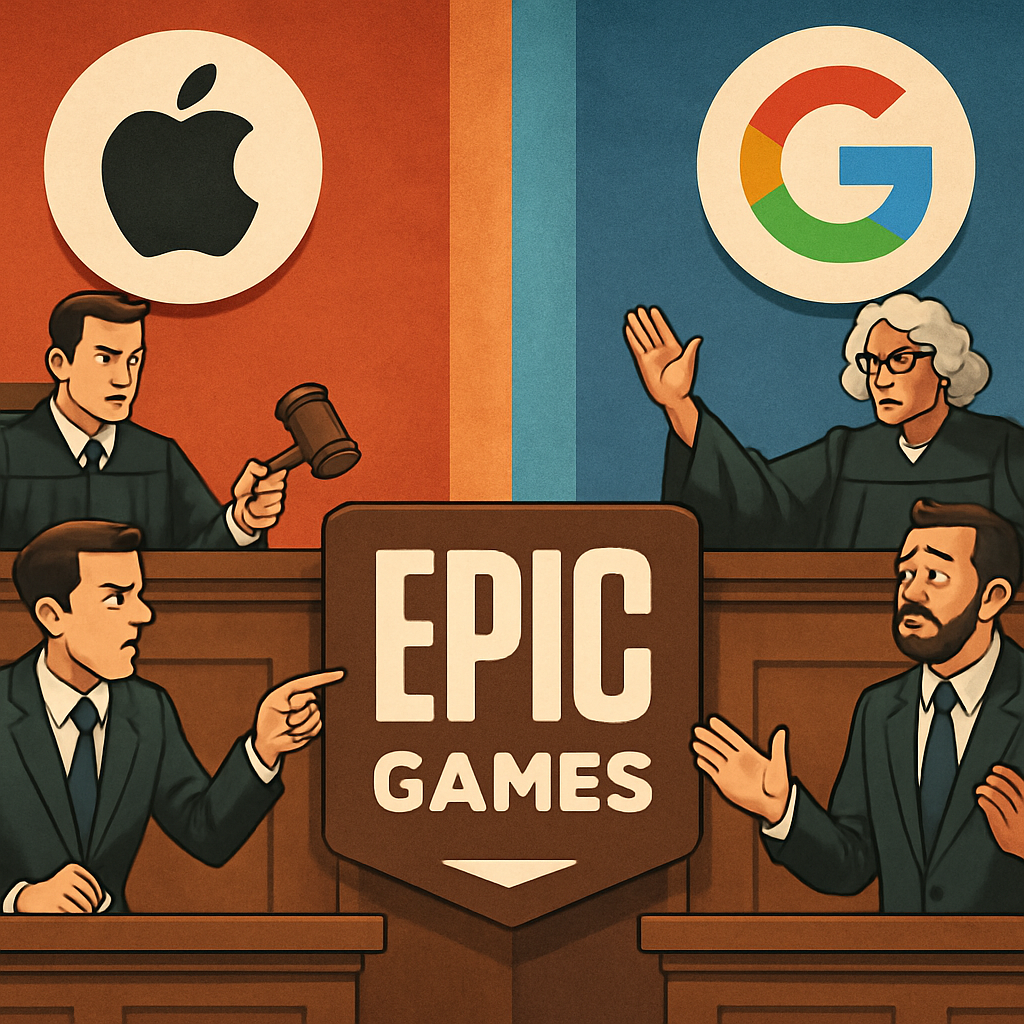
Epic Games has demonstrated contrasting approaches in its legal battles with Apple and Google, highlighting a nuanced strategy in its dealings with major tech companies.
In its ongoing lawsuit against Apple, Epic Games has consistently rejected proposed settlements that fall short of its demands. Apple recently suggested new commission rates to resolve the dispute, but Epic promptly dismissed the offer, indicating a firm stance against any compromise that doesn’t meet its full expectations. Despite this, Epic expressed willingness to participate in court-ordered settlement conferences, suggesting a readiness to engage under judicial guidance.
Conversely, Epic’s legal confrontation with Google over the Google Play Store’s practices culminated in a settlement in March 2026. This agreement introduced a revised payment structure, reducing Google’s commission to 20% or less for new and existing installations of Epic’s apps. This settlement also facilitated the return of Fortnite to the Google Play Store by March 19, 2026, marking a significant shift in the Android app distribution landscape.
The differing outcomes in these cases underscore Epic Games’ strategic flexibility. While it maintains a hardline approach with Apple, seeking substantial changes to the App Store’s policies, it has shown a willingness to negotiate and reach mutually beneficial agreements with Google. This dual approach reflects Epic’s broader objective to challenge and reshape the digital distribution norms across various platforms.
These developments highlight the evolving dynamics between app developers and platform operators. Epic’s actions may set precedents for future negotiations and legal strategies within the tech industry, potentially influencing how digital marketplaces operate and how companies navigate disputes over app distribution and revenue sharing.