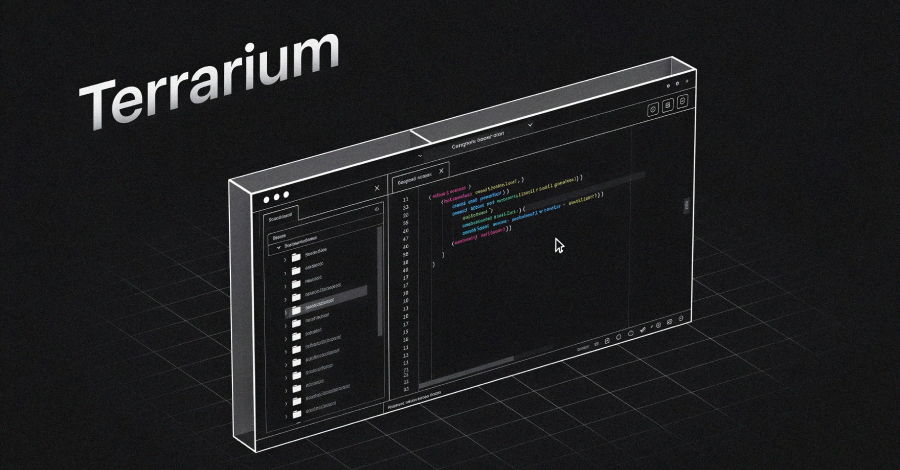
A critical security vulnerability has been identified in Terrarium, a Python-based sandbox developed by Cohere AI. This flaw, designated as CVE-2026-5752 with a CVSS score of 9.3, allows attackers to execute arbitrary code with root privileges on the host system by exploiting a JavaScript prototype chain traversal. ([thehackernews.com](https://thehackernews.com/2026/04/cohere-ai-terrarium-sandbox-flaw.html?utm_source=openai))
Understanding Terrarium and Its Functionality
Terrarium is an open-source Python sandbox designed to run untrusted code within a controlled environment. It operates as a Docker-deployed container, enabling users to execute code that may be user-generated or produced with the assistance of large language models (LLMs). The sandbox utilizes Pyodide, a Python distribution for browsers and Node.js, which supports standard Python packages. As of now, the project has been forked 56 times and has 312 stars on its GitHub repository. ([thehackernews.com](https://thehackernews.com/2026/04/cohere-ai-terrarium-sandbox-flaw.html?utm_source=openai))
The Nature of the Vulnerability
The core issue lies in the Pyodide WebAssembly environment used by Terrarium. A flaw in this environment permits a JavaScript prototype chain traversal, enabling code execution with elevated privileges on the host Node.js process. This vulnerability allows attackers to escape the sandbox’s confines and execute arbitrary system commands as the root user within the container. Consequently, unauthorized access to sensitive files, such as /etc/passwd, becomes possible. Attackers can also reach other services on the container’s network and potentially escalate privileges further by escaping the container. ([thehackernews.com](https://thehackernews.com/2026/04/cohere-ai-terrarium-sandbox-flaw.html?utm_source=openai))
Exploitation Details
Exploiting this vulnerability requires local access to the system but does not necessitate user interaction or special privileges. This means that once an attacker gains local access, they can leverage this flaw to execute arbitrary code with root privileges, leading to significant security breaches. ([thehackernews.com](https://thehackernews.com/2026/04/cohere-ai-terrarium-sandbox-flaw.html?utm_source=openai))
Discovery and Reporting
Security researcher Jeremy Brown discovered and reported this vulnerability. Given that the Terrarium project is no longer actively maintained, it is unlikely that this vulnerability will be patched. This lack of maintenance increases the risk for users who continue to rely on Terrarium for running untrusted code. ([thehackernews.com](https://thehackernews.com/2026/04/cohere-ai-terrarium-sandbox-flaw.html?utm_source=openai))
Mitigation Strategies
In light of the unlikelihood of a patch, the CERT Coordination Center (CERT/CC) recommends several mitigation strategies to protect systems from potential exploitation:
1. Disable Code Submission Features: If possible, disable features that allow users to submit code to the sandbox. This reduces the risk of executing malicious code within the environment.
2. Network Segmentation: Implement network segmentation to limit the attack surface and prevent lateral movement within the network. This approach helps contain potential breaches and minimizes the impact of an attack.
3. Deploy a Web Application Firewall (WAF): Use a WAF to detect and block suspicious traffic, including attempts to exploit the vulnerability. A WAF can provide an additional layer of security by filtering and monitoring HTTP requests.
4. Monitor Container Activity: Regularly monitor container activity for signs of suspicious behavior. Implementing logging and alerting mechanisms can help detect unauthorized actions promptly.
5. Restrict Access: Limit access to the container and its resources to authorized personnel only. Implementing strict access controls ensures that only trusted individuals can interact with the system.
6. Use Secure Container Orchestration Tools: Employ secure container orchestration tools to manage and secure containers. These tools can provide features such as automated security updates and vulnerability scanning.
7. Update Dependencies: Ensure that all dependencies are up-to-date and patched. Regularly updating software components helps protect against known vulnerabilities.
By implementing these strategies, organizations can mitigate the risks associated with this vulnerability and enhance their overall security posture. ([thehackernews.com](https://thehackernews.com/2026/04/cohere-ai-terrarium-sandbox-flaw.html?utm_source=openai))
Technical Insights
The vulnerability stems from the sandbox’s failure to adequately prevent access to parent or global object prototypes. This oversight allows sandboxed code to reference and manipulate objects in the host environment. This technique, known as prototype pollution or traversal, bypasses the intended security boundaries of the sandbox, leading to potential exploitation. ([thehackernews.com](https://thehackernews.com/2026/04/cohere-ai-terrarium-sandbox-flaw.html?utm_source=openai))
Broader Implications
This vulnerability highlights the inherent risks associated with running untrusted code in sandboxed environments. While sandboxes are designed to isolate and contain potentially harmful code, flaws in their implementation can lead to significant security breaches. Organizations must remain vigilant and proactive in identifying and mitigating such vulnerabilities to protect their systems and data.
Conclusion
The discovery of CVE-2026-5752 in Terrarium underscores the importance of continuous security assessments and the need for active maintenance of open-source projects. Organizations utilizing Terrarium should implement the recommended mitigation strategies to safeguard their systems against potential exploitation. Additionally, this incident serves as a reminder of the critical role that security researchers play in identifying and reporting vulnerabilities, contributing to the overall safety and security of the digital ecosystem.
Twitter Post:
Critical flaw in Terrarium sandbox allows root code execution and container escape. Users urged to implement mitigations immediately. #CyberSecurity #Vulnerability #Terrarium #CVE20265752
Focus Key Phrase:
Terrarium sandbox vulnerability
Article X Post:
Hashtags:
Article Key Phrase:
Category: Security News