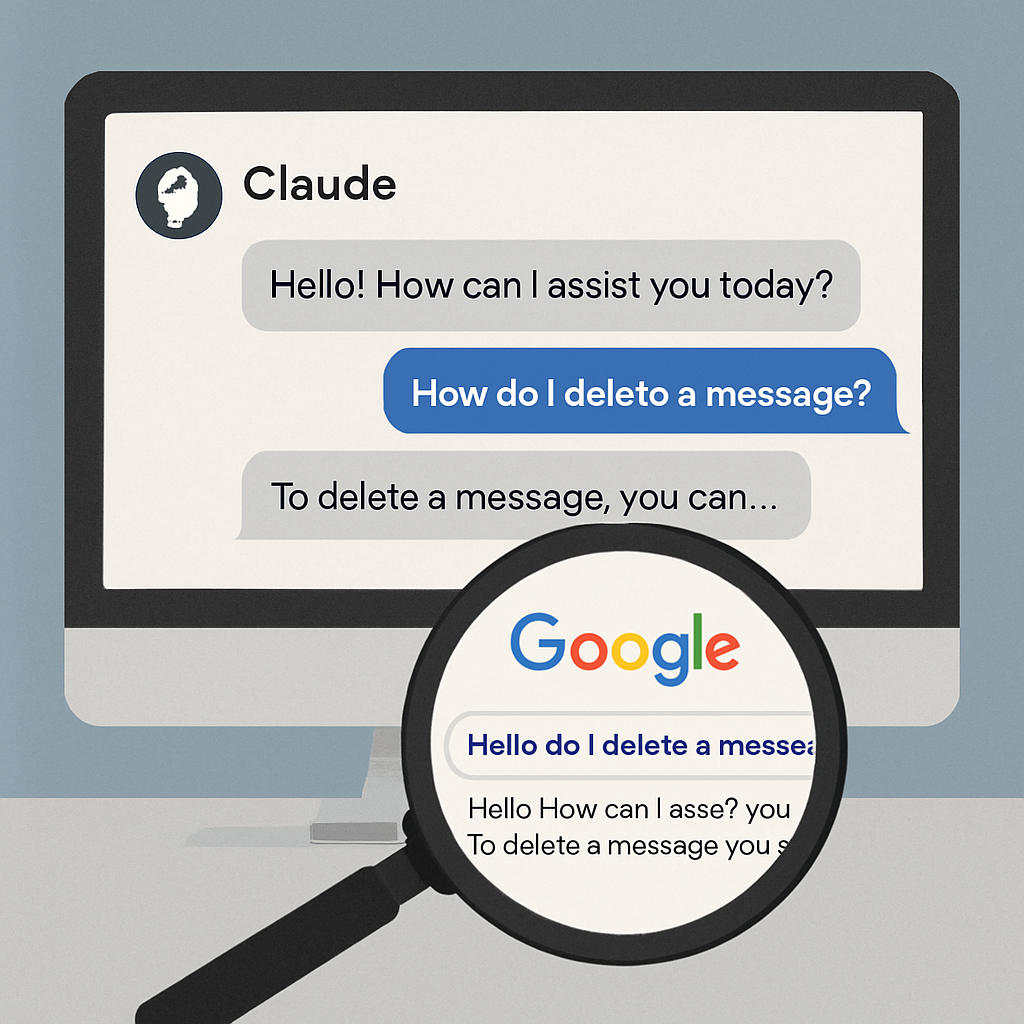
Recent discoveries have revealed that conversations shared via Anthropic’s Claude AI chatbot have been indexed by Google, making them accessible through standard search queries. This development has sparked significant privacy concerns among users who believed their shared chats were private.
Claude offers a feature that allows users to generate public links for sharing chat sessions. While this functionality is intended to facilitate collaboration, it has inadvertently led to these shared conversations appearing in Google search results. Users on platforms like Reddit have reported finding numerous Claude chat links simply by searching for ‘site:claude.ai/share’ on Google. These exposed chats encompass a wide range of topics, including sensitive information such as legal discussions, technical troubleshooting, and personal data.
The root of the issue lies in the absence of ‘noindex’ tags on the shared chat pages. These tags are standard web instructions that prevent search engines from indexing specific pages. Without them, search engines like Google and Bing can index and display these pages in search results. Anthropic, the developer of Claude, has stated that they do not share chat directories or sitemaps with search engines. However, the lack of ‘noindex’ tags means that any publicly shared link can still be indexed if it appears elsewhere on the web.
In response to the situation, Anthropic has taken steps to block search engines from accessing shared chat logs. Despite these measures, the incident underscores the importance of user awareness regarding the implications of sharing public links. Users should exercise caution when generating public links and ensure they understand that such links can be indexed by search engines, potentially exposing sensitive information.
This incident highlights the broader challenges associated with privacy in the era of AI chatbots. As these tools become more integrated into daily workflows, it is crucial for developers to implement robust privacy safeguards and for users to be vigilant about how they share and manage their data. The situation serves as a reminder of the delicate balance between functionality and privacy in the digital age.