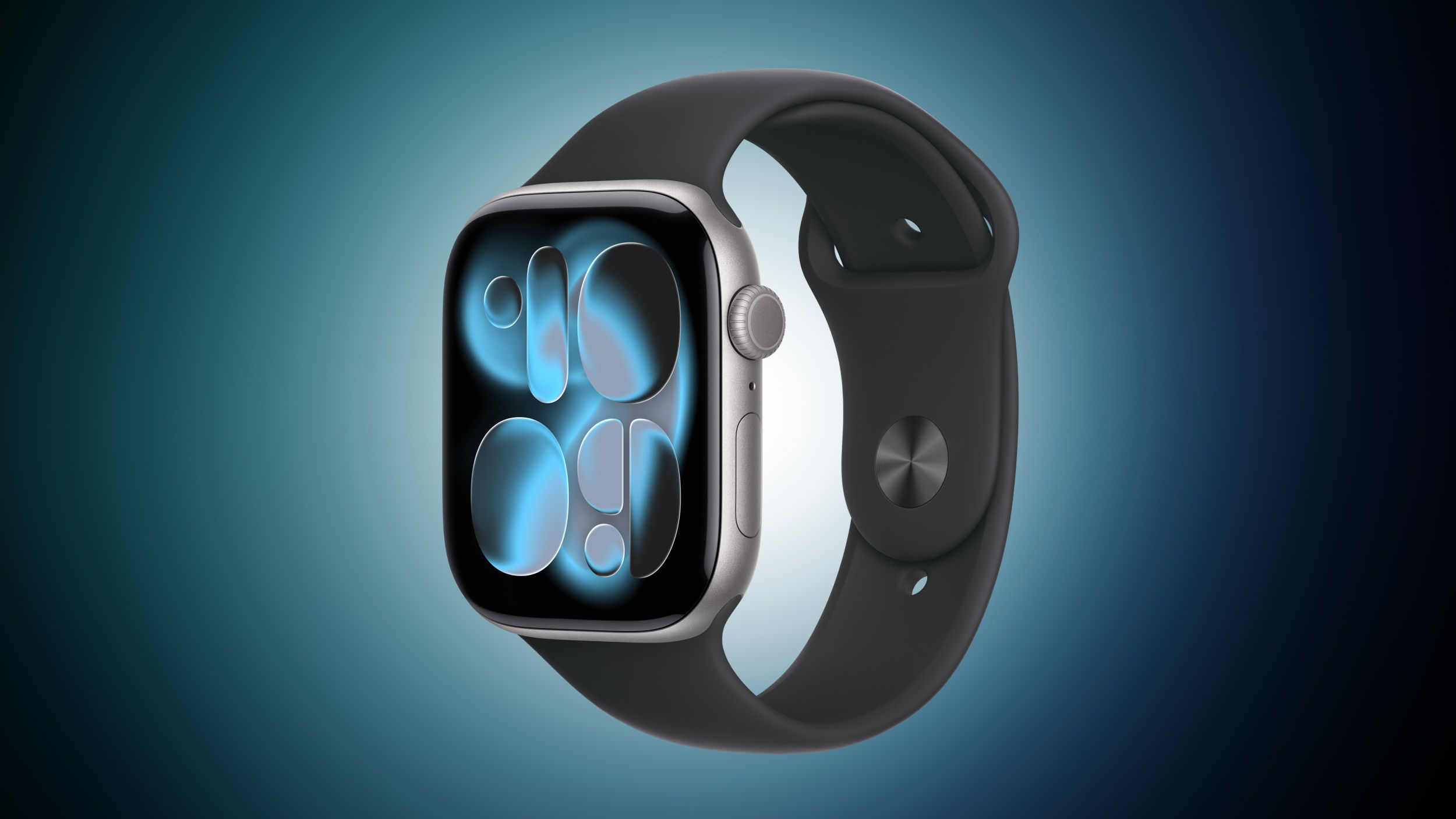
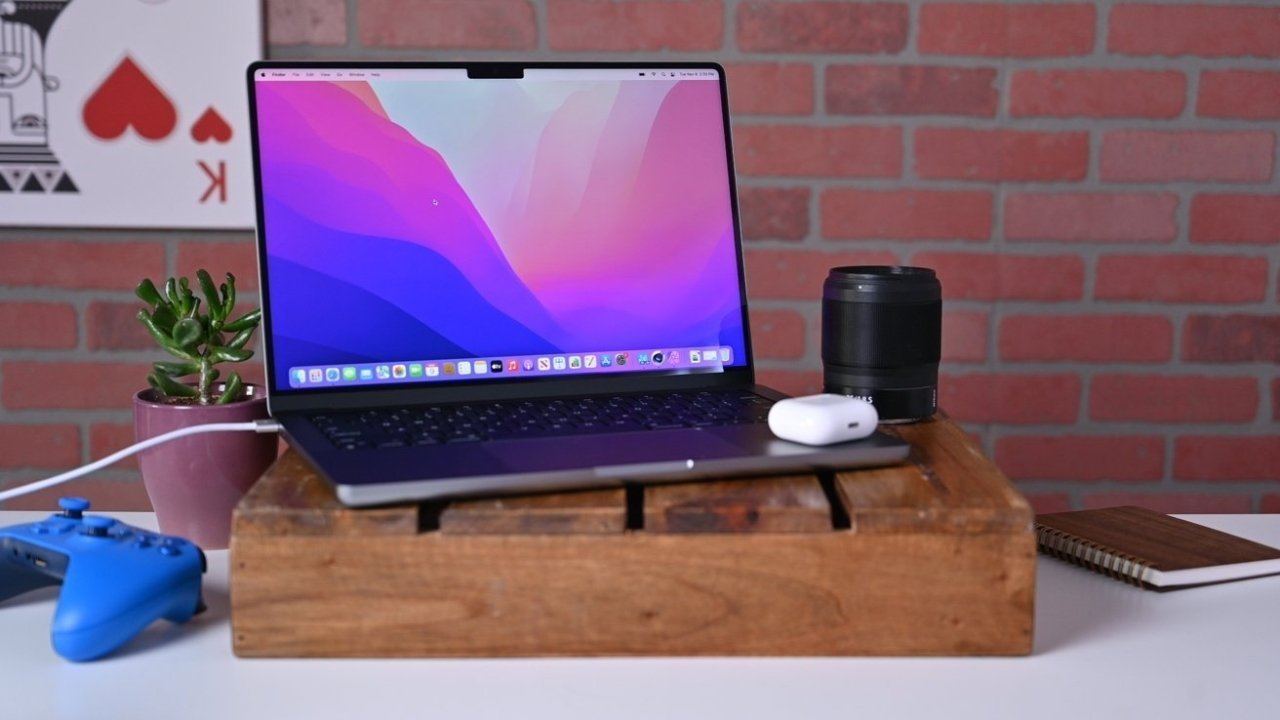
Apple has introduced ‘Apple Upgrade,’ a new leasing program available in the United States starting today. This initiative allows customers to lease various Apple products, including iPhones, Macs, iPads, and Apple Watches, with flexible terms and upgrade options.
Program Details and Eligibility
The ‘Apple Upgrade’ program offers leasing terms of 12 or 24 months for iPhones and Apple Watches, and 24 or 36 months for Macs and iPads. Monthly payments vary based on the device and lease duration. For example, leasing an iPhone 17 Pro 256GB costs $31.99 per month over 24 months or $45.99 per month over 12 months. Similarly, a MacBook Pro with 16GB RAM and 1TB storage is available for $38.99 per month over 36 months or $53.99 per month over 24 months.
Customers can choose to upgrade to a new device, purchase the current device outright, or return it at the end of the lease term. Early upgrades or exits from the program are possible by paying the remaining balance of the lease without additional fees or interest.
Not all Apple products are eligible for this program. Excluded devices include the iPhone 16, iPhone 16 Plus, Apple Watch SE, MacBook Neo, Mac mini, iPad (A16), and Studio Display.
Partnership with Klarna and Credit Approval
Apple has partnered with Klarna, a Swedish financial services company, to manage the leasing program. Customers will undergo a soft credit check during the application process, which does not impact their credit score. Once approved, payments and account management are handled through the Klarna app.
AppleCare+ and Trade-In Options
Unlike previous programs, ‘Apple Upgrade’ does not include AppleCare+ by default. However, customers can add AppleCare+ for an additional monthly fee or include their device in an existing AppleCare One bundle.
Trade-in options are available to reduce monthly lease payments. Customers can trade in eligible Apple devices and Android phones during the checkout process to lower the overall cost of the lease.
By introducing ‘Apple Upgrade,’ Apple aims to provide customers with more flexible and affordable options for accessing its latest products. This program reflects a broader industry trend towards subscription-based models, offering consumers the ability to stay current with technology without the commitment of outright ownership. As the tech landscape evolves, it will be interesting to see how consumers respond to this shift and how it influences purchasing behaviors in the long term.