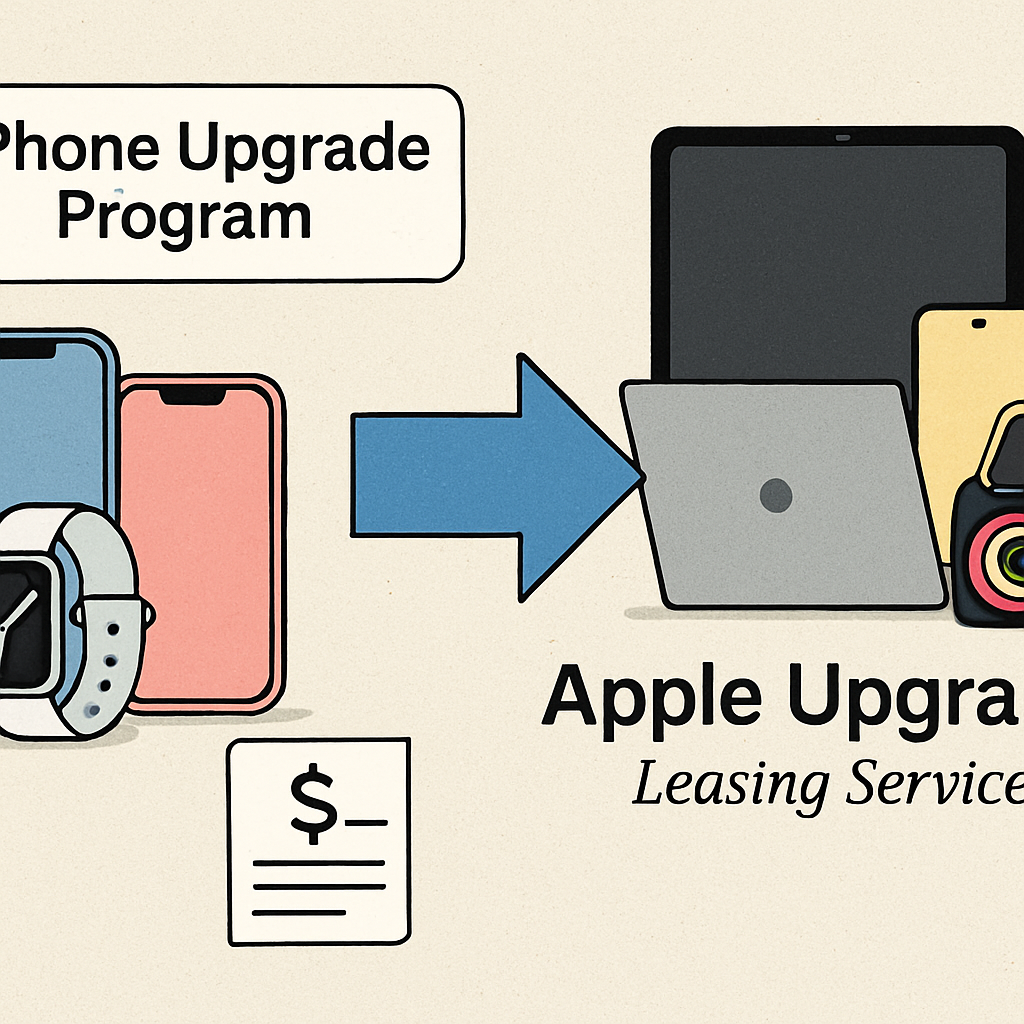
Apple has officially discontinued its iPhone Upgrade Program, replacing it with a new leasing service called ‘Apple Upgrade.’ This transition marks a significant shift in how customers can acquire Apple devices, including iPhones, iPads, Apple Watches, and Macs.
The iPhone Upgrade Program, introduced in 2015 alongside the iPhone 6s and 6s Plus, allowed customers to finance their iPhone purchases through monthly payments over a 24-month period. After making 12 payments, participants had the option to upgrade to a new iPhone model. This program was backed by Citizens One and included AppleCare+ coverage as part of the monthly installment.
In contrast, the newly launched Apple Upgrade program operates on a leasing model in partnership with Klarna, a ‘buy now, pay later’ service. Under this arrangement, customers can lease various Apple devices for specified terms: 24 months for iPhones and Apple Watches, and 36 months for iPads and Macs. Notably, lower-priced devices such as the Apple Watch SE, entry-level iPad, iPhone 16, and MacBook Neo are excluded from this program.
Unlike its predecessor, Apple Upgrade does not include AppleCare+ coverage in the monthly payments. Instead, customers have the option to purchase AppleCare+ separately. Additionally, at the end of the lease term, participants can choose to upgrade to a newer device, purchase the leased device outright, or return it and exit the program.
Existing members of the iPhone Upgrade Program will need to consider alternative options once they become eligible for a new device. Apple has outlined several pathways: enrolling in the Apple Upgrade leasing program, financing through Apple Card Monthly Installments, purchasing the device outright, or opting for carrier financing.
This strategic move reflects Apple’s response to evolving consumer preferences and market dynamics. By shifting from a financing model to a leasing structure, Apple aims to offer more flexible and potentially more affordable options for customers seeking to access the latest technology without committing to full ownership. However, this change also raises questions about the long-term value proposition for consumers, particularly regarding device ownership and the inclusion of services like AppleCare+. As the tech industry increasingly embraces subscription and leasing models, it will be crucial for consumers to assess the benefits and drawbacks of such programs in alignment with their individual needs and financial considerations.