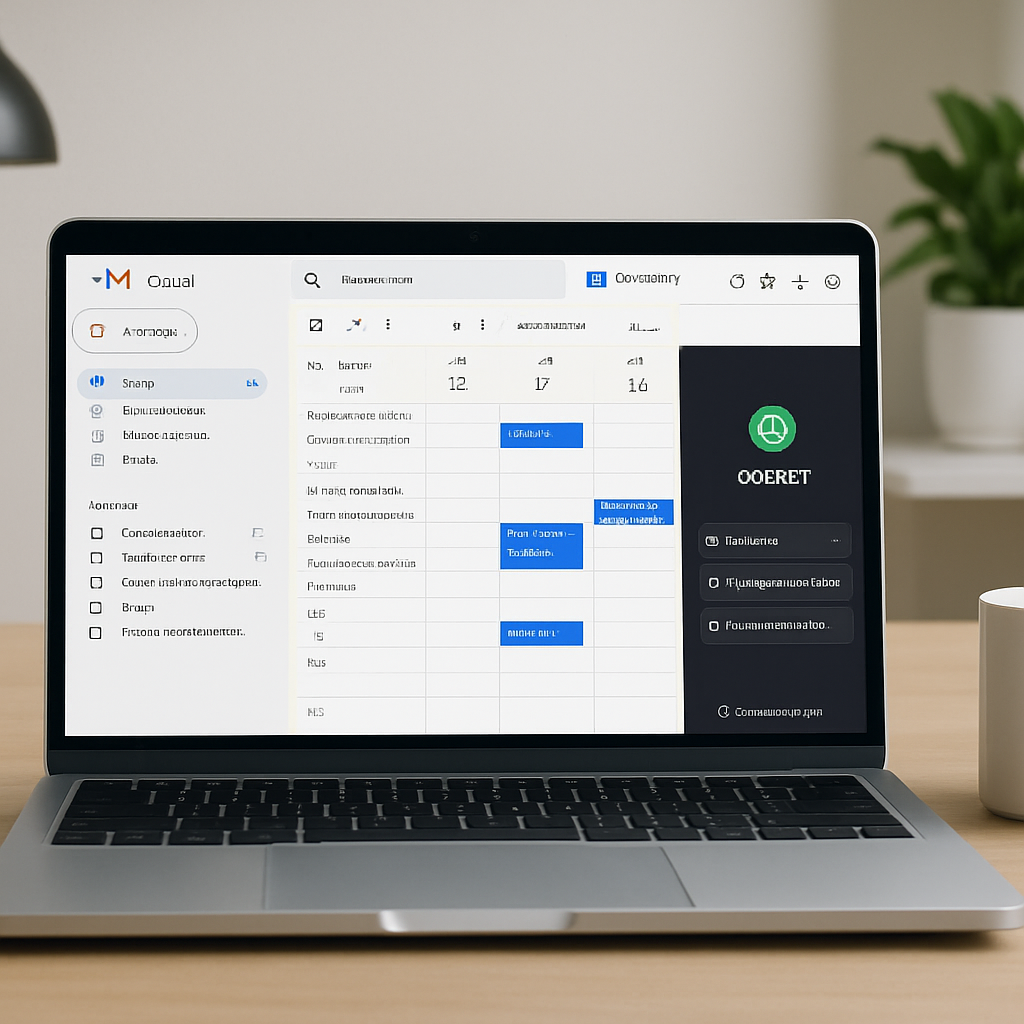
OpenAI is rolling out support for multiple Gmail, Google Calendar, and Google Contacts accounts within ChatGPT and Codex. This update allows users to connect more than one Google account per plugin—such as separate personal and work inboxes or calendars—where previously only a single account was supported. The change is effective as of August 28, 2026.
The multi-account support must be enabled through the side-bar: users need to go to the Plugins tab, find the Gmail, Google Calendar, or Google Contacts plugin already connected, click the gear icon, then follow the usual Google authorization flow to add a second or even third account.
How It Changes Real-World Use
For people balancing work and personal lives, this update can streamline workflows. Instead of switching between accounts or limiting interactions to one Google profile, users can now have prompt access to different calendars, emails, and contacts depending on context. For example, ChatGPT may pull info from a work Gmail address for work-related tasks while drawing on a personal calendar for non-work scheduling.
Permissions and security remain under Google’s control. The permissions each connected account grants still follow Google’s rules and any workplace or organization’s admin settings, which means some users may see restrictions depending on their plan or organizational policies.
What to Check Before You Dive In
If you plan to use multiple Google accounts with ChatGPT or Codex, it’s wise to review your plugin settings and account permissions. Getting the right authorizations, and making sure your organization’s Google policy allows connections will be key. If policies restrict what external apps can access, that might limit what this feature can do for you.
Also, be mindful that connected accounts allow ChatGPT to draw from multiple sources: your emails, calendar entries, and contact lists. While that improves context and flexibility, it also raises considerations around privacy and security. Always check what information you’re comfortable sharing.
This update marks a step toward making ChatGPT and Codex more usable across the different areas of your digital life—work, personal, side projects—without juggling multiple signed-in sessions. By letting users plug in multiple accounts, it reduces friction and increases utility.
Analysis:This multi-account support bridges a gap that’s frustrated many users who split time between personal and professional workflows. It’s part of a broader trend in generative AI toward tighter integrations with productivity tools, especially from major cloud providers. What to watch: whether OpenAI extends this functionality to shared group workspaces, and how it handles data segregation—two areas where users often worry. Also important is how Google’s enterprise controls will shape what’s possible for users behind corporate firewalls or under tight privacy rules.