With its announcement set for September 9, the Apple Watch Ultra 4 promises to stand apart from previous models through key upgrades in sensors, processing, and possibly design. Rumored improvements indicate Apple is leaning into health, AI, and performance in a way that could redefine what users expect from a wearable. Here’s what we know so far.
Major Sensor Overhaul for Health Tracking
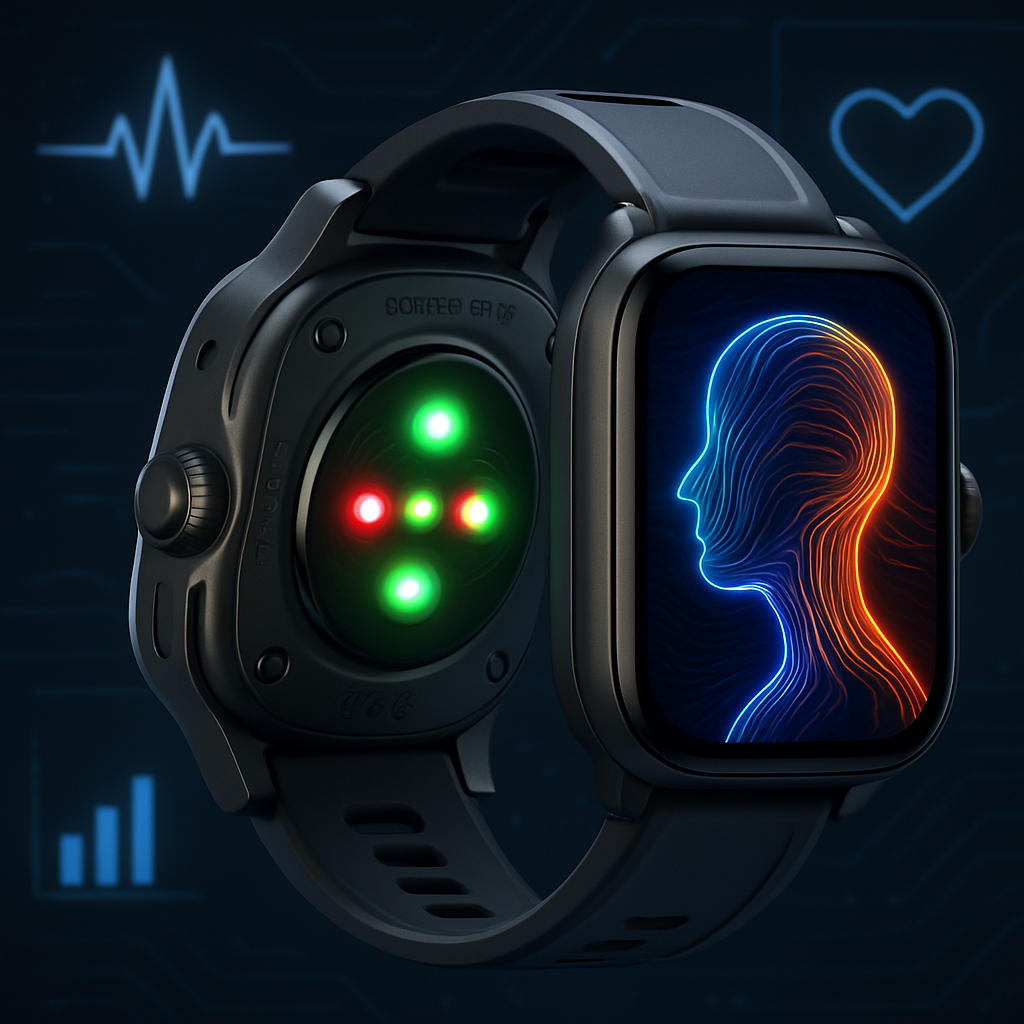
One of the biggest changes in the Ultra 4 is believed to be a dramatic expansion of its internal sensors. According to reports, the number of sensor components may double versus current Ultra models. Leading outlets suggest the watch will pack more health and fitness capabilities than ever before, potentially including a blood pressure–related feature that’s already under FDA review. These enhancements hint at an interface going well beyond basic vitals, aiming to deliver medical-grade insight from the wrist.
An All-New S-Class Chip, Built for AI
For several years, Apple Watch updates have leaned on iterative upgrades rather than radical leaps in performance. That may change with Ultra 4 and Series 12, which are expected to ship with a new S-series chip—likely named S11 or S12—marking Apple’s first major processing upgrade since 2023. This silicon improvement is timed to align with the rollout of Siri AI in watchOS 27, suggesting Ultra 4 could be Apple’s first wearable built for generative and on-device AI workloads.
Design: Subtle vs. Significant?
Rumors surrounding Ultra 4’s design are mixed. Some reports indicate a full redesign is in the works; others claim Ultra 4 will largely follow earlier models’ looks, with only minor tweaks. One confirmed addition: a ceramic casing option is expected for the Series 12 line. It’s possible Ultra 4 could offer something similarly premium or unique. Until official imagery drops, though, the design question remains open.
The Ultra 4 appears poised to be more than just a battery, screen, or strap refresh—all signs point to major shifts in how Apple intends its high-end smartwatch to function. As new sensors arrive, and a chip built for AI sets the stage, this could be the model that lets Apple push further into health tech and wearable computing. What remains to be seen: how accurate the sensors are, how GPS, battery life, and ruggedness evolve, and whether the design will make the bold statement some users expect.