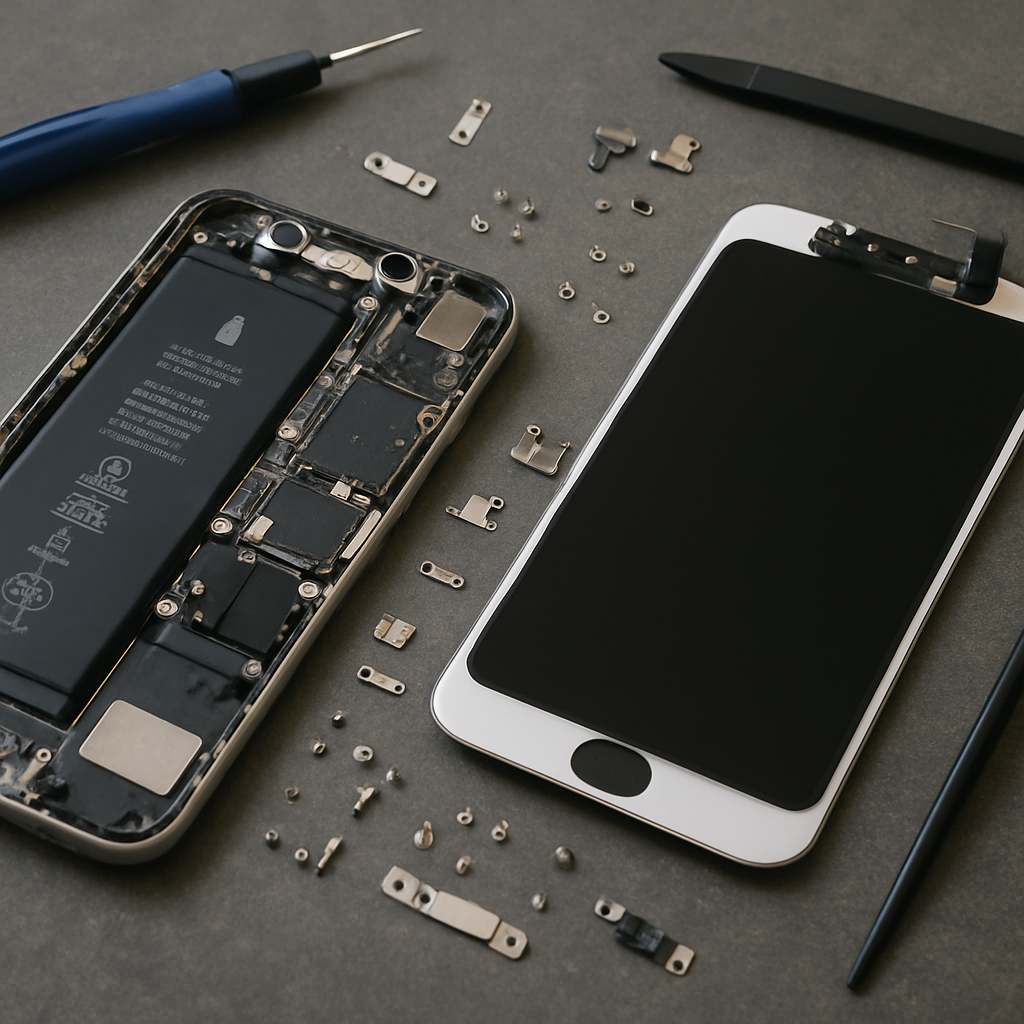
A California appeals court has brought back a lawsuit accusing Apple of pressuring customers to avoid independent repair shops. The lawsuit, initially filed in 2022, claims Apple told users that having a cracked iPhone screen fixed by anyone other than Apple would void their warranty—leading some to pay full price for Apple’s own repair service. The court’s order addresses decades-old policies that limited access to repair parts, manuals, and software. It also targets terms tying warranty coverage to use of authorized repair channels.
Background: The Claims
Plaintiffs Jesse Granato and Janice Zarad alleged that in 2021 an Apple employee told them that using a third-party repair service would void their iPhone warranty. After being steered away from using an independent repair shop, they claim they ended up paying more by going through Apple directly. The suit alleges Apple went further by making warranties conditional on using only its own repair services or those it authorized—while denying or discouraging in-warranty service through third parties.
The lawsuit also says Apple inflated repair costs by withholding necessary repair tools—including parts, software, and documentation—if repairs were performed outside the Apple-authorized ecosystem. Another legal claim invokes the Magnuson-Moss Warranty Act of 1975, arguing Apple instructed authorized repair shops to refuse warranty-covered repairs if third-party repairs had occurred elsewhere.
What the Court Ruled
Earlier, the lawsuit was dismissed by a Santa Clara Superior Court judge who ruled the plaintiffs did not have standing under California’s unfair competition law. The appeals court disagreed. In August 2026, the Sixth Appellate District unanimously restored the lawsuit, finding that the plaintiffs’ allegations sufficiently plead an unfair competition claim. The court said Apple’s practices at the time “substantially injure consumers” by making repairs more expensive and by encouraging product replacement instead of facilitating repair.
The court noted that while the plaintiffs referenced California’s Right to Repair Act—signed into law in 2024—this law came into effect only after the suit was filed. Though the law aims to expand independent repair options (Apple supported it), it doesn’t retroactively validate claims. The court also weighed the Magnuson-Moss Warranty Act claim, highlighting that Apple allegedly prevented warranty service through authorized repair shops when third-party repairs were done.
The decision remands the case to a lower court, where it will proceed further. The appeals court held that the plaintiffs have adequately shown harm under unfair competition law and that Apple’s previous repair-related policies may violate both state and federal warranty statutes.
Amid broader public debate over Right to Repair legislation, Apple has gradually relaxed its restrictions. But this ruling underscores that past practices are still under legal scrutiny—and may still cause liability.
Why This Case Matters
This case isn’t just about cracked screens. It plays into larger debates about consumer rights, planned obsolescence, and corporate control over repairs. Right to Repair laws are expanding—both in California and nationally—with many arguing that giving consumers choice and access to repairs drives down cost and environmental impact. If Apple’s earlier repair policies are found unlawful, the consequences may affect warranty practices, repair access, and how repair ecosystems evolve for all major tech manufacturers.