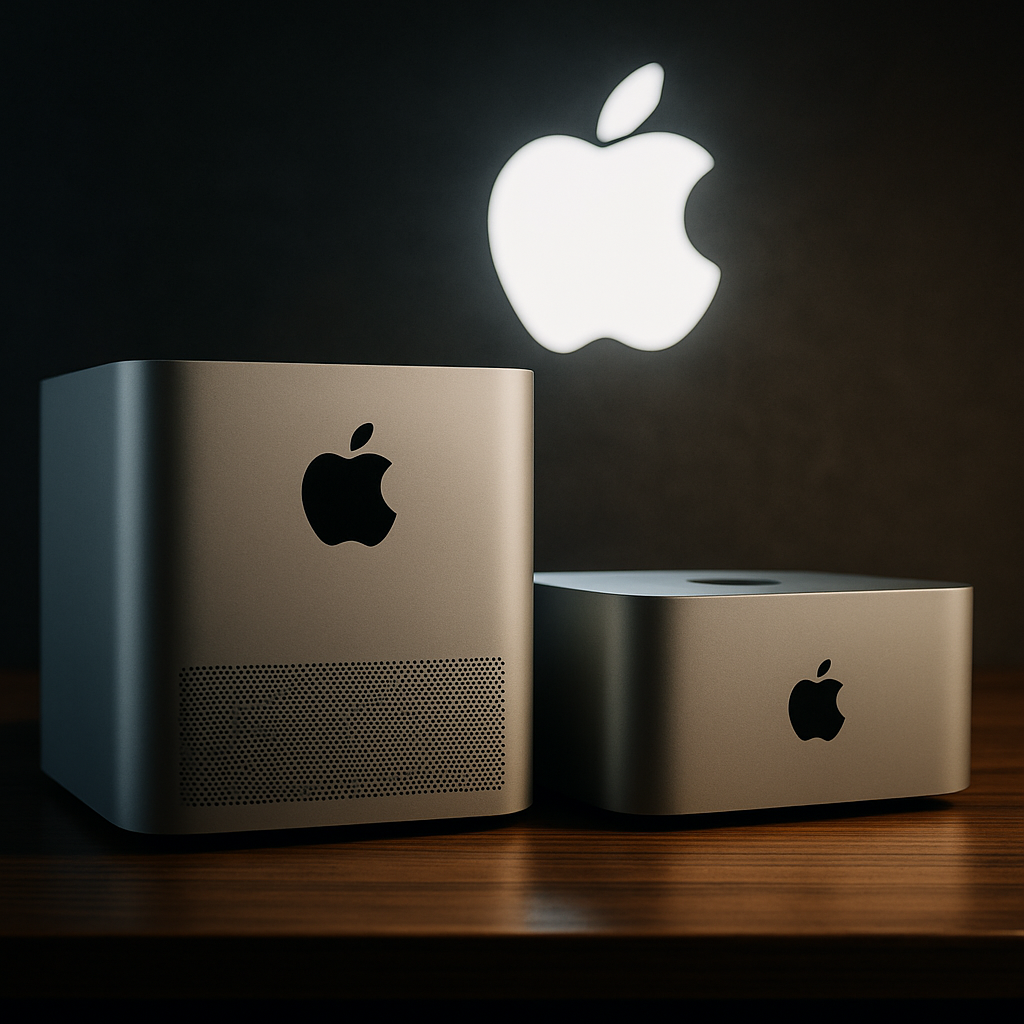
This week marks a shift in Apple’s usual rhythm. Mac updates dropped earlier than expected—before the company’s September event—with new Mac Studio, Mac mini, and M-series silicon announcements catching many off-guard. Traditionally, Macs make headlines in October after the iPhone reveals, but this year the schedule has been flipped. Analysts suggest Apple is trying to decompress its launch calendar and reserve its marquee events for products beyond incremental upgrades.
Why the new timing
Apple’s summer launch drought in Mac hardware seemed unbroken—until now. It has been years since a Mac product released in August; in 2020, an iMac was the last. Subsequent years saw Macs debut in summer too, but nothing major in the warmth of late summer months until this week. The surprise burst of Mac news meant launches were effectively covered live, without the typical prep work or built-in anticipation.
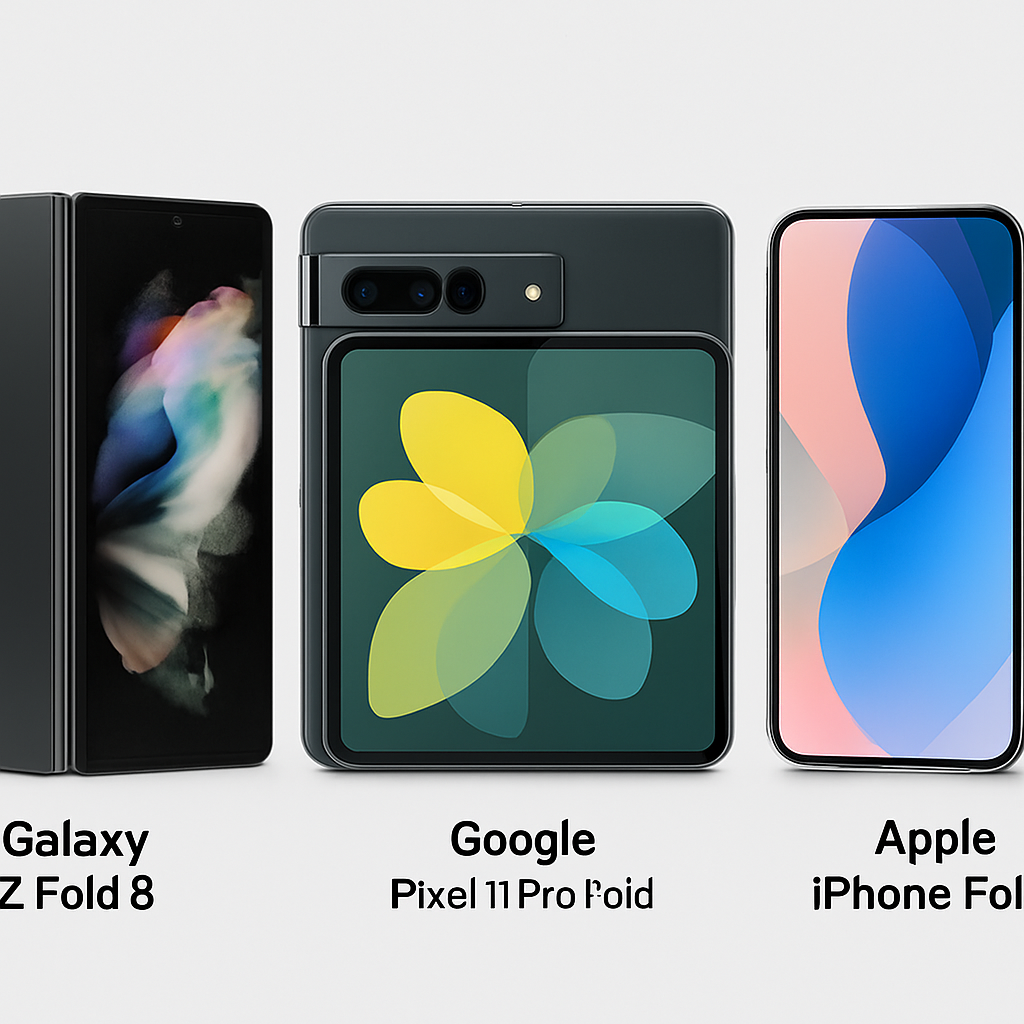
This early drop may allow Apple to split its fall footprint into two leaner events. With Mac updates already underway, the September gathering could spotlight new iPhones, while an October event might collect smaller refreshes like MacBooks or perhaps iPad minis. Some expect a folding iPhone to take center stage later in the fall.
The leadership hand-off: Cook to Ternus
Alongside product shifts, Apple is on the cusp of a major leadership change. Tim Cook is preparing to relinquish his CEO title to John Ternus, Apple’s hardware chief. The transition was announced months ago, but as the official handover nears, media coverage is intensifying.
Expect retrospectives on Cook’s legacy—his wins, missteps, and moments that reshaped Apple. Coverage will also zoom in on Ternus: who he is, how he may steer the company, and which executives might be reshuffled under his leadership. The company itself is keeping its public messaging measured—think press releases and staff acknowledgments, rather than major theme moments. September’s event will likely serve as the stage where Ternus becomes more visible to the public.
Amid all this, there’s a quiet strategy unfolding. Apple seems to be shifting its product cadence, untethering Macs from the traditional fall spectacle. Coupled with the impending CEO transition, this period could mark a more modular, less event-centered future. With fewer new Macs left for 2026 and big hardware like folding iPhones on the horizon, Apple is clearly laying the groundwork for what comes next.
What this means: Apple is rethinking how and when it launches. The headliner events—in September and beyond—will need to bring the weight. For developers, consumers, and investors, this could mean looking beyond keynote snapshots to longer arcs: product trajectories, executive vision under Ternus, and how Apple manages its innovation pipeline across time, not just in bursts.