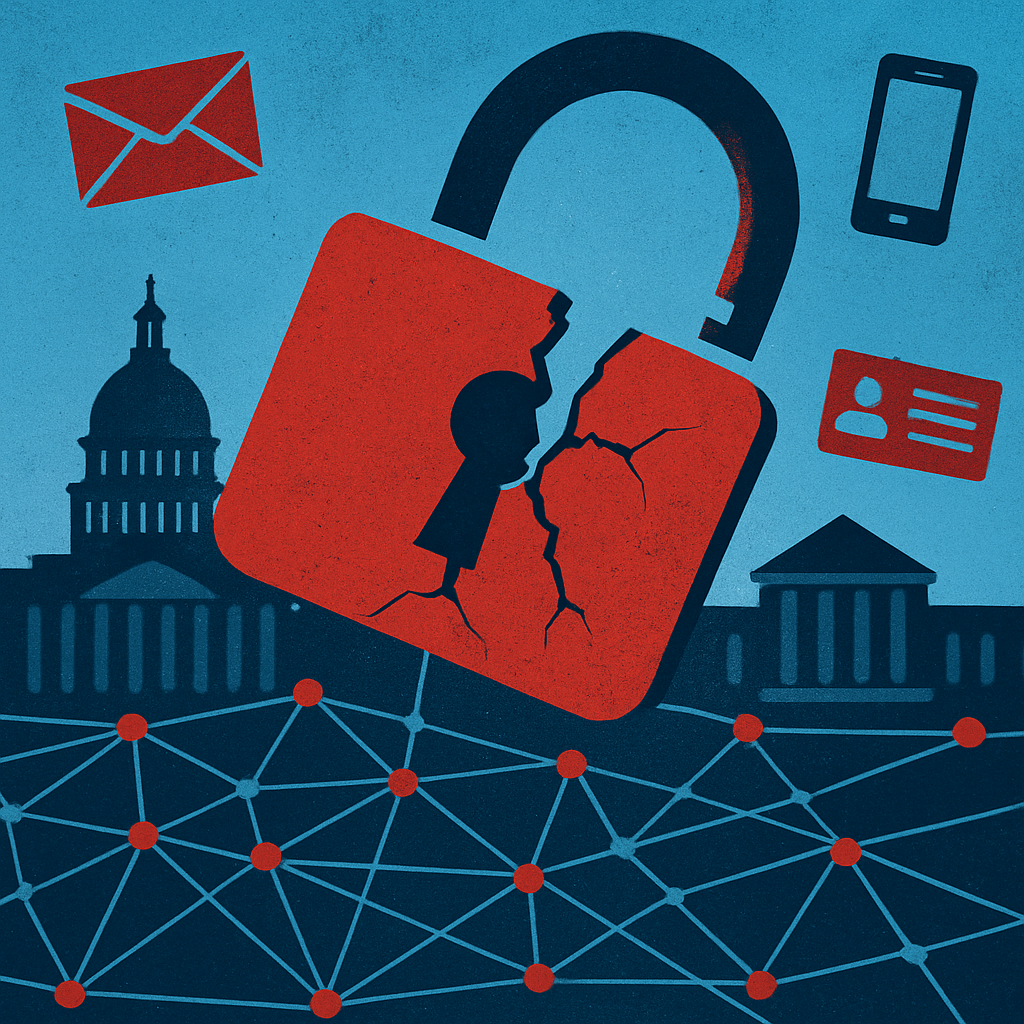
Japan’s Digital Agency has disclosed a major data breach on its Government Solution Service (GSS), an IT platform shared by multiple ministries and government entities. Attackers took advantage of a known vulnerability in a VPN appliance, gaining unauthorized access to internal servers and compromising personal information belonging to more than 240,000 people. This marks one of the most significant government data incidents in Japan in 2026. The agency confirmed the breach on September 11.
How the Intrusion Played Out
The agency first detected suspicious activity on June 25, when files on a GSS server were accessed with credentials belonging to maintenance staff. The attackers had actually infiltrated the system as early as late May—leaving the breach undetected for nearly a month.
An external cybersecurity firm helped trace the incident to a vulnerability in a VPN device. Although the flaw was not a zero-day, it was rated medium severity and reportedly had a patch available before the attackers used it. The lapse in patch management is now under scrutiny.
What Data Was Exposed and Who Was Affected
The breached files included names, emails, phone numbers, and physical addresses. About 189,000 of the exposed records belong to employees and public officials working directly for GSS organizations, while around 57,000 records were tied to contractors and businesses.
More specifically, the exposed data breaks down to approximately 236,000 names, 231,000 email addresses, 94,000 phone numbers, and roughly 1,000 physical addresses. The agency said sensitive identifiers—such as “My Number” IDs, bank or pension information—were not part of the exposure. Data of the general public was also not affected.
No misuse of the exposed information has been confirmed yet, though authorities warned that the details could be used in phishing campaigns, especially with impersonation of the agency or related organizations. Affected individuals are being notified as investigation continues.
Aftermath and Response Measures
Upon confirming the breach on July 9, the agency disabled the compromised account and disconnected the impacted systems from external networks to limit further intrusion. The long delay—from late May until detection in late June then public announcement in September—has sparked criticism around how government agencies manage notification and vulnerability updates.
The agency has pledged to revamp its vulnerability management and strengthen security around external access points. Ensuring rapid patch deployment and stricter controls over VPN exposure are expected to be key priorities moving forward.
This breach also raises broader concerns about how shared IT infrastructure can become a major risk vector when vulnerabilities in commonly used components go unpatched. Government agencies worldwide are likely to feel the ripple effects of this incident—both in policy and practice.
What this means:The breach serves as a wake-up call on the importance of managing VPN vulnerabilities and ensuring prompt patching of known flaws. For Japan’s government, the stakes are especially high: beyond public trust, agencies must now prove they can safeguard internal systems and respond swiftly to threats. We’ll be watching for upcoming reviews of agency-wide security protocols and whether broader reforms take hold in Tokyo and across national government bodies.