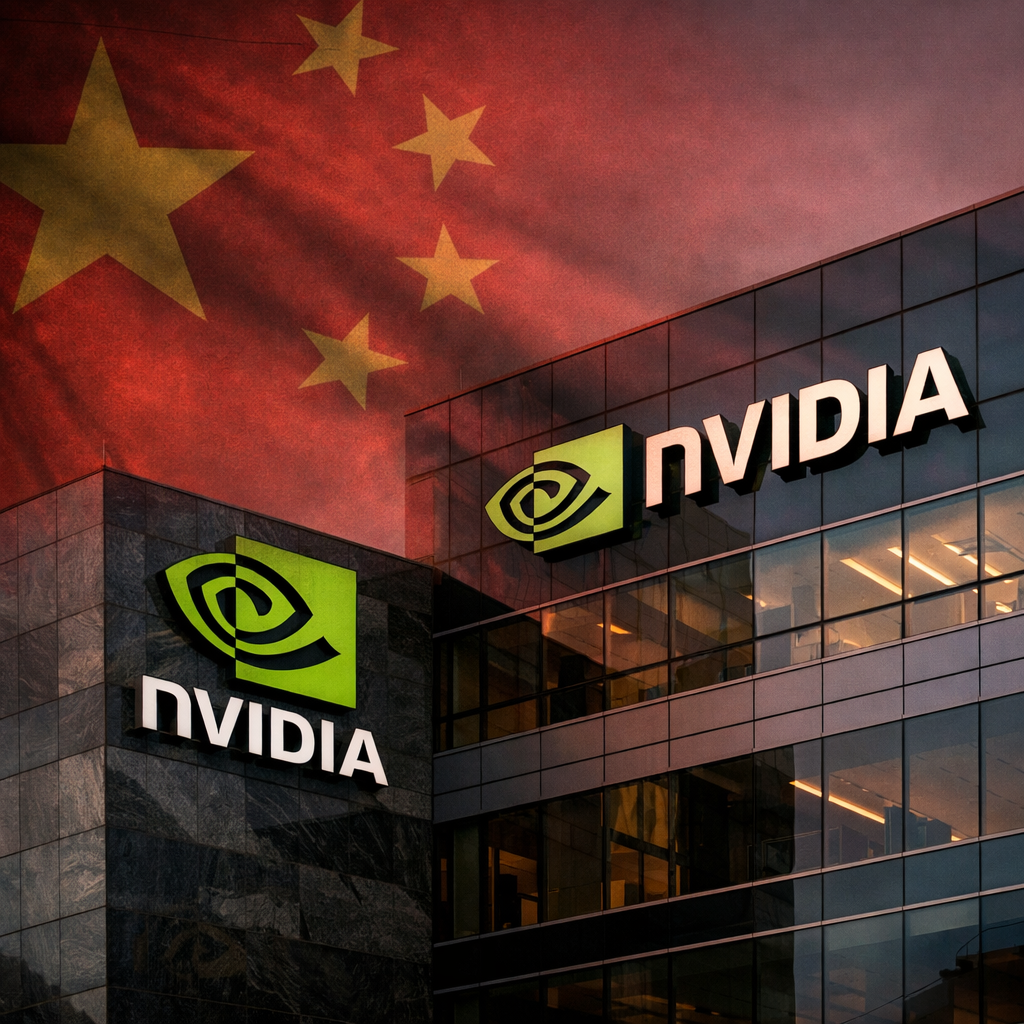
California Attorney General Rob Bonta has issued an investigative subpoena to Nvidia following reports that former CEO Jensen Huang was involved in a relationship with a Chinese national whom the U.S. government suspects of being an intelligence operative. The legal action aims to determine whether Nvidia improperly shared advanced GPU technology or classified data with China, or misled investors and the public about those risks.
Bonta’s office is examining whether Huang’s conduct may have enabled China to gain access to state-of-the-art chips or confidential Nvidia information. The probe also seeks to establish whether Nvidia violated securities laws by failing to disclose possible threats tied to Huang’s personal associations. His concerns focus on whether internal disclosures by the company adequately reflected the potential national security implications.
Company Upheaval Follows Accusations
The allegations come amid a storm of scrutiny for Nvidia. Jensen Huang stepped down from his CEO role last week following revelations about multiple extramarital affairs, including the relationship with Alice Huang—an individual who shares his surname but is not related. Company insiders and tech observers have publicly debated whether Huang’s departure hampers Nvidia’s leadership in the AI sector. Despite pressures, the newly appointed chair, Harvey Jones, has confirmed there are no plans to reinstate Huang as CEO.
In response to mounting concerns, Nvidia’s board has retained external legal counsel and appointed independent directors to assess the scale of the damage. Federal authorities are also investigating Alice Huang’s connections to the Chinese government. Congress is preparing its own inquiry, and the Securities and Exchange Commission is reportedly examining whether the company misled shareholders through insufficient public disclosure. Members of Congress have also raised alarms about past chip sales to China during the previous administration, calling for relevant records and asserting that certain transactions may have violated laws.
Wider Implications and Reactions
Bonta emphasized that regardless of the intrigue, the case underscores a clear legal standard: companies must honestly disclose risks to investors. He has framed Nvidia’s situation as part of a broader issue of corporate transparency and national security. Huang has committed to testifying before Congress in the near future, following multiple threats of subpoena by legislators.
In sum, the subpoena from the California AG adds to a growing network of state, federal, and legislative probes into Nvidia. What began as allegations over personal misconduct have quickly escalated into questions of export control, investor protection, and geopolitical risk—all turning Nvidia into a case study in how private behavior can intersect with public exposure.
What this matter means: the outcome could redefine expectations for corporate disclosures, especially for firms deeply intertwined with both commercial innovation and national policy. It poses a test for how U.S. regulators balance privacy, individual misconduct, and the collective interest—especially when international relations and technology transfer loom large. Keep an eye on forthcoming testimony, Congressional reports, and whether Nvidia’s past disclosures withstand legal scrutiny.