Nvidia’s sudden ouster of co-founder and CEO Jensen Huang has prompted deep scrutiny of his leadership style, with many former employees alleging a culture built on fear rather than respect. While some staffers have signed letters calling for his reinstatement, others have come forward with serious accusations of verbal abuse, humiliation, and threats. The question now facing Nvidia—valued once at $5 trillion—is whether its towering success masked a toxic power structure.
Severity of the Allegations
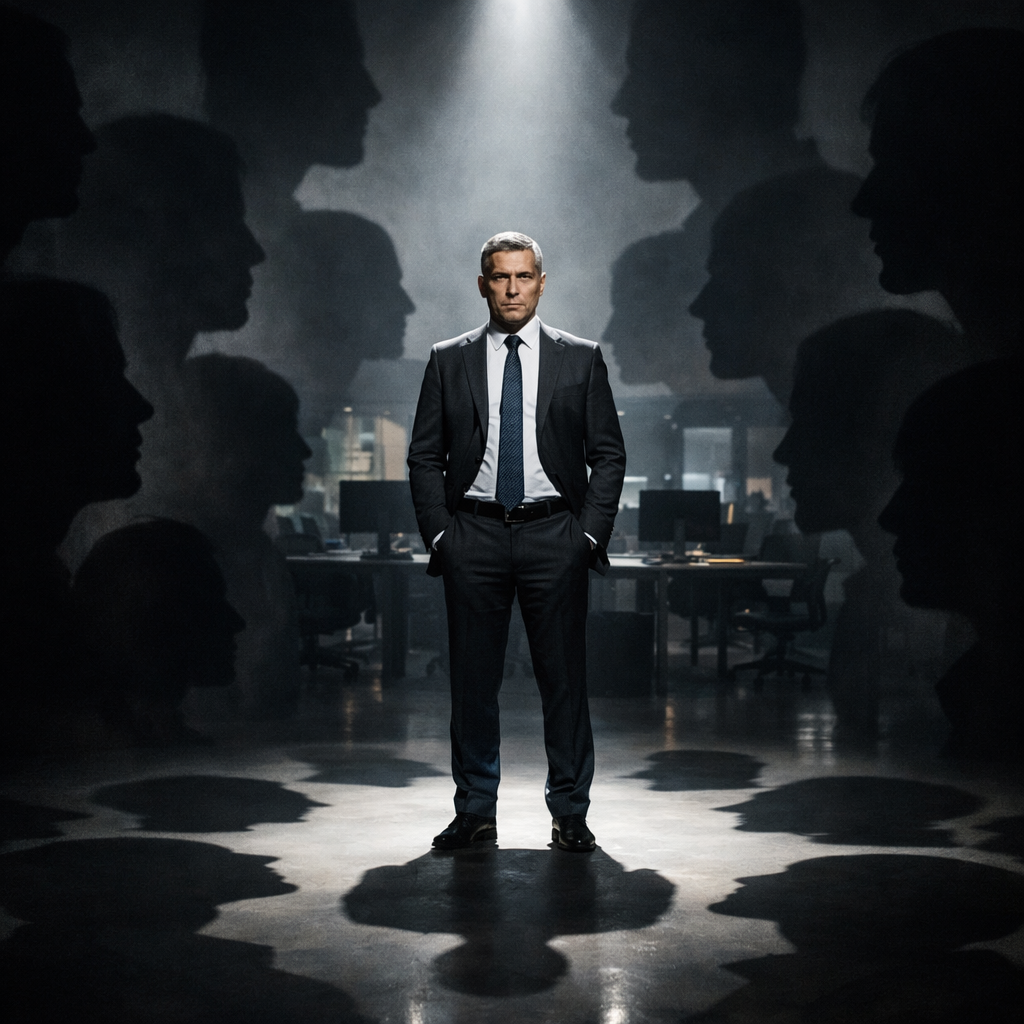
According to multiple sources, Huang reportedly claimed Nvidia’s financial success meant money could no longer serve as motivation—leading him to rely on public humiliation as his go-to leadership tool. In one incident, he allegedly told an executive their mother should have aborted them; in another, he threatened to shred someone’s arms apart and beat them to death. These accounts are part of a broader complaint pattern that spans decades. In 2005, Michael Winston, a former HR executive, described Huang’s conduct as the most abusive he’d ever seen and took legal action. Nvidia later settled with Winston for over $1 million. Huang’s spokesperson denies the claims, calling them fabrications.
Flattened Hierarchy Amplifying One Man’s Power
The company’s internal structure also drew criticism. Huang reportedly maintained a remarkably flat organizational model: at times, around 36 to 60 senior-level employees reported directly to him, and he avoided one-on-one meetings. This allowed him to micromanage decisions while minimizing accountability. Such an arrangement reportedly made few people “above” Huang to check or counterbalance his behavior.
Employees say this structure fostered both efficiency and dysfunction. While it enabled fast decision-making and innovation, it also concentrated power in Huang’s hands—and required subordinates to tolerate intense scrutiny and often menacing behavior. The fear and uncertainty reportedly increased as dissent or slower performance drew public scorn in large meetings.
Boundary Violations and Oversight Failures
Beyond verbal harassment, coworkers say Huang exerted control by restricting meeting formats—banning recording of small gatherings, for instance—and relying on his executive inner circle for critical judgments. Family members, including his daughter Madison and son Spencer, held senior roles, intensifying concerns about favoritism and conflicts of interest. Employees noted that some comments or behaviors by Madison—labeled “probing” or “intense”—made colleagues uncomfortable, occasionally prompting HR complaints, though outcomes were unclear.
These behaviors, combined with Huang’s personal allegations—affairs with a company executive and with Alice Huang, a Chinese business figure suspected by U.S. authorities to have intelligence ties—violated internal codes of conduct and raised national security alarms. These revelations catalyzed board action, which culminated in his resignation on November 12, 2026. Chief Financial Officer Colette Kress assumed interim leadership while NVIDIA scours for permanent successors.
Public vs. Private Persona
Even as the leadership narrative fractures, public statements reveal division among employees. Some defend Huang’s technical mastery, insisting he could be tough but also took care of individual staff—for example, helping researcher John Zedlewski with medical trial access during cancer treatment. But many counter that these instances don’t offset what they characterize as regular “eviscerations” in meetings and a culture where fear dampened honest feedback.
Market reaction to his exit was immediate. Nvidia stock plunged as much as 14%, briefly bringing the company below a $4 trillion valuation. Investors are now weighing what happens when a company built almost entirely around one founder must transition without him.
This is not just a story about one leader—it’s about the systems around him. How many senior executives dared challenge him? How thorough was oversight from the board? These questions expose key vulnerabilities in companies run with extreme founder-centric designs.
His resignation leaves Nvidia without a clear heir. With no president or COO in place when he stepped down—and his children already in senior roles—succession planning seems to have been deferred until headlines forced action.
Analysis: Huang’s downfall underscores the risk of unbalanced power in founder-led tech giants. A flat structure may speed up execution, but when combined with fear-based leadership and insufficient checks, it erodes trust and breaks culture. The fallout at Nvidia is a warning: companies must guard against authoritarian drift, build real accountability, and ensure that loyalty doesn’t become complicit silence. Going forward, watch how Nvidia reforms its governance, how Colette Kress leads under scrutiny, and whether this episode sparks broader standards for leadership behavior in volatile tech sectors.