Security operations centers (SOCs) are on the brink of granting AI agents more independence in handling security tasks. A recent survey of CISOs at large organizations shows just 36% are comfortable today with agents acting autonomously on low-risk actions—but that number is expected to jump to 60% within a year. AI-based SOC programs are emerging as top priorities for 2027 among security leaders.
The Autonomy Spectrum in SOCs
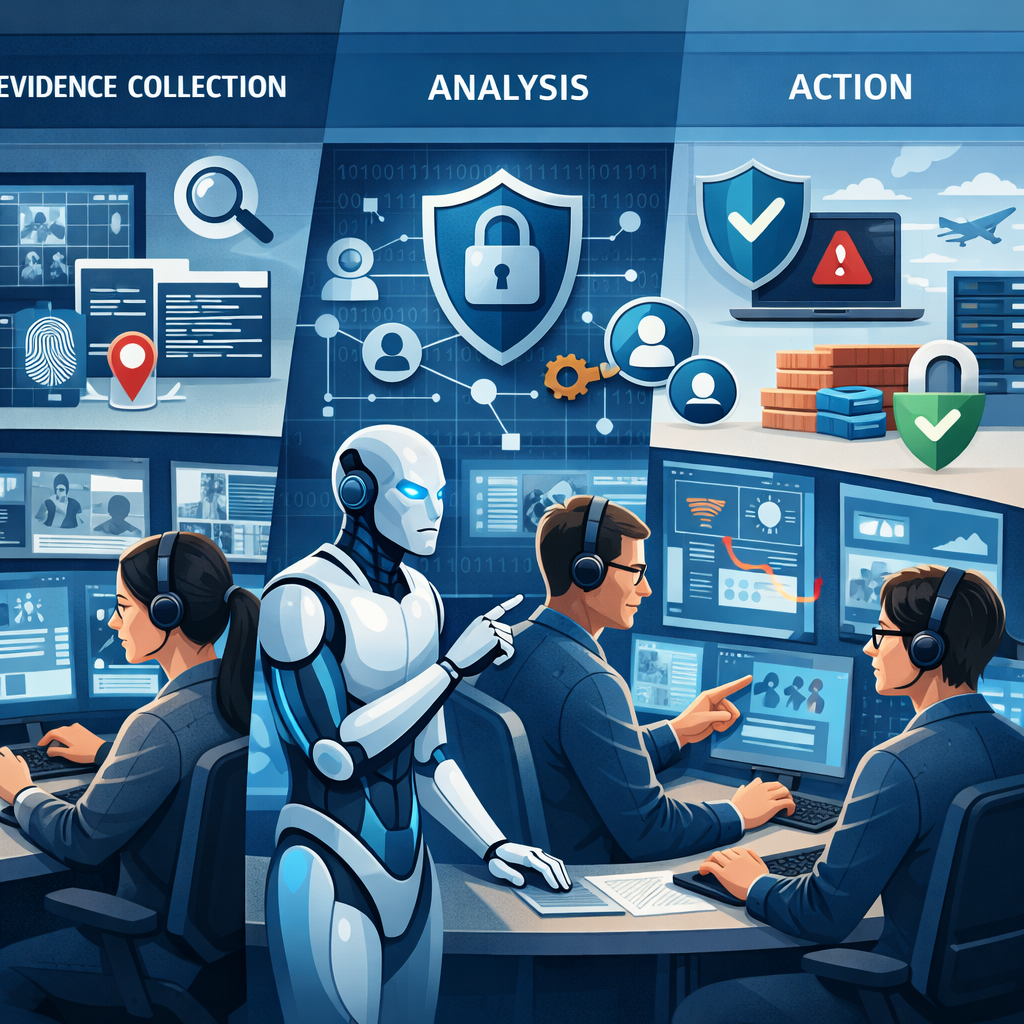
Autonomy in security isn’t about a simple slider from “suggest” to “act,” but about nuanced control across multiple stages of workflow. Drawing on a framework long used in aviation operations, security leaders distinguish four key functions: gathering evidence, analyzing information and rendering a verdict, making response recommendations, and carrying out actions. Each stage can be automated to different degrees while keeping humans where the risk is highest. Tasks like collecting data from SIEM and EDR systems are low-risk and easy to reverse—ideal candidates for full autonomy. On the flip side, actions like isolating production servers demand more cautious handling.
Human Interaction with the Agent: The Key to Safe Autonomy
How humans interact with AI agents matters as much as the capabilities themselves. A five-level framework defines roles from Operator (human makes decisions) to Observer (agent mostly autonomous, human monitors). Most organizations today operate around Level 2: Collaborative interaction. Over the next year, many aim to reach Level 4 for low-stakes actions—where the AI acts and human oversight kicks in only for riskier moves.
But a process marked “human approval” isn’t a safety guarantee if reviewers lack context. Adequate oversight depends on clear evidence: raw data, logic chains, what was ruled out, and what informed the decision. Without this, approvals can become perfunctory and high-risk actions slip through unchecked.
Earned Autonomy and Risk Controls
Autonomy should be earned, not granted. Teams should predefine criteria for expanding an agent’s powers: track how often its verdicts align with human reviews, run new functionalities in dry runs, ensure complete audit trails, and define rollback plans. Equally important is demotion when performance drops or the environment shifts. A single serious mistake can justify stepping back.
AI agents present risk beyond mistakes. A compromised agent can pose vulnerabilities akin to privileged identities. Treat autonomy as you would elevated access: isolate identity, limit permissions, log every action, and monitor behavior like you would for admin accounts.
Immediate Steps for Organizations
To move from humble autonomy to something robust, security teams can start with five steps:
- Catalog all current agent actions and score them on safety: reversibility, potential impact, and strength of evidence.
- Automate investigation processes aggressively—evidence collection and analysis are the lowest risk and highest payoff.
- Require strong evidence for any disruptive response before giving agents operational power.
- Establish clear thresholds for moving up or down levels of autonomy well before implementation.
- Treat the agent like any privileged identity in the infrastructure: limit scope, log calls, monitor continuously.
The end goal is crossing a trust line—knowing enough to believe the agent’s output reliably, allowing hand-off of action and shifting humans to monitoring roles. Autonomy built this way is defensible and safer.
What this signals is not just a shift in technology, but in mindset. As SOCs grant more power to AI agents, trust must become structural—evidence-based and reversible. The next year will tell whether organizations seize this opportunity or risk getting burned by overconfidence. Expect those that succeed to lead—not by outsourcing control, but by mastering its balance.