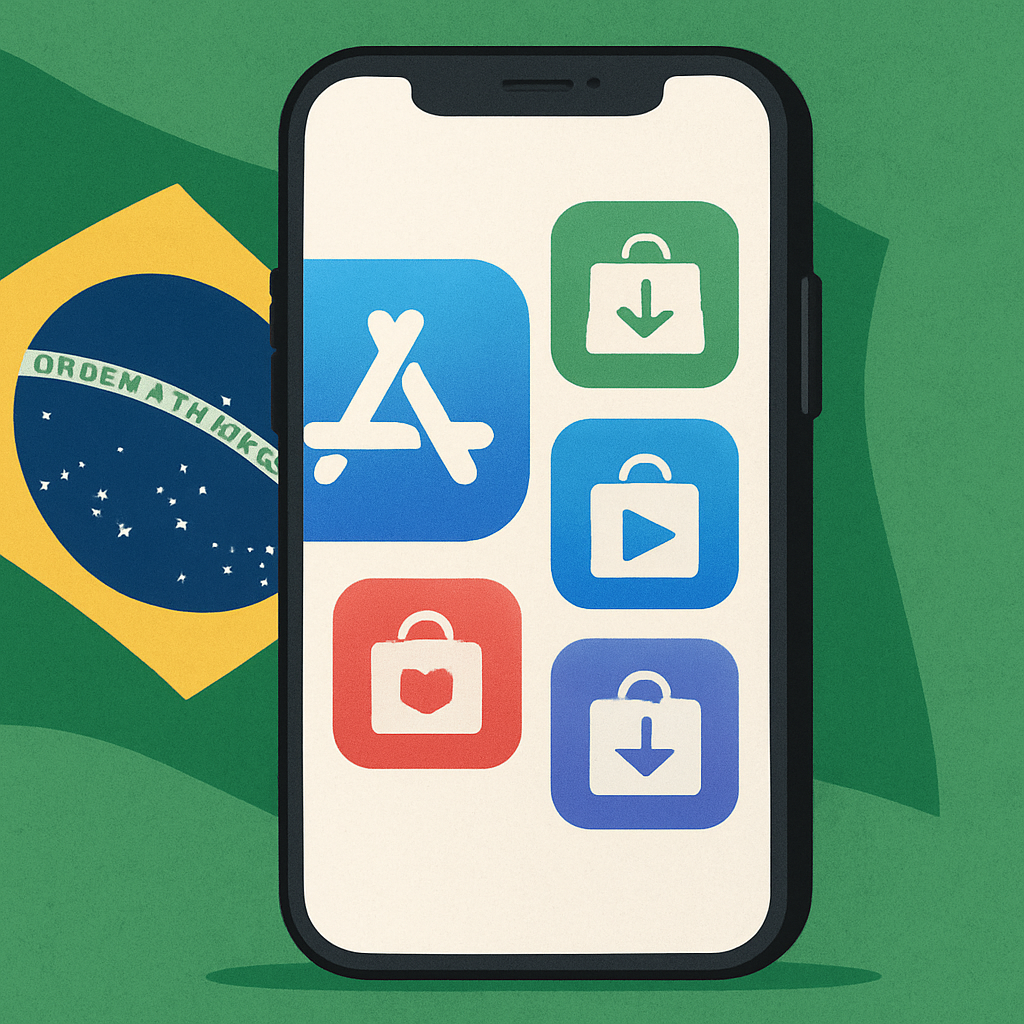
In a significant policy shift, Apple has agreed to allow alternative app stores and third-party payment systems on iOS devices in Brazil. This decision follows a settlement with the country’s antitrust authority, the Conselho Administrativo de Defesa Econômica (CADE), after a three-year investigation into Apple’s App Store practices.
Under the terms of the agreement, Apple is required to implement these changes within 105 days to avoid potential fines of up to 150 million Brazilian reais (approximately $27 million). This move will enable developers to distribute their applications through third-party app stores and offer alternative payment methods, providing users with more choices beyond Apple’s proprietary systems.
To comply with the new regulations, Apple has introduced features in iOS 26.5 that facilitate the use of alternative app stores. A new section in the settings menu allows users to select their preferred app store, effectively enabling the installation of applications from sources other than the App Store. This update marks a departure from Apple’s traditionally closed ecosystem, aligning with similar regulatory changes in other regions.
Despite these concessions, Apple will continue to impose certain fees on transactions conducted outside its App Store. For instance, a 5% “Core Technology Commission” fee will be applied to transactions through alternative app stores, and a 15% commission will be levied on in-app purchases when developers direct users to their own payment systems. These fees are lower than the standard 30% commission Apple typically charges for in-app purchases within its App Store.
The introduction of alternative app stores in Brazil is expected to foster a more competitive app marketplace. Users will have access to a broader range of applications, including those that may not have met Apple’s App Store guidelines. Developers, particularly smaller and independent ones, will benefit from reduced fees and greater flexibility in distributing their apps and managing payments.
This development in Brazil mirrors similar regulatory actions in other regions. The European Union’s Digital Markets Act (DMA), for example, has mandated that Apple allow alternative app stores and payment systems to promote competition and consumer choice. Brazil’s adoption of comparable measures indicates a growing global trend toward challenging the dominance of major tech companies and advocating for more open digital ecosystems.
For Brazilian consumers, these changes promise increased options and potentially lower prices, as developers may pass on savings from reduced fees. However, users should exercise caution when downloading apps from third-party sources, as these may not undergo the same level of scrutiny as those in the official App Store. Ensuring the security and reliability of alternative app stores will be crucial in maintaining user trust.
In summary, Apple’s agreement to open iOS to alternative app stores and payment systems in Brazil represents a significant shift in the company’s approach to app distribution and monetization. This move is likely to have far-reaching implications for the app ecosystem in Brazil, promoting greater competition and innovation while aligning with global trends toward more open digital markets.
As Apple navigates these regulatory changes, it will be important to monitor how the company balances compliance with maintaining the security and quality of its platform. The success of this initiative in Brazil could influence similar actions in other markets, potentially reshaping the landscape of app distribution worldwide.