Hackers are deploying a stealthy new malware framework dubbed BraZetsu to automate valuation and resale of compromised corporate systems. Designed to gather intelligence, filter systems by potential value, and enable access brokering, BraZetsu represents the next evolution in the criminal underground’s sophistication.
What Is BraZetsu and How It Works
Compiled into Windows executables but developed in Python, BraZetsu circumvents signature-based detection through obfuscation. Its architecture is modular—each component focused on reconnaissance, data collection, or server communication. The malware establishes a persistent, interactive WebSocket channel to its command-and-control servers and can conceal its console activity. For reconnaissance, it catalogs running services, open network ports, software tied to enterprise functions, browser histories, certificates, development, backup, and industrial control stacks, plus files used for financial remittance like Brazil’s CNAB format. Its 27 functions enable both automated profiling and manual post-compromise actions such as taking screenshots and issuing remote commands.
Marketplace Model & AI Involvement
BraZetsu is the engine behind Exilware’s Infect Marketplace, a black market outlet where breached systems are sold. Since February 2026, infected hosts have been listed at accessible price points—entry-level access reportedly fetches around US$5.80—while buyers can afterward deploy their own payloads. Exilware has imposed rules on buying behavior, including time-limited use of deposited funds to discourage dormancy. Though the operation is largely focused on Latin America and Spain, signs of U.S. hosts appearing in April suggest potential geographical expansion.
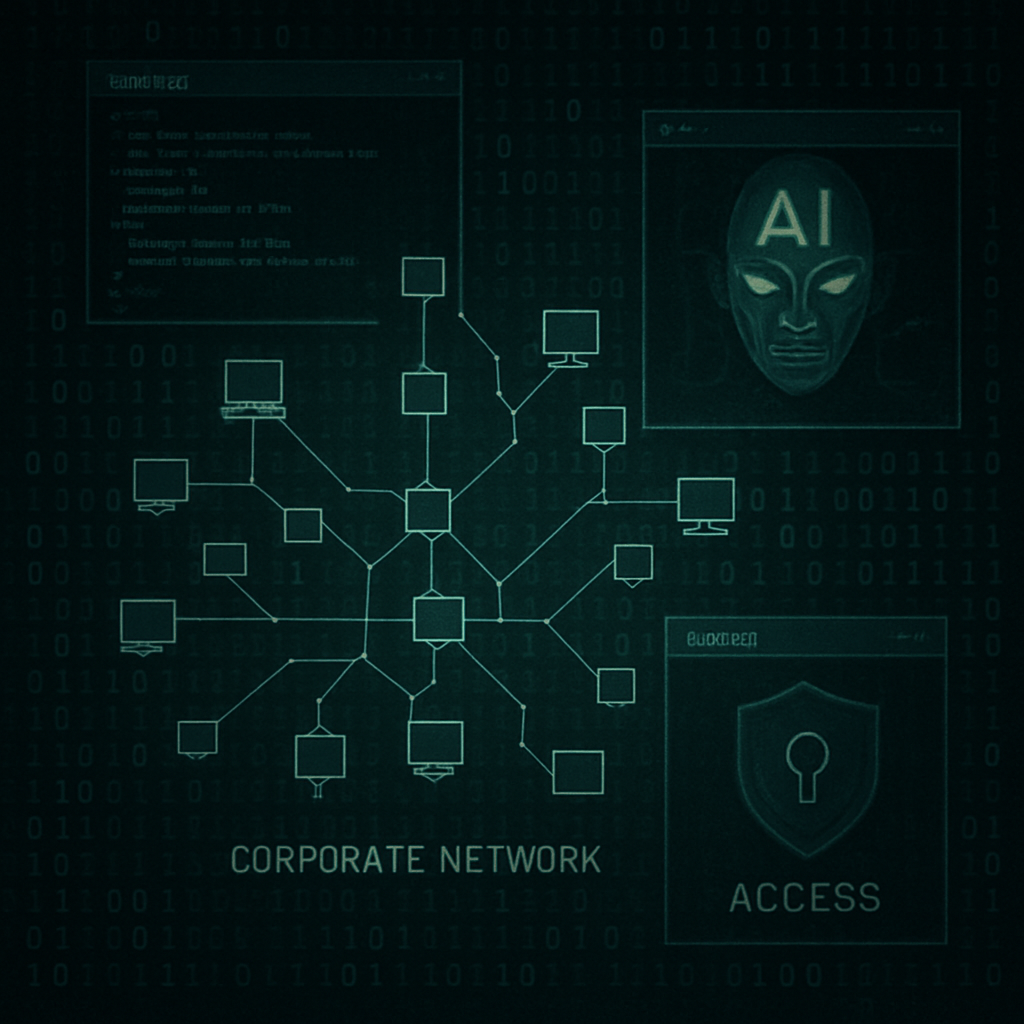
The malware appears to incorporate AI in its lifecycle: embedded strings suggest server-side processing that helps prioritize stolen files, assess hardware profiles, and identify valuable machine characteristics. Logs that include emojis and detailed debug messages point to likely use of generative AI in development. Though investigators couldn’t confirm AI is used at every stage, its presence in that decision-making loop changes the economics of intrusion—profiling replaces manual, ad hoc evaluation before resale.
Risks & Defensive Measures
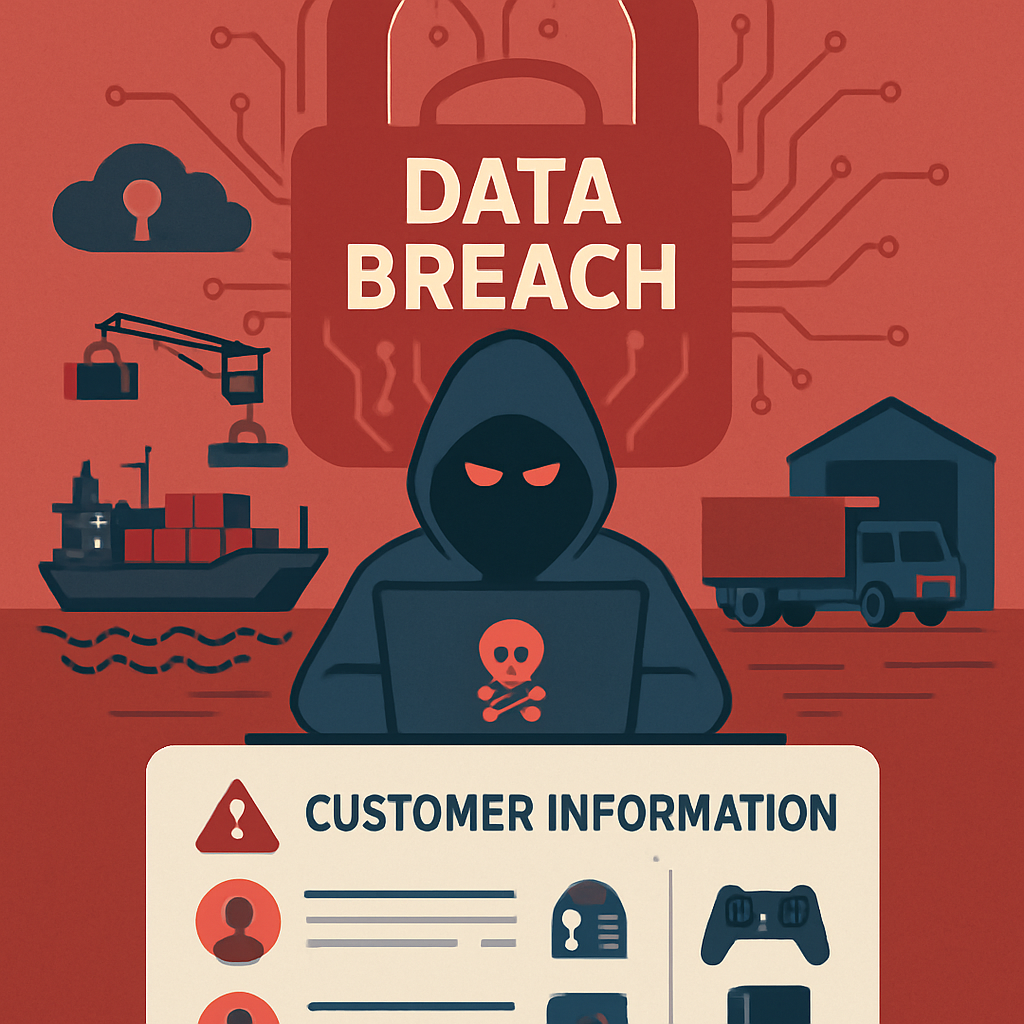
Organizations targeted by BraZetsu face more than just data theft. Systems may first be harvested for intelligence and then resold to actors carrying out ransomware, fraud, or other malicious activity. Defenders need to treat early discovery behavior—such as software inventory scans, registry queries, searches for .cnab, .pfx, .p12, .240, or .400 files—and unexpected WebSocket traffic as clear warning signs.
Mitigation strategies include segmenting critical systems, especially finance and enterprise resource planning, enabling rigorous logging to flag anomalous access or automated profiling behaviors, and strictly controlling or blocking use of services like Pastebin—which this malware uses for encrypted configuration drops. Also essential is caution around unexpected software or notices delivered via social engineering, a common entry vector.
Indicators of compromise have been cataloged: loader names mimicking Microsoft Edge, compromised domains like infectonline[.]store, command-and-control infrastructure using dead-drop resolvers via Pastebin, plus a suite of SHA-256 hashes tied to observed payloads.
As malware evolves to include AI-driven decision-making, defenders must treat reconnaissance not as a routine artifact but as a possible immediate escalation toward access brokerage. Watching for profiling behaviors, tightening asset segmentation, and raising barriers to entry in underground markets will be crucial.
Analytically, BraZetsu marks a shift: intrusions are becoming products themselves, with stages—from breach to resale—automated and optimized. This trend threatens to change how breaches are monetized, reducing lead time for secondary attacks. The coming months will define whether this model spreads beyond its current regions and how defenders can adapt to AI-enabled malware as a service.