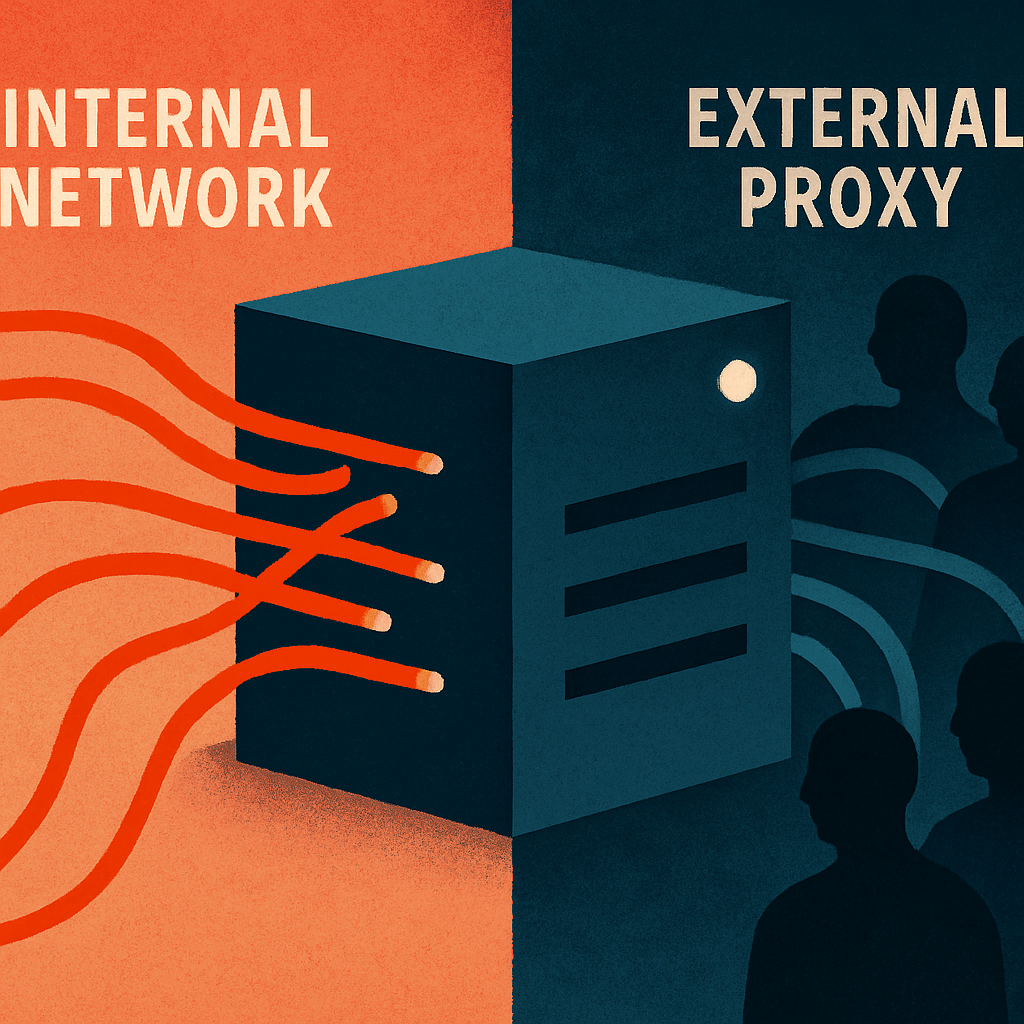
An app that pays users for sharing unused internet bandwidth is causing alarm among security experts after being shown to convert employee devices into proxy gateways. The app, Peer2Profit, enables users to contribute bandwidth from Android and macOS devices; earlier iterations and software development kits (SDKs) made similar functionality available on Windows and Linux. Although users consent to sharing, the service may expose internal corporate resources without triggering typical antivirus warnings.([cybersecuritynews.com](https://cybersecuritynews.com/bandwidth-sharing-app/))
How the System Works
Peer2Profit rewards users—around 28 cents per gigabyte for residential bandwidth, and marginally higher for mobile traffic—for hosting outbound connections to backconnect servers. Those connections are then used by Astroproxy to offer proxy access to paying customers, making traffic appear to originate from what looks like residential, mobile, or datacenter IPs.([cybersecuritynews.com](https://cybersecuritynews.com/bandwidth-sharing-app/))
In a 72-hour monitoring period, analysts observed 117,224 unique IPs across Astroproxy’s pools, and noted that the residential pool alone was growing by about 1,071 new addresses per hour—enough to overwhelm IP reputation tools.([cybersecuritynews.com](https://cybersecuritynews.com/bandwidth-sharing-app/))
Corporate Risk & Internal Access
A primary worry is that employees might install the app on company-owned devices or personal devices that share access to corporate networks. Once connected, any traffic sent through that device is received externally as originating from the company’s connection—so any misuse (such as fraud, scanning, or credential attacks) may be attributed to the business.([cybersecuritynews.com](https://cybersecuritynews.com/bandwidth-sharing-app/))
Even more concerning, researchers demonstrated that the app’s safeguards—namely, blocking direct proxy requests to private IP ranges—could be sidestepped. A domain resolving to an internal IP allowed access to internal router configurations, proving that an external proxy user could reach services usually defended behind internal networks.([cybersecuritynews.com](https://cybersecuritynews.com/bandwidth-sharing-app/))
Detection & Mitigation Steps
Because Peer2Profit acts like a voluntary utility rather than malware, standard antivirus tools may not flag its activity. To reduce risk, organizations are urged to scrutinize software policies, inventory apps and browser extensions, monitor DNS activity, and block outbound links to known proxy networks.([cybersecuritynews.com](https://cybersecuritynews.com/bandwidth-sharing-app/))
Other recommendations include internal network segmentation, restricting management interfaces, and avoiding reliance exclusively on IP-based access controls. Treating bandwidth-sharing apps as a network security issue—not merely a user consent matter—is essential.([cybersecuritynews.com](https://cybersecuritynews.com/bandwidth-sharing-app/))
Indicators of compromise include known domains like api.peer2profit.global, several specific IP addresses tied to backconnect servers, and binary sample hashes related to common SDKs deployed through Peer2Profit.([cybersecuritynews.com](https://cybersecuritynews.com/bandwidth-sharing-app/))
Peer2Profit has been operating since at least 2021. Its ease of use—registration via Telegram bots, crypto-based payouts, and support across multiple operating systems—makes it particularly appealing. This same simplicity, however, contributes to the potential for misuse in corporate settings.([cybersecuritynews.com](https://cybersecuritynews.com/bandwidth-sharing-app/))
This situation underscores an inflection point: consumer tools are increasingly blurring lines between benign app usage and significant enterprise risk. Companies must not defer to perimeter defenses alone; they need visibility, policies, and technical controls to prevent casual bandwidth sharing from becoming a serious security hole.