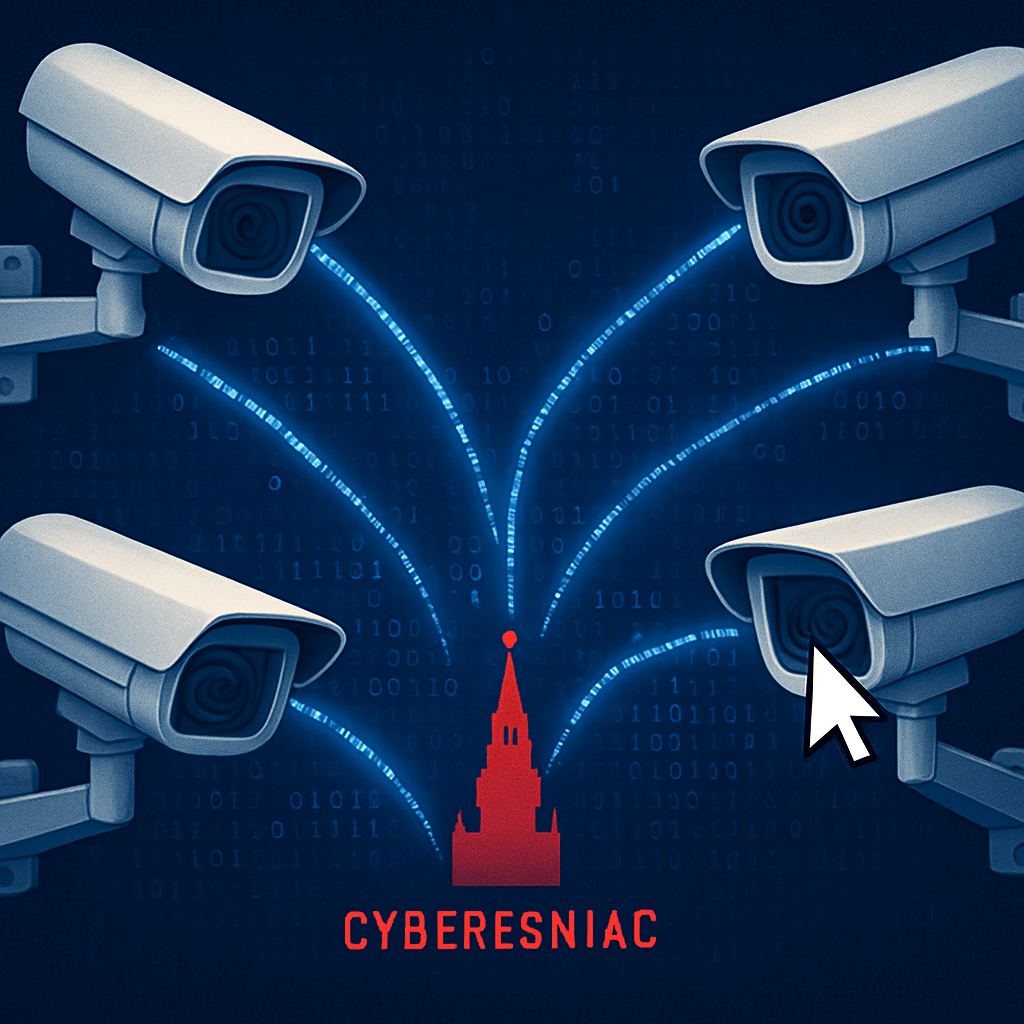
Recent reports indicate that Russian intelligence agencies are commandeering unsecured internet-connected cameras to monitor military aid routes into Ukraine. This operation underscores the vulnerability of everyday security devices when left exposed online.
The campaign primarily targets IP cameras in the Netherlands, other EU and NATO countries, and Ukraine. By accessing these devices, Russian operatives can observe transport routes, track weapons shipments, and identify locations of Ukrainian military personnel without infiltrating secure military networks.
Exploitation of Unsecured IP Cameras
Analysts from AIVD and Censys have identified this activity as part of a broader Russian espionage effort that leverages compromised camera feeds. Footage from seemingly innocuous locations—such as gas stations, warehouse entrances, or roadside businesses—can inadvertently reveal critical information about military movements and logistics.
The operation does not rely on sophisticated malware but instead exploits poorly protected or outdated IP cameras. By gaining access to these live feeds, Russian operators can identify vehicle types, monitor convoy movements, and discern patterns around facilities supporting Ukraine.
For instance, a camera overlooking a public road might capture passing military equipment, while one near a loading dock could expose delivery schedules and security protocols. This threat is particularly concerning because such cameras are often managed separately from core IT systems, leading to oversight in their security maintenance.
Scope of the Vulnerability
The risk extends beyond government or military sites. Surveillance devices at transport hubs, utilities, manufacturing plants, and commercial premises can also be exploited for intelligence gathering. Censys identified over 45,000 cameras directly accessible from the public internet in the Netherlands alone. Of these, nearly 2,000 hosts had unpatched vulnerabilities known to be exploited in real-world attacks. Additionally, 541 camera services were exposed through known exploited vulnerabilities in camera software.
Across EU and NATO countries, plus Ukraine, more than 87,000 potentially exploitable internet-connected cameras were found, including over 4,000 in Ukraine. The prevalence of outdated software exacerbates the issue, highlighting the need for organizations to treat camera firmware, web interfaces, and remote-access services as critical security components.
Mitigating the Surveillance Risk
To mitigate such risks, organizations should first identify all cameras and related services exposed to the internet. Unrecognized or forgotten devices, especially older installations or outsourced systems, can escape normal asset-management processes.
Once identified, operators should apply current firmware and software updates, replace unsupported equipment, and implement strong, unique access credentials. Direct internet access should be eliminated where possible, placing cameras behind firewalls and using controlled remote access. Isolating device networks ensures that a compromised camera cannot serve as a gateway to more sensitive systems.
Additionally, reviewing each camera’s field of view is crucial. A feed intended to monitor a gate might unintentionally reveal roads, loading docks, fuel stops, security posts, or staff routines valuable to adversaries. Limiting the field of view can reduce the intelligence value of the footage.
Security teams should monitor for unusual logins, configuration changes, outbound connections, and unexplained viewing activity. Recent reports on unauthenticated camera code execution illustrate how exposed management services can allow attackers to take control without normal user access.
This situation highlights that physical security technology now carries significant cyber risk. While a camera may not store sensitive documents or customer records, its live stream can disclose operations, schedules, entrances, vehicle movements, and other details that support targeting.
The exploitation of unsecured IP cameras by Russian intelligence to monitor military aid to Ukraine underscores the critical need for robust cybersecurity measures across all connected devices. Organizations must recognize that even seemingly benign equipment can be weaponized for espionage if not properly secured. Regular updates, stringent access controls, and comprehensive network monitoring are essential to safeguard against such threats.