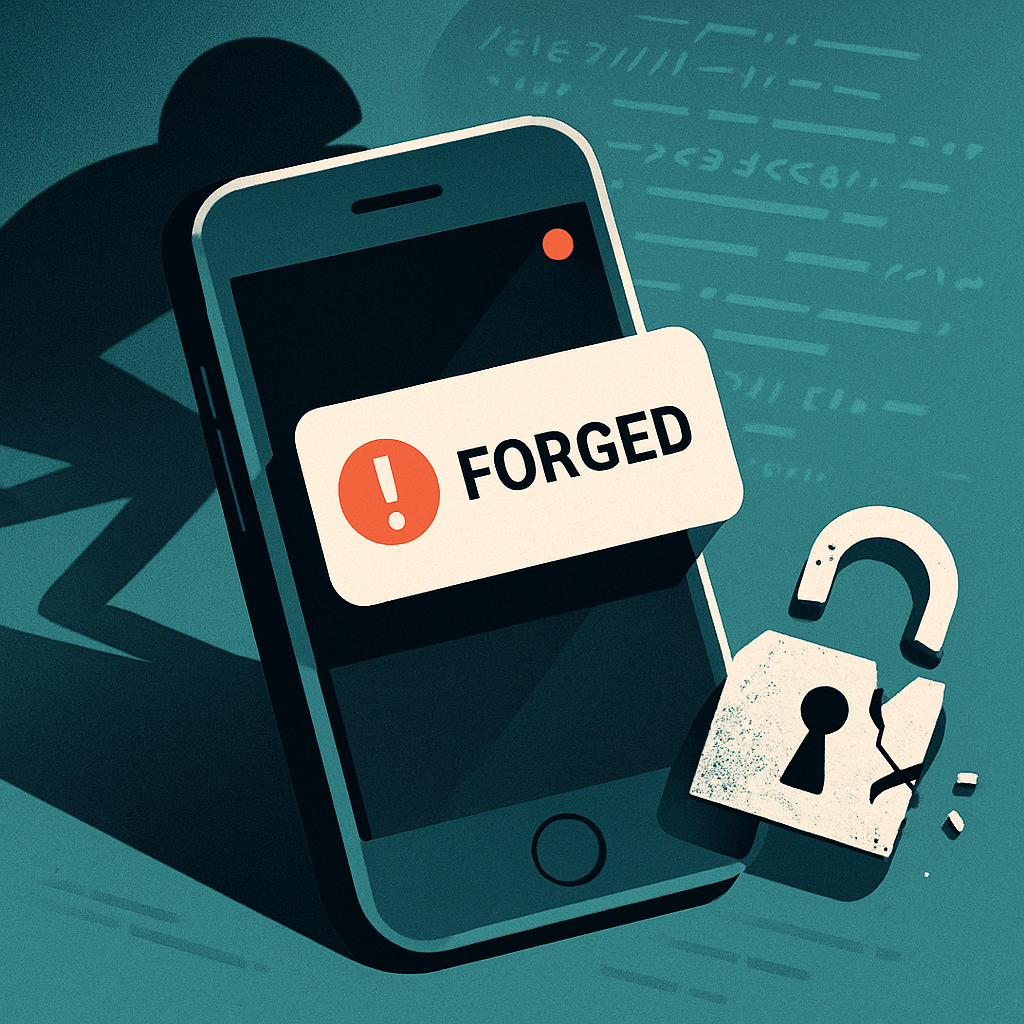
Fashion e-commerce giant ASOS has disclosed that a data breach compromised customer information after hackers exploited its in-app notification system to issue a warning using a rogue alert. The retailer revealed the incident in a report filed with the London Stock Exchange, confirming that attackers accessed data held on a third-party platform used for customer communications.
What Happened
The breach involved the theft of names and contact details including email addresses, home addresses, phone numbers, and internal profile notes—such as data on website search queries. The attackers leveraged ASOS’s own app to send a notification falsely directed to its data protection officer and IT team, claiming they had “fully compromised” ASOS’s data stored on Snowflake. The message threatened to publish the stolen data unless ASOS engaged with them.
How the Intrusion Occurred
Investigations reveal the hackers—operating under the name Xuanye Group—gained access to ASOS’s Snowflake instance by impersonating a trusted contact and stealing valid login credentials. The Snowflake platform, which offers large-scale data storage and analytics, said its own systems were not breached. It remains unclear whether the compromised ASOS Snowflake instance used multi-factor authentication (MFA). The breach also involved misuse of an in-app notification pathway, usually handled via third-party services, though exactly how access to that channel was gained is still under investigation.
Scope and Impacts
ASOS serves roughly 17 million customers. While the hackers claimed access to a significant amount of data and broadcast the rogue app message to pressure ASOS, they have not disclosed the full extent of what they seized. Customers likely had personal identifiers exposed, including profile notes related to their use of ASOS’s services.
This kind of breach, where attackers use internal communication tools to send misleading messages, echoes earlier incidents—such as one earlier this year involving another company whose third-party marketing platform was abused to impersonate alerts to customers for malicious ends.
ASOS confirmed that the hack targeted a third-party communication platform rather than its core operational infrastructure. The fashion retailer has not yet detailed all mitigation steps, such as whether MFA was enabled, nor has it fully disclosed how the attackers gained control over its push notification system.
Ultimately, ASOS has acknowledged that customer names, contact data, and other identifiable information were stolen. The company is working to assess the damage and determine how to safeguard its systems to avoid recurrence.
What this reveals is increasingly troubling: attackers are using deceptive tactics not just to steal data but to weaponize a company’s own voice. For customers, this raises the stakes—not only is personal info at risk, but trust in brand communication channels becomes a vulnerability. ASOS now faces a pivotal moment in restoring customer confidence, implementing robust security around trusted third-party tools, and ensuring communication systems like app-push messaging are tightly controlled. Observers should watch how ASOS manages disclosure, whether it clearly outlines security reforms (multi-factor authentication? stricter vendor oversight?), and how regulators respond given the sensitivity of the exposed data.