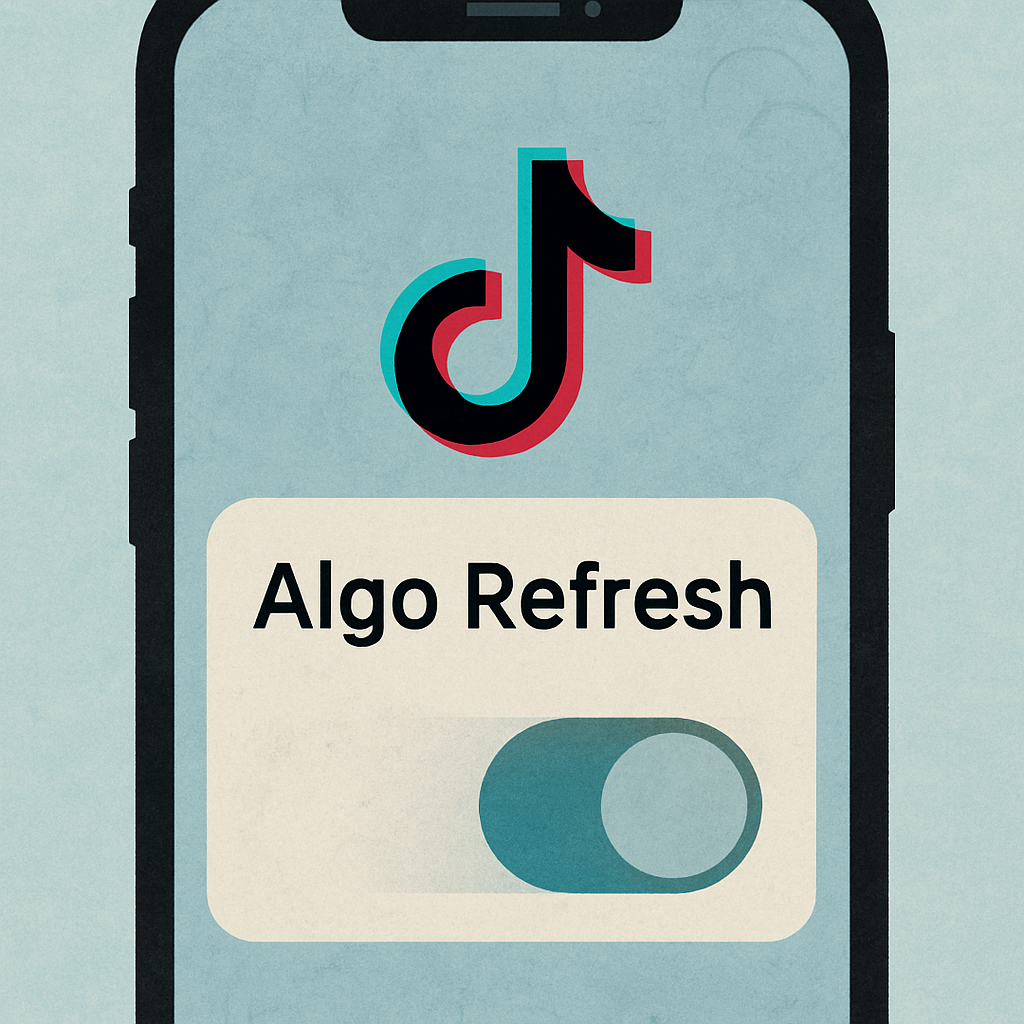
A newly unsealed lawsuit filed by New York Attorney General alleges TikTok deliberately misled young users by giving them a safety feature that didn’t actually work. Thousands of teens and children who believed they had activated the “Algo Refresh” tool were instead placed in a so-called placebo group—one that saw no change to their video recommendations. The feature, meant to reset a user’s algorithm to avoid harmful or undesired content, reportedly had no effect for those in the test arm.
The case is part of a broader legal challenge over how TikTok designs its platform, especially for young people. Over two dozen states, including New York, accuse the company of engineering addictive loops, misleading safety claims, and failing to protect minors from harmful content.
What the lawsuit details
According to court documents, TikTok ran repeated experiments during 2023 in which some users—including minors—who opted into the “Algo Refresh” setting were given a non-functional version of it. These users thought they had reset their “For You” feed, but their content streams remained unchanged. Meanwhile, another group got the working version and saw their recommendations update.
The safety tool was described internally as a method to let users avoid “rabbit holes” of unwanted or harmful content. The lawsuit alleges that TikTok publicly characterized Algo Refresh as allowing someone to restart with a freshly personalized feed based on new interactions.
Internal employees reportedly spoke out. A product manager in TikTok’s Digital Well-Being division described the idea of a placebo group for a feature claiming transparency and control as misleading and conflicting with the feature’s purpose.
Other safety experiments and impacts
The lawsuit also highlights experiments involving around 15 million U.S. users, in which certain safety features were disabled for a control group to measure effects on engagement and ad revenue. One minor included in this experiment later died by suicide after exposure to content tied to self-harm and suicide.
TikTok has responded by stating that testing new features is routine as part of product development. The company also claims the lawsuit misrepresents how Algo Refresh functions.
This specific lawsuit was first filed in 2024 and had certain allegations kept under seal until updates to the complaint in late August, portions of which a judge ordered unsealed on October 7, 2026.
The legal case holds high stakes: it challenges the ethics of algorithmic design, particularly when what’s advertised as control for users may be used for internal testing of engagement and ad metrics. It raises serious questions about what users—especially younger ones—deserve in terms of transparency and real safety. Expect arguments over whether courts will allow so-called placebo claims to proceed, and whether this becomes a model for other states’ cases. What TikTok does next—whether policy changes, settlements, or more internal changes—will be watched closely.