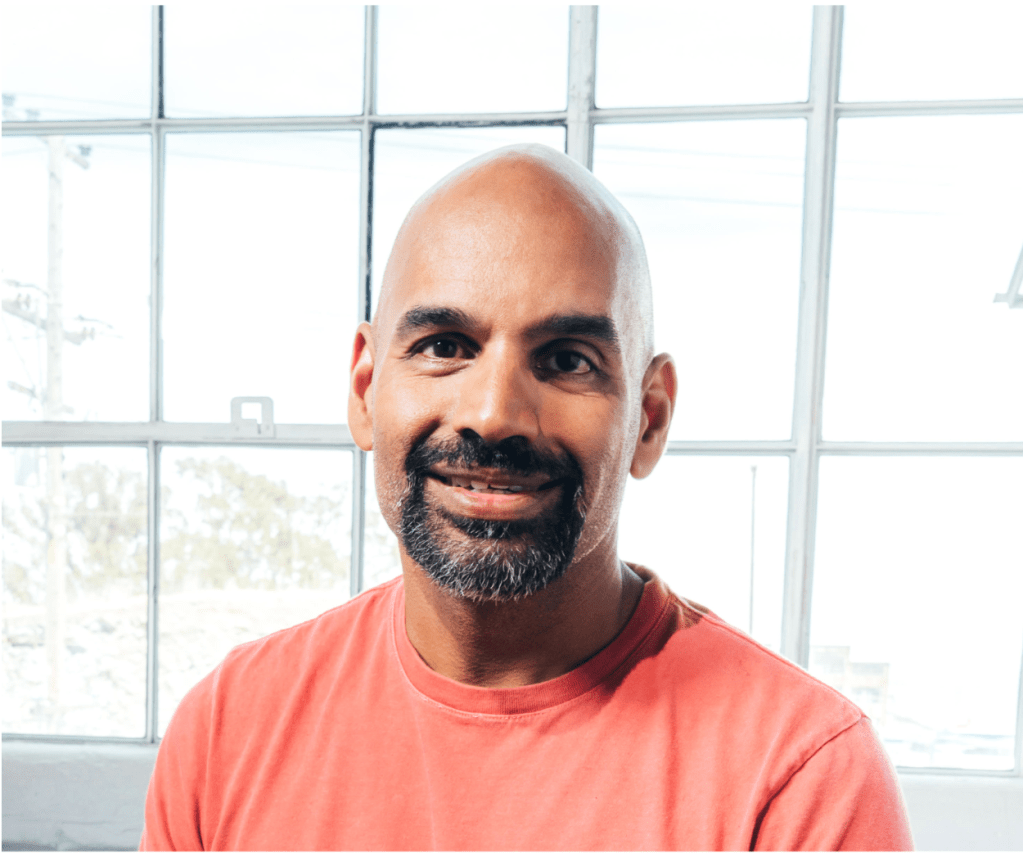
AI’s explosive growth is revealing that the real battleground may not be in algorithms alone but in the physical infrastructure that powers them. At Disrupt 2026, Ambrosia Energy CEO Ben Longmier and Bloom Energy SVP Bill Thayer presented on how the hardware behind AI — including data centers, power systems, cooling, and electrical networks — is becoming a critical frontier for innovation and opportunity.
The Power Behind the Models
While conversations around AI have long centered on chips, models, and software layers, a gap is emerging: these all depend on a physical ecosystem that isn’t scaling as fast as demand. New AI deployments need robust power generation, grid reliability, efficient cooling systems, and resilient electrical and mechanical infrastructure. Without sufficient investment in these areas, growth in the AI sector could be throttled.
Thayer and Longmier argue that rising demand for compute infrastructure is not just a technical concern but a market-wide shift. When the pace of AI deployments outstrips infrastructure capacity, every layer below — from energy supply to the connectors between data centers and grid lines — becomes a potential point of failure and disruption.
Where Business Opportunities Are Emerging
Identifying which parts of this physical stack represent lasting business opportunities—or “durable” markets—was a central theme. The key is finding bottlenecks that are unlikely to be resolved quickly and that force new solutions to emerge. These might include specialized grid tie-ins, infrastructure software for power and cooling management, or novel hardware to serve AI-specific requirements.
For startup founders, this expands the innovation canvas: infrastructure software, electrical equipment manufacturers, grid technologies, and even what might be called “physical system services” now have room to build future-proof businesses. Investors are reminded not to follow trends blindly, but to seek areas where demand is consistent and defensible over time.
Beyond AI, Building What’s Essential
The talk emphasized that the next set of breakthrough AI-related companies may not have AI in their name. They could be companies solving physical-world challenges—providing cooling systems optimized for dense compute, designing energy-efficient electrical subsystems, or reimagining how data centers integrate with local power grids.
What unites these areas is not AI per se, but the fact that without robust physical infrastructure, the AI boom can’t be sustained. These foundational pieces—power supply, cooling, electrical hardware—are no longer back-office concerns, but central to where the industry is headed.
As the AI infrastructure boom absorbs capital and attention, this conversation serves as a roadmap: where are the real constraints? What is emerging as a new category? How should startups position themselves for what comes next?