Apple’s Next-Gen Vision Pro: Slimmer, Lighter Model Expected by 2028
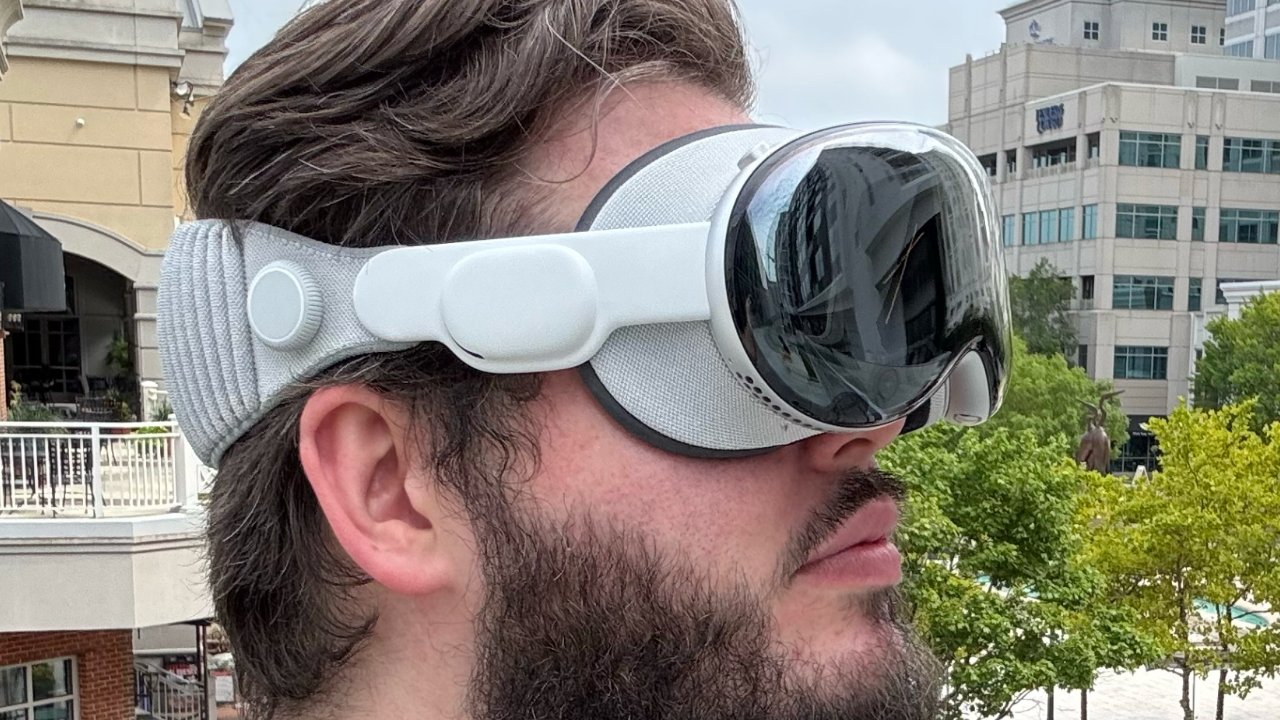
Apple’s foray into augmented reality (AR) with the Vision Pro headset has been a significant milestone in blending digital content with the physical world. Since its initial release, the Vision Pro has undergone several enhancements, with the most notable being the integration of the powerful M5 chip in October 2025. This upgrade brought improved performance, enhanced display rendering, and extended battery life, solidifying the Vision Pro’s position in the AR market.
However, despite these advancements, the Vision Pro’s substantial weight and premium price point have been points of contention among users and industry analysts. Weighing approximately 1.375 pounds and priced at $3,499, the headset’s bulkiness and cost have limited its accessibility to a broader consumer base.
In response to these concerns, Apple has been actively developing a more consumer-friendly version of the Vision Pro. Dubbed the Vision Air, this upcoming model aims to be over 40% lighter than its predecessor, potentially bringing its weight down to under a pound. Additionally, the Vision Air is projected to be more than 50% cheaper, potentially reducing the price to around $1,750. These changes are designed to make the device more appealing to a wider audience.
The Vision Air is expected to feature an internal structure made from titanium, contributing to its reduced weight. A thinner design and a new battery enclosure are also anticipated, enhancing both aesthetics and user comfort. Initial reports suggested a 2027 release for the Vision Air. However, recent developments indicate that Apple has shifted its focus towards developing smart glasses equipped with artificial intelligence (AI) capabilities. This strategic pivot aims to expedite the development of a product that can compete more directly with offerings from competitors like Meta.
Apple’s smart glasses are expected to include cameras, microphones, and AI functionalities, positioning them as a direct rival to Meta’s AI-equipped Ray-Ban glasses. The first version of these smart glasses is anticipated to launch without an integrated display, with a subsequent model featuring a display planned for a later release.
This shift in focus has led to a reevaluation of the Vision Air’s development timeline. While the Vision Air remains a part of Apple’s product roadmap, its release has been postponed to accommodate the accelerated development of the smart glasses. Current projections suggest that the Vision Air may not be available until 2028 or 2029.
In the interim, Apple continues to enhance the existing Vision Pro lineup. The October 2025 upgrade to the M5 chip and the introduction of the Dual Knit Band have addressed some user concerns regarding performance and comfort. These updates have been well-received, offering improved AI-powered workflows and a more comfortable fit.
Looking ahead, Apple’s commitment to innovation in the AR space remains evident. The development of the Vision Air and smart glasses reflects the company’s dedication to expanding its AR product offerings to cater to a diverse range of consumer preferences and needs. As the AR market continues to evolve, Apple’s strategic decisions will likely play a pivotal role in shaping the future of augmented reality experiences.