Apple’s decision to launch pre-orders for the new iPhone Duo despite limited inventory has sparked criticism from analyst Mark Gurman, who called it a “major mistake.” According to reports, Apple was aware of severe supply constraintsin the manufacturing process before making the device available, yet it still opened up pre-orders globally rather than waiting until logistics were more secure. The move appears driven by the desire to kick off sales in its fiscal first quarter rather than fulfill early demand.
Originally, Apple had planned to restrict the initial iPhone Duo launch to the U.S. and China before expanding to other markets. But at the last minute, the company opted to make pre-orders live simultaneously in more than 70 countries.
Shipping delays hit almost immediately
Within thirty minutes of pre-orders going live, estimated shipping dates slipped in most countries to around January 25. That’s a three-month wait for many buyers who expected delivery closer to the official release date. Apple often slots conservative timelines early on with a history of improving them as shipping progresses—so some of those waiting may see their orders arrive sooner.
Risk vs reward: rolling out too early?
The decision to push ahead has stirred debate about whether Apple valued getting the iPhone Duo into hands as early as possible over meeting customer expectations. Early adopters—those who pre-ordered with enthusiasm—are likely to be the most disappointed given the long wait. Meanwhile, the supply issues seem to run counter to Apple’s usual strategy of ensuring strong availability before wide rollouts.
This pre-order rollout also ties into how Apple schedules product launches. The first pre-order window signals not just the sales strategy but also sets the tone for customer satisfaction and market perception. Delayed shipments are common in initial phases, but sharp slips as seen this time point to deeper production or logistical challenges.
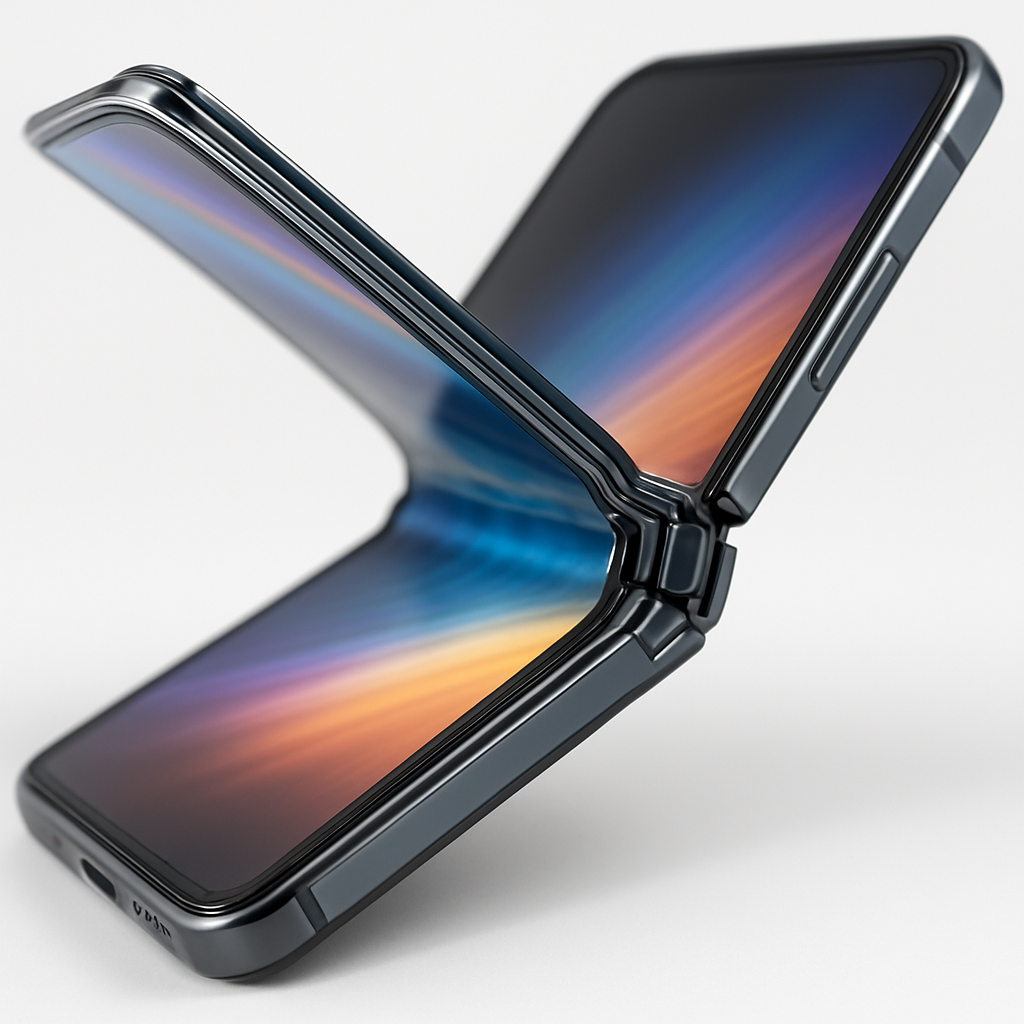
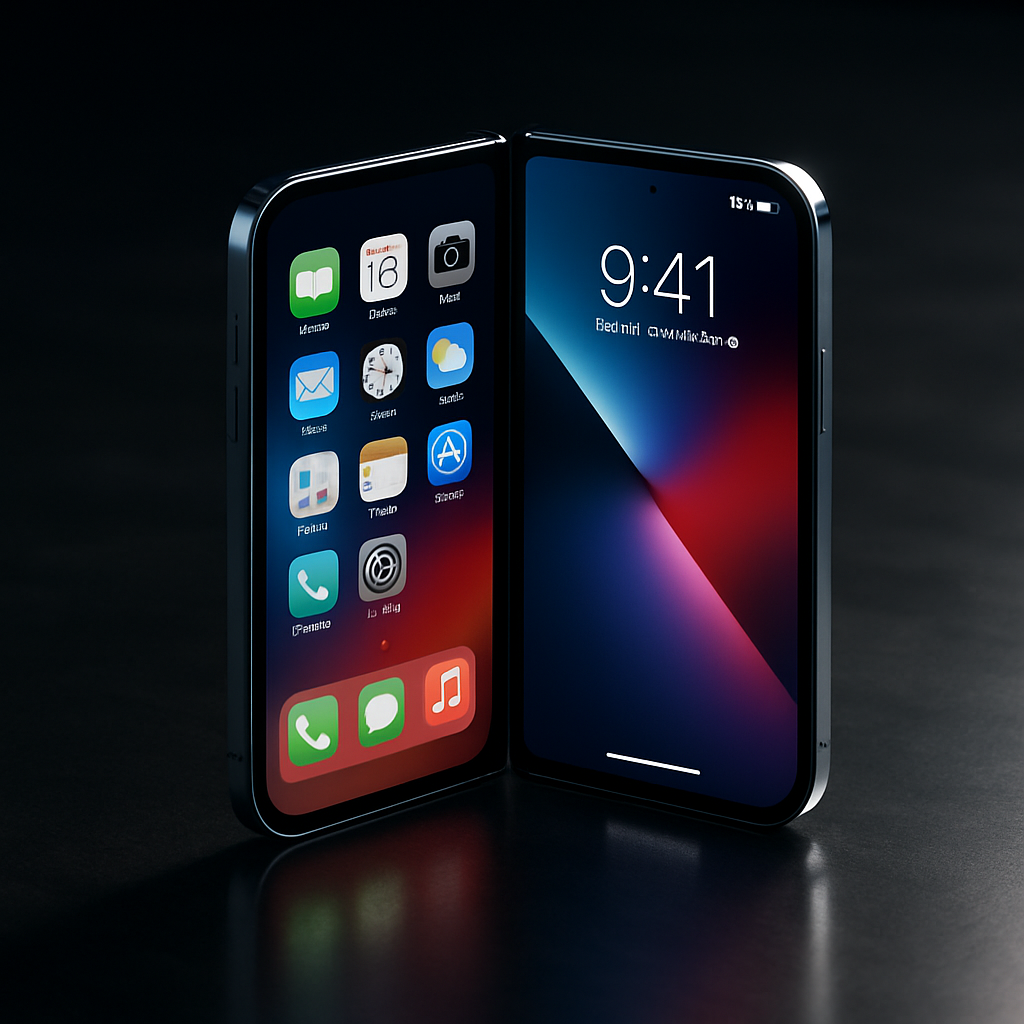
Apple’s iPhone Duo represents its first foldable phone, employing a novel dual-display design. That kind of shift brings new production hurdles—foldable displays, internal components, hinge durability—all areas where supply chain issues typically emerge. But that makes it all the more surprising that Apple didn’t wait until these challenges were more settled before opening pre-orders broadly.
For consumers, the implication is clear: if you pre-ordered immediately, you’ll likely wait months for delivery. For Apple, there’s a gamble that demand remains strong despite disappointment; for investors, early sales numbers may be muted due to the delays.
Where this leads next: Watch for whether Apple manages to adjust shipping estimates upward in coming weeks—that could help soothe frustrated customers. Also of interest: whether Apple’s stock of iPhone Duo at launch stores will be minimal, forcing further dependence on pre-orders. How this pans out will tell us whether the decision to rush the global pre-order was strategic or simply miscalculated.